If you’re wondering if Wroclaw, Poland is worth a visit in 2026, I can tell you: “Yeah, you bet!” While many tourists only visit Poland’s hot spots (i.e. Warsaw and Krakow), trust me, you shouldn’t skip this charming and less packed with tourists city on your trip!
Wroclaw’s history dates back more than 1,000 years. It was under Polish, Bohemian, Austrian, Prussian, and German rule throughout the years, and became a part of Poland again in 1945 after the end of World War II.
Poland’s third largest city features many unique attractions, like Centennial Hall, buzzing Market Square, the Japanese Gardens, stunning Aula Leopoldina at Wroclaw University, and look out for certain fantasy creatures hanging around all over the city!
Besides, as a city with more than 130,000 university students, you can count on a diverse and vibrant food and nightlife scene during your time in Wroclaw. Finally, if you like shopping, Wroclaw also won’t disappoint you!
I heard tons of great stories about Wroclaw my whole life, as my family’s roots are right here (back when the city was under German rule, it was called Breslau). So I was thrilled to finally see this city with my own eyes in June 2026!
Disclosure: I only recommend products that I’ve used in the past, and all opinions expressed in this post are my own. This post contains affiliate links. If you use one of the links throughout the page to buy something, I may earn a small commission at no extra cost to you. Thank you!
The 10 Best Things to Do in Wroclaw
Visit Market Square & Zdrój Fountain
After arriving in Wroclaw, most visitors head to the historic and cultural heart of the city: Market Square. This spot dates back to the 13th century and is a rectangular shape of 213 x 178 meters (699 ft × 584 ft). This makes it one of the largest market squares in Europe!
Market Square is a part of Wroclaw’s Old Town district and is a pedestrian-only area. When I first arrived here, the colourful townhouses surrounding the square just blew me away! Each one has a different name, colour, design, and ornaments.
But there’s more at Market Square that will surely knock your socks off! For example, browse around the many stalls that sell everything from jewelry, chinaware, clothing, traditional Polish foods and drinks, to handmade gifts, and so on.
Market Square is buzzing with activities any time of the year, from street artist performances, concerts, political parades, to festivals. Besides, this is where locals and tourists alike meet to sit in outdoor cafés, bars, and restaurants.
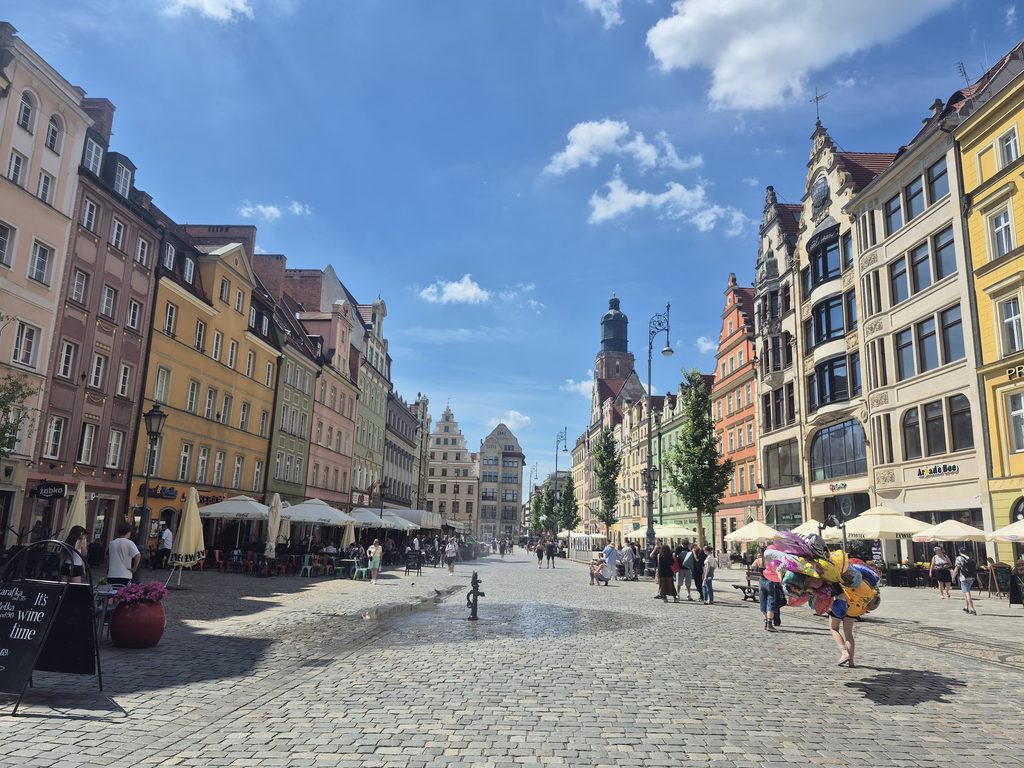
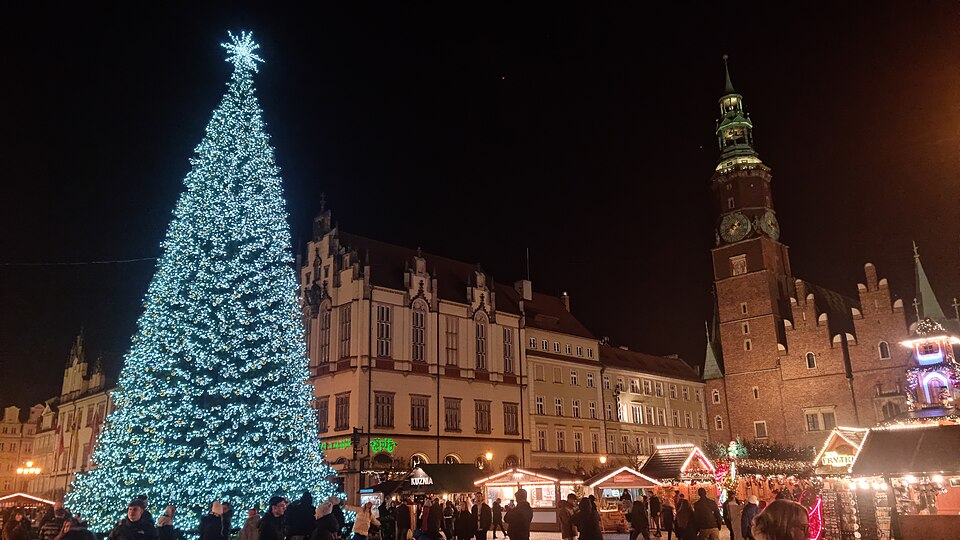
Besides, Market Square is the home of Wroclaw’s famous Christmas Market, which is open from late November to early January.
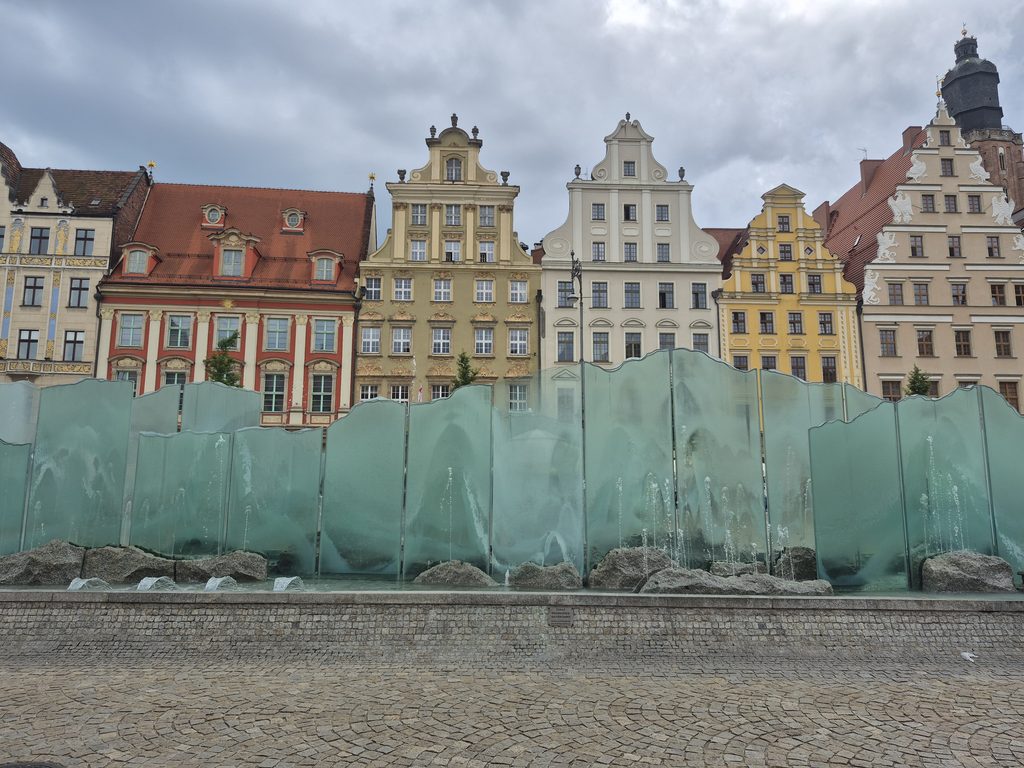
Finally, you cannot miss stunning Zdrój Fountain, which has been sitting in the central part of Market Square since 1996. It has a rectangular shape with 29 panes of glass weighing 450 kg (992 lbs) each. The fountain is also lit up at night!

Old Town Hall
Address: Sukiennice 14/15, 50-029 Wroclaw, Poland
Another head-turner at Wroclaw’s Market Square is Old Town Hall. It’s one of the most significant examples of Gothic civic architecture in Poland and was built between the late 13th and the middle of the 16th century.
Wroclaw’s city authorities worked here for hundreds of years and thankfully, Old Town Hall only suffered minor damages during World War II.

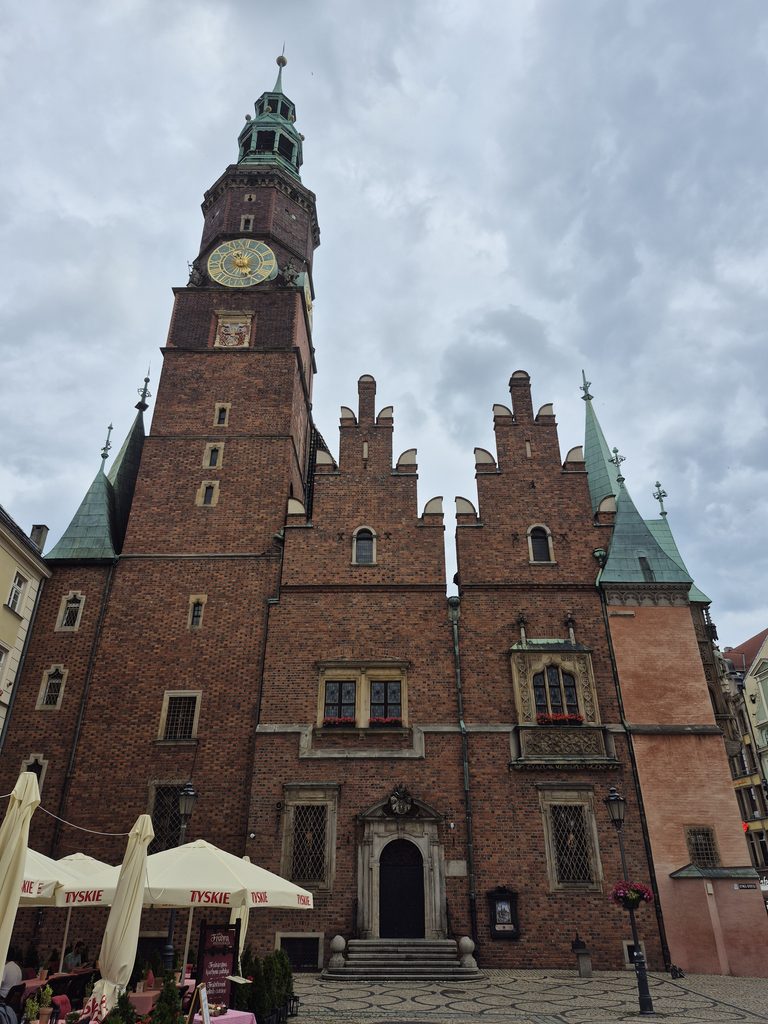
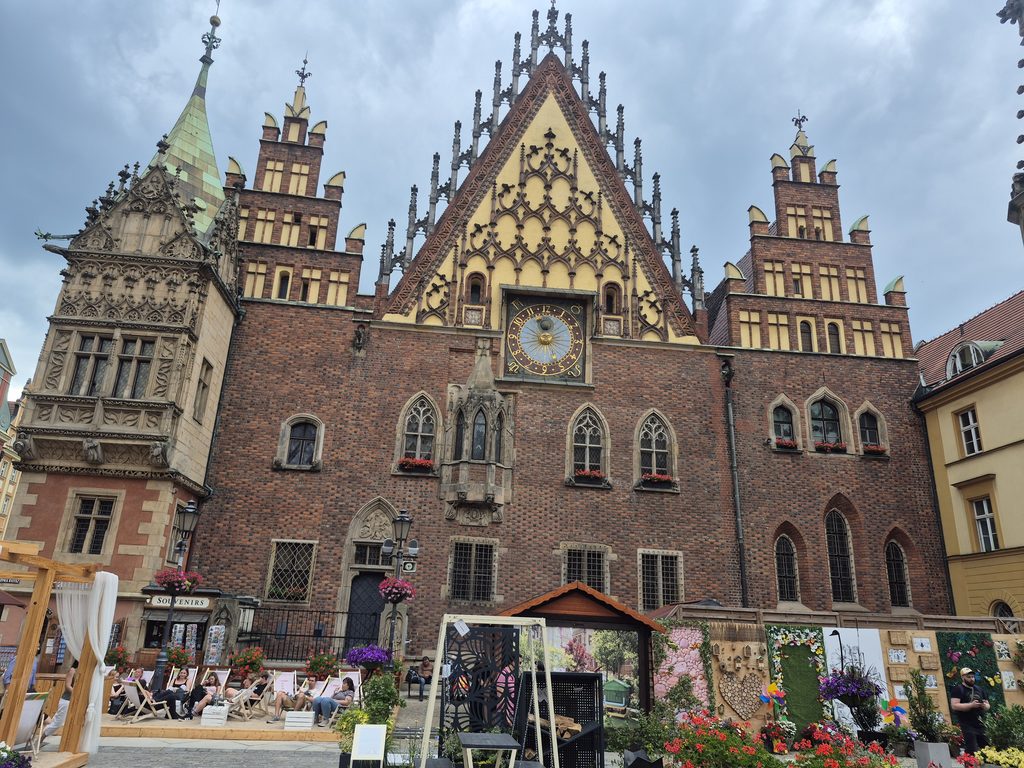
The front and back side of Wroclaw’s Old Town Hall.
Today Old Town Hall still serves the City of Wroclaw and its Great Hall is often used for civic and cultural events, such as concerts.
Besides, it houses the Museum of Bourgeois Art, which is a part of the Wroclaw City Museum. It’s perfect for people interested in Wroclaw’s history, Gothic architecture, and the city’s bourgeois heritage and craftsmanship.
Old Town Hall sits in the centre of Wroclaw’s Market Square (and is the most striking building inside the square), so no matter where you are, you’ll see it for sure!
Centennial Hall
Address: Wystawowa 1, 51-618 Wroclaw, Poland
Centennial Hall is another historic attraction in Wroclaw that was completed in 1913 as per architect Max Berg’s instructions. It has hosted concerts, sports events, exhibitions, theatrical and opera performances, and business summits since it opened.
It was also built to celebrate the 100th anniversary of the German Empire defeating Napoleon in Leipzig in 1813.
Max Berg decided to use reinforced concrete to build Centennial Hall between 1911 and 1913. Back then, this was something completely new, so other architects and engineers thought he was crazy! But Berg’s plans worked out and contributed to the start of the modern movement of architecture (modernism) of the 20th century.
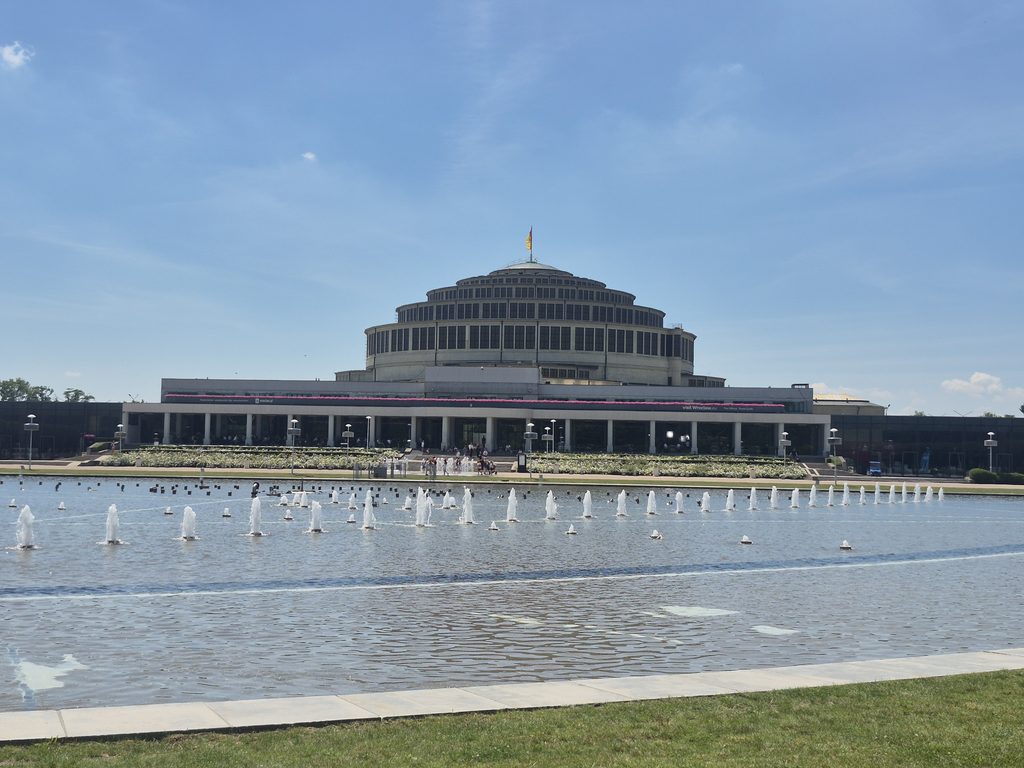
The free floating cupola sitting on top of Centennial Hall has a diameter of 65 meters (213 ft), and back then it was the largest of this kind (even surpassing the Pantheon in Rome)!
Centennial Hall itself is 42 meters (138 ft) high and can host up to 11,000 people today. The hall was also listed as a UNESCO World Heritage Site in 2006.
The Visitor Centre inside Centennial Hall hosts an interactive exhibition with touchscreens, film and sound recordings, as well as two virtual tours of the hall. You can also meet Max Berg (virtually, of course 😉 ) and climb on top of the hall for amazing views of Wroclaw!
Finally, visitors can walk around the beautiful Pergola that surrounds Centennial Hall, watch the Multimedia Fountain, or grab a bite to eat at The Terraces Restaurant or the Bistro on the left side of the hall.
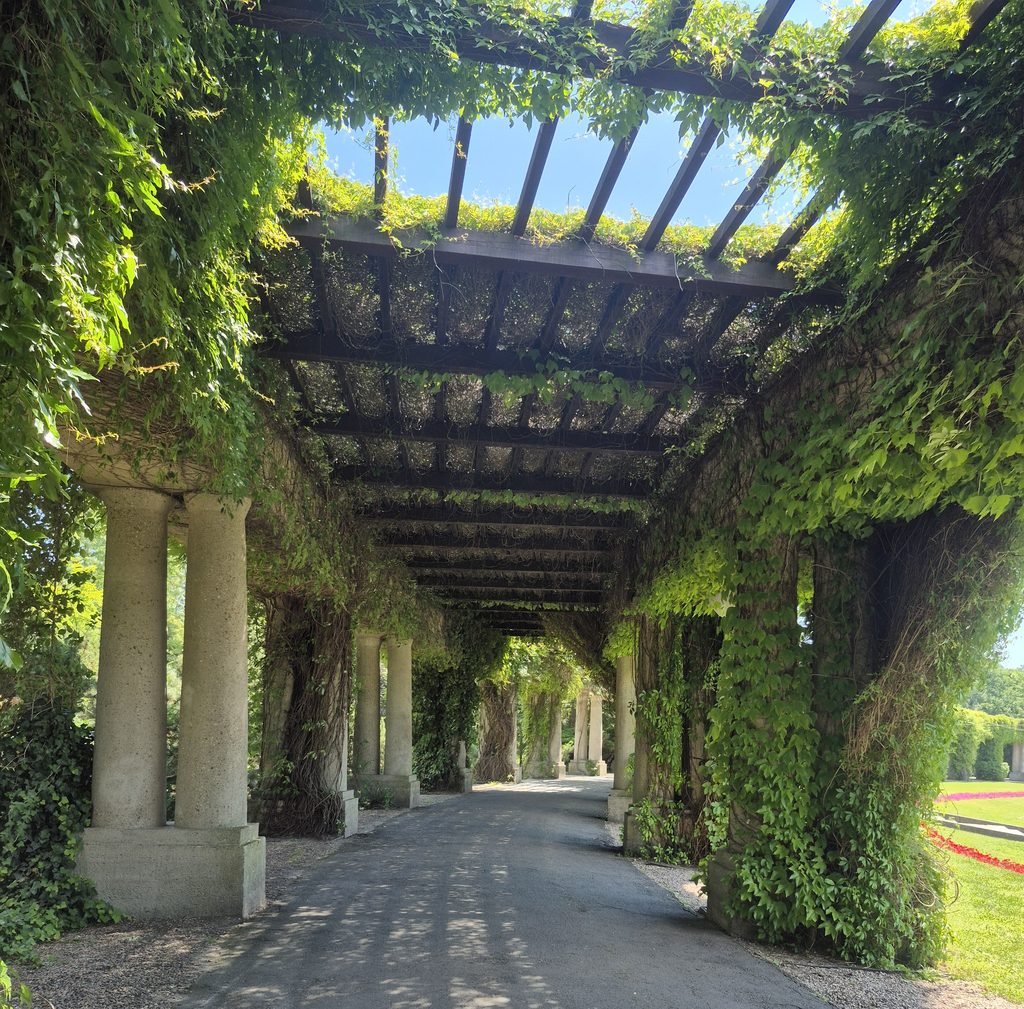
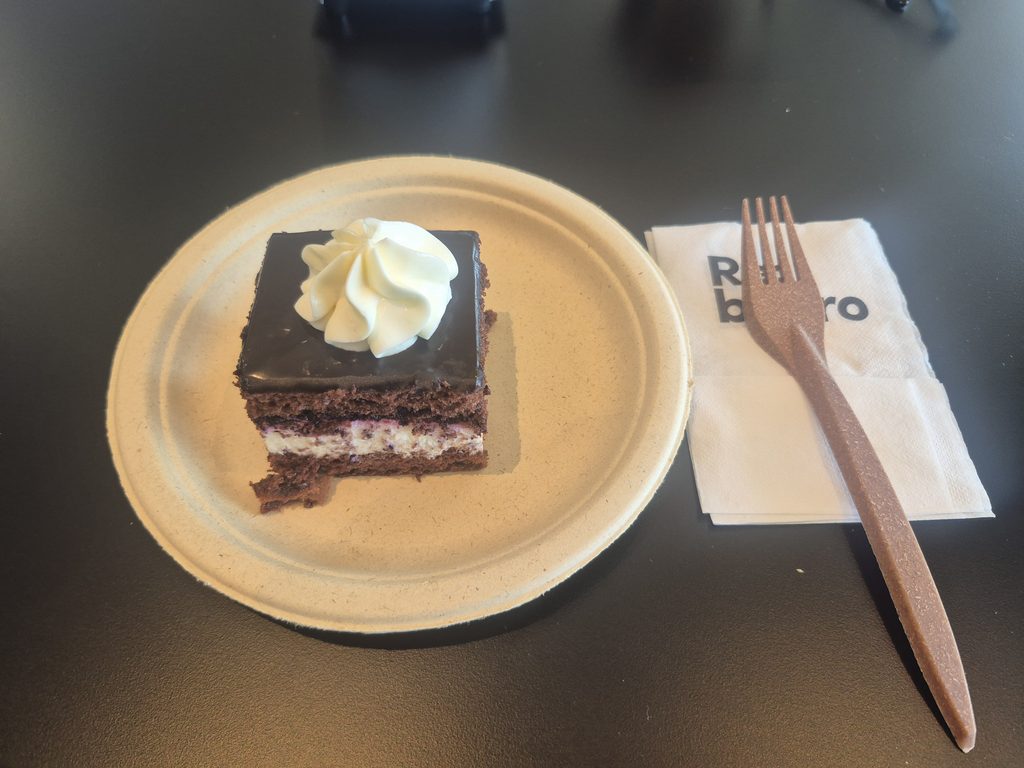
A relaxing walk around the Pergola and eating some yummy Wuzetka (Polish chocolate cream cake) at the Bistro! 😛
Japanese Garden
Address: Adama Mickiewicza 1, 51-618 Wroclaw, Poland
Just a few steps from Centennial Hall is the peaceful Japanese Garden, another must visit spot in Wroclaw.
The Japanese Garden was completed in 1913 (just in time for the Centennial Exhibition) on the initiative of Count Fritz von Hochberg, a diplomat and orientalist who was interested in Japanese culture, and Mankichi Arai, a Japanese gardener and designer.
So the garden features many elements of gardens in Japan. Examples include stone lanterns, 78 Asian plants (of which 38 only exist in Japan), beautiful arched bridges, a tea house, ponds with koi fish swimming around, streams, waterfalls, and lovely stone paths.
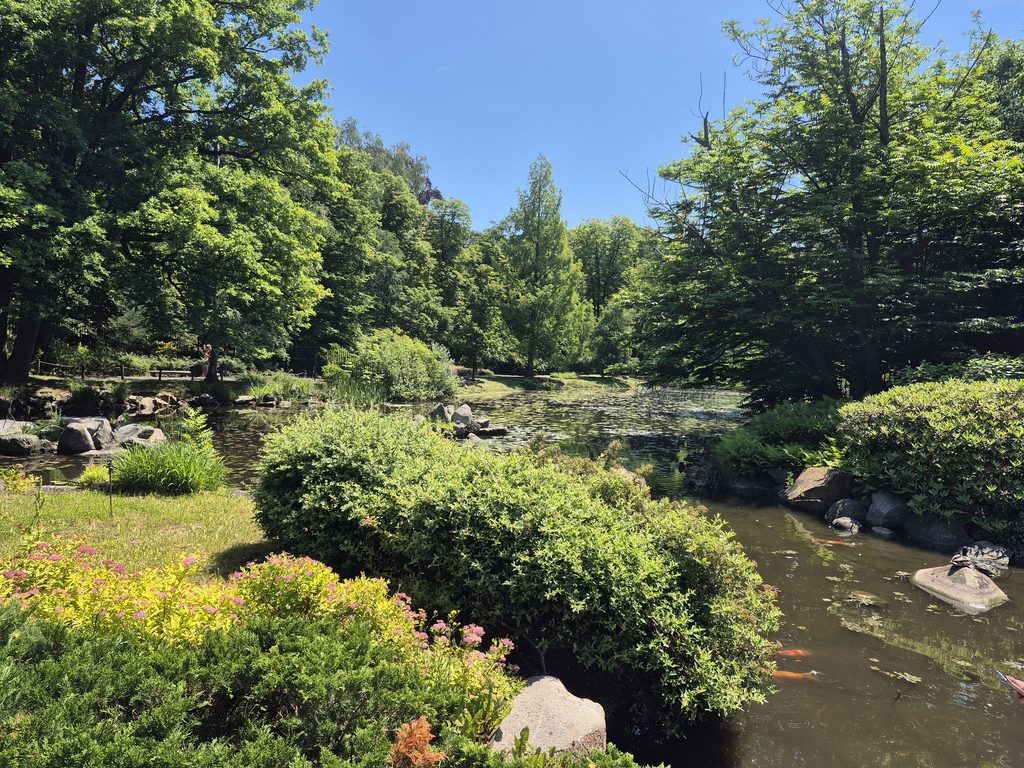
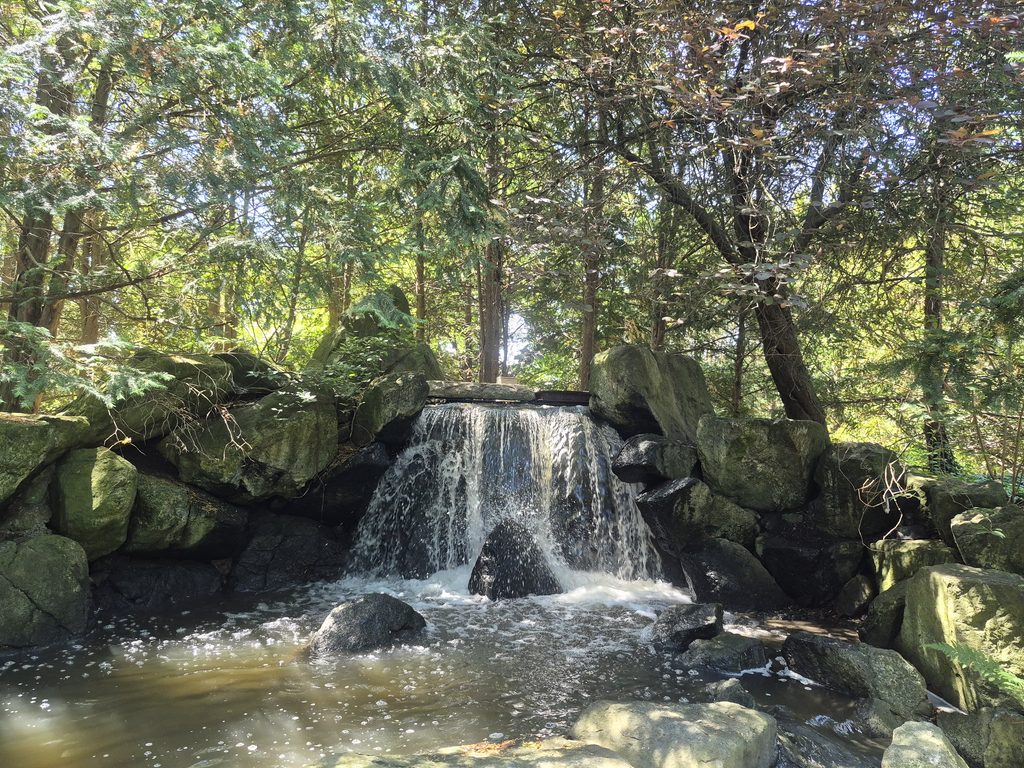
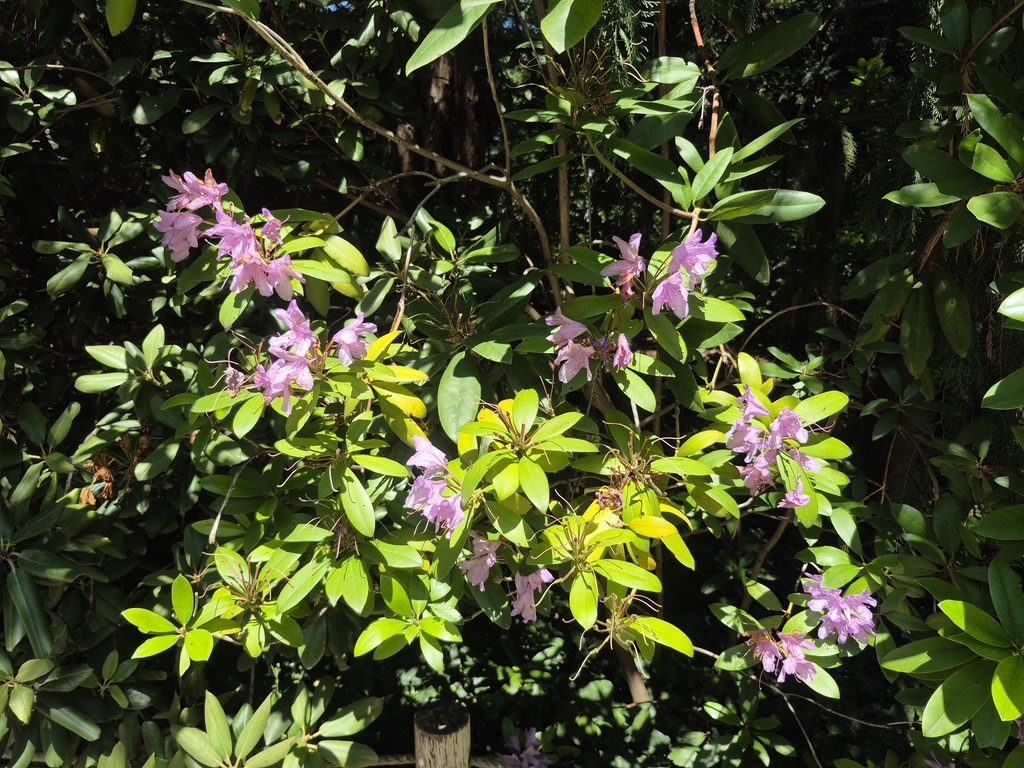
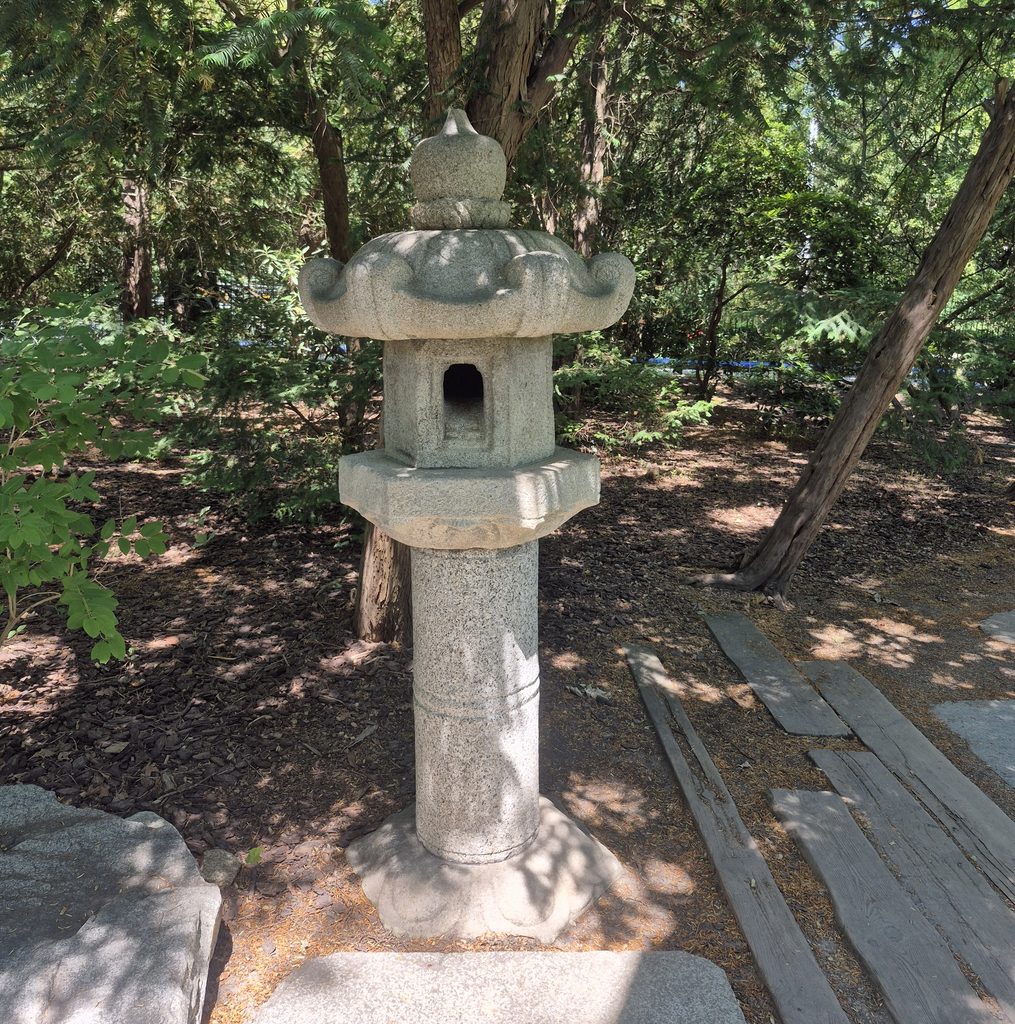
I definitely felt like being back in Japan while I was strolling around Wroclaw’s Japanese Garden! 😀
The Japanese Garden is only open seasonally from April 1 to October 31. In spring, you can enjoy blossoms, lush greenery in summer, and beautiful foliage of Japanese maple trees in the fall. Admission is 30 PLN per person and it’s usually open from 9 am to 7 pm.
Aula Leopoldina
Address: Plac Uniwersytecki 1, 50-145 Wroclaw, Poland
Aula Leopoldina was completed in 1732 and is the true highlight of the University of Wroclaw. It’s built in the Italian Baroque architectural style and is famous for its stunning altar, figural sculptures, ornaments, and frescoes on its side walls and ceilings.
Aula Leopoldina was built to honour Emperor Leopold I, who founded the university in 1702 and it’s the largest and most impressive part of the main building of the University of Wroclaw.
The side walls are decorated with portraits of rulers and important people who helped with the foundation and development of the university. There are medallions with images of famous scholars, writers, and poets who studied at the university as well.
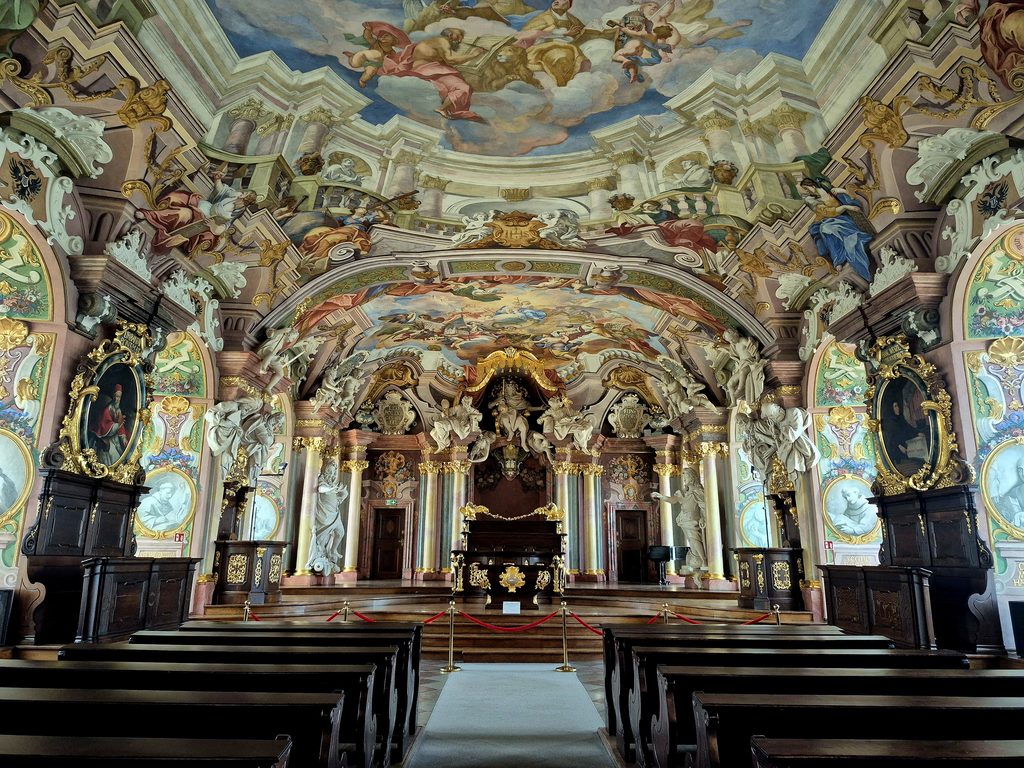
The breathtaking assembly hall was designed by Christophorus Tausch and the frescoes were created by Johann Christoph Handke of Olomouc. Besides, Franz Joseph Mangoldt made the sculptures and Ignazio Provisore was responsible for the ornaments.
Aula Leopoldina still plays a significant role in university life today, because the most important academic ceremonies (e.g. graduations) take place here.
Aula Leopoldina is open daily (except Wednesdays, public holidays, and during academic ceremonies) from 10 am to 5 pm (6 pm on Saturdays & Sundays) from May-September. It closes at 4 pm from October-April. Admission is 28 PLN.
Look for Wroclaw’s Dwarfs
While meandering around Wroclaw, you’ll stumble upon some of its many little dwarfs sooner or later! These cute fairytale creatures made out of bronze are one of the most iconic symbols of Wroclaw City. But why are they here?
Well, back in the 1980’s, the Orange Alternative movement wasn’t happy with Poland’s communist regime, so they sprayed anti-communist graffiti on Wroclaw’s walls. But the government didn’t like this, so the graffiti was quickly painted over. In 1982, the movement decided to paint dwarf graffiti on top of the original ones to show their dissatisfaction.
With time, orange became the colour of protest against communism and people started wearing orange dwarf-like hats at demonstrations. So soon it was clear that the “Dwarf Uprise of Wroclaw” was a silent but obvious protest against the communist regime.
But the first dwarf statue was only put up in 2001 at Swidnicka Street. It was called Papa Krasnal (Papa Dwarf) and it’s supposed to be a commemorative figure of these protests. Soon after, more and more dwarfs were built all over Wroclaw.
Today more than 1,000 of these figures stand in Wroclaw and new ones are still added every year! They all look different, e.g. there’s a dwarf orchestra, prison dwarf, selfie dwarf, and a computer dwarf! Many can be found by Market Square and Swidnicka Street and feel free to grab the Wroclaw Dwarf Map at the Tourist Information at Market Square as well!
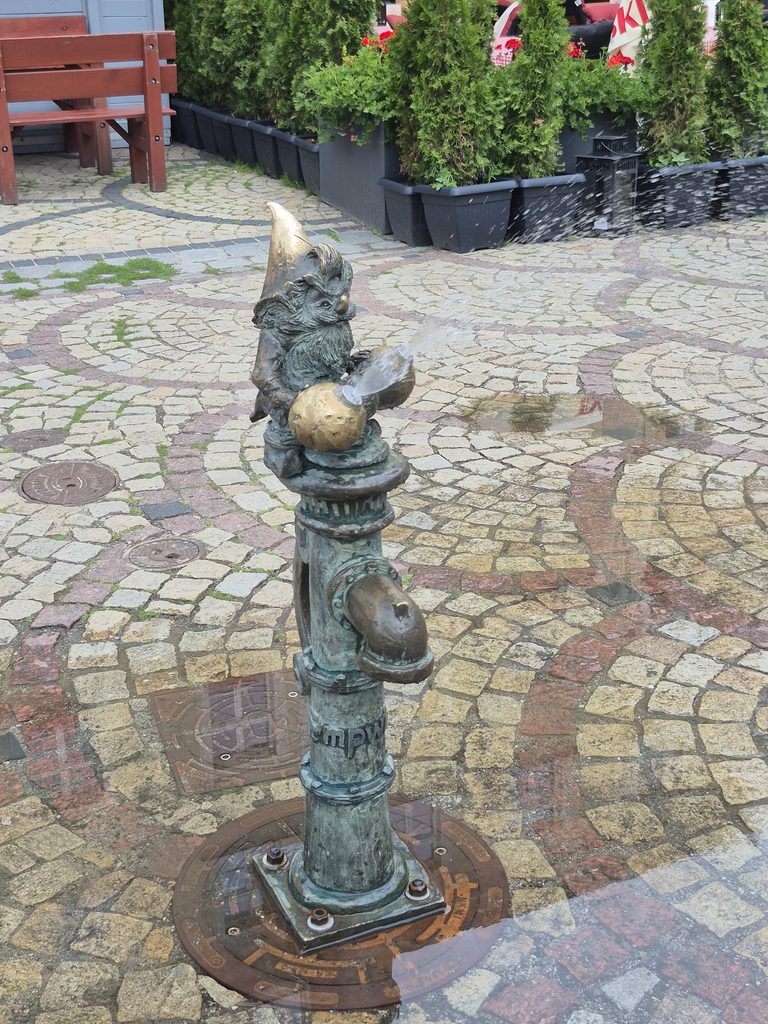
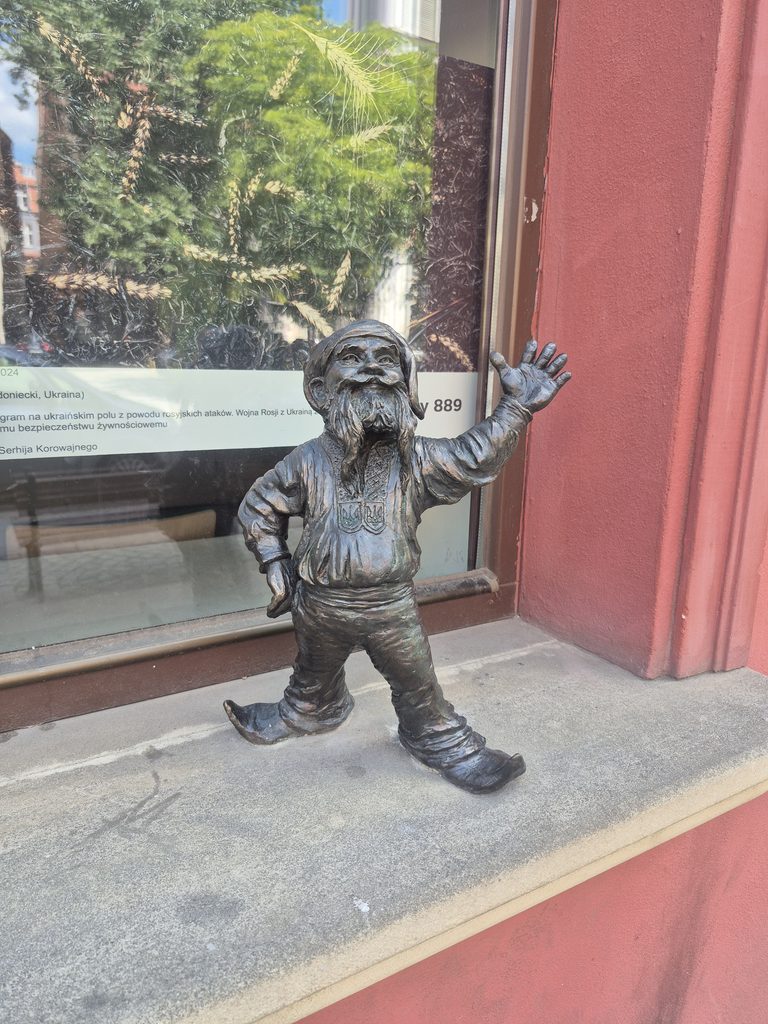
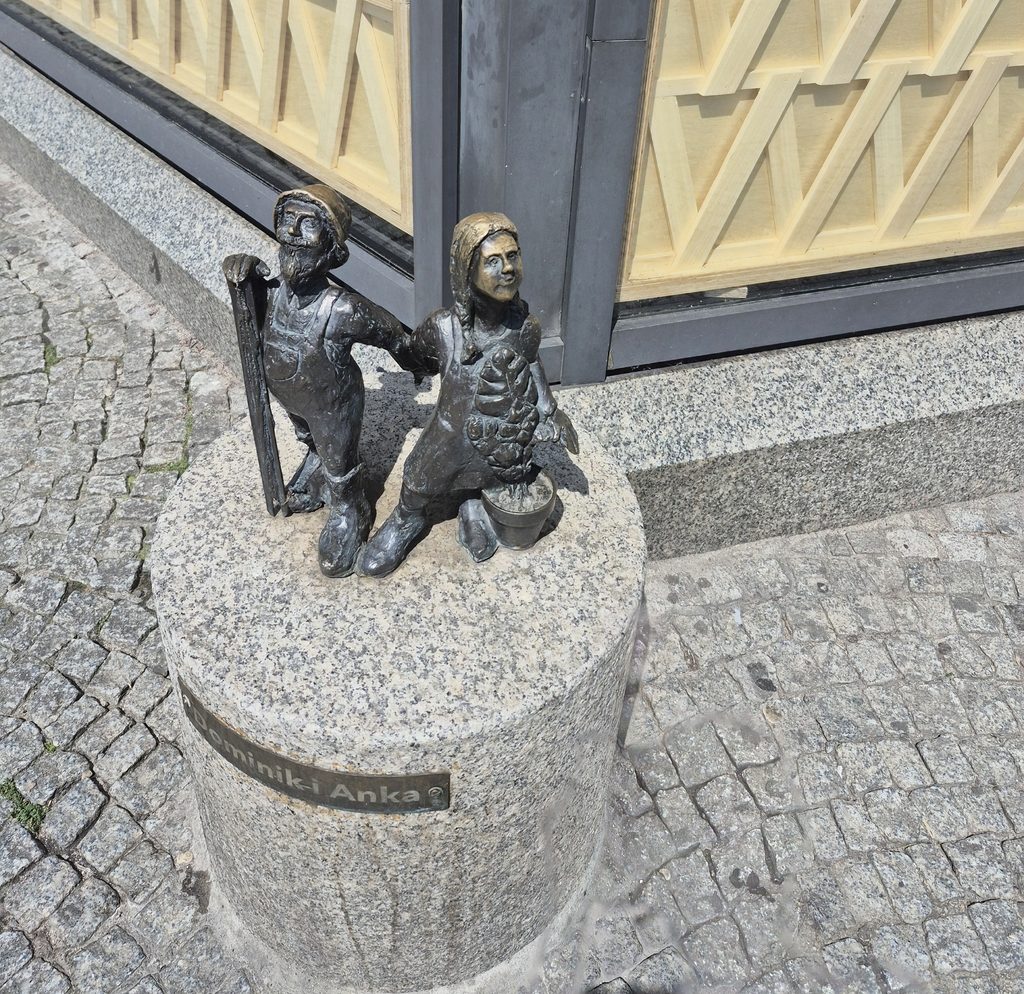
Finally, Wroclaw is proud to host the annual Dwarf Festival in mid-September at Market Square and Old Town Park. There’s a grand parade, competitions, theatrical performances, and performance readings.
Bridge of Penitents
Address: Szewska 10, 50-122 Wroclaw, Poland
If you feel like a short workout during your time in Wroclaw, you cannot skip the Bridge of Penitents (aka the Witches’ Bridge). This stone walkway dates back to the 15th century and connects the two towers of St. Mary Magdalene Church. It’s about 45 meters (147 feet) high.
You get to the Bridge of Penitents by climbing up 247 stairs inside one of the church towers – but don’t worry, there are benches to rest along the way! Once to get to the top, you’re rewarded with one of the best views of Wroclaw’s Old Town.
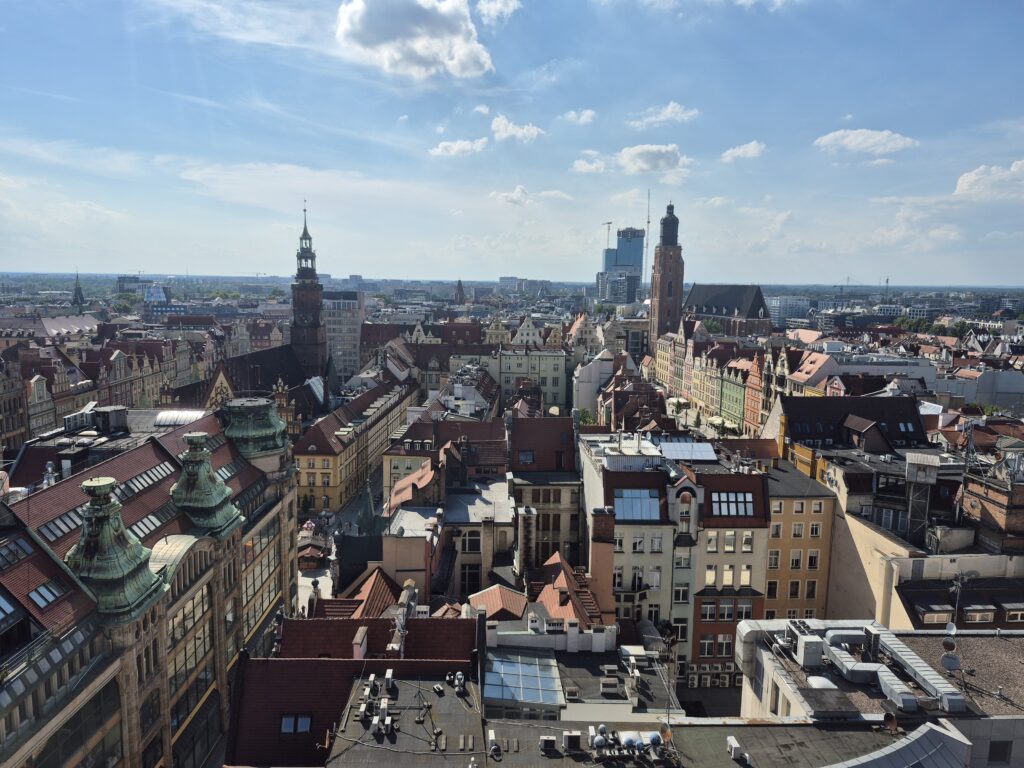
According to legend, a young woman named Tekla living in Wroclaw was beautiful, but very vain and lazy, nor interested in marriage. After many years, her father had enough and cursed Tekla, and she was kidnapped and taken to Penitent Bridge the next day. As a punishment, she was forced to sweep the bridge until the end of her life.
Sadly, nobody could hear Tekla’s cries for help from the bridge for years. But when she was too old and weak to sweep the bridge, she got the help of a young and kind witch called Martynka. Martynka was worried about Tekla, so one day, she secretly used Tekla’s broom to fly down to Wroclaw’s Market Square to ask for help.
Here Martynka met Michal the Wizard, who’d lost his glasses and his wand. Martynka found Michal’s wand quickly and he granted her one wish. She wished for Tekla to be free, which Michal was happy to fulfill. But before Martynka got back to Penitent Bridge, Tekla was already gone.
Today two dwarves looking like Tekla and Martynka stand on Penitent Bridge to remember them.
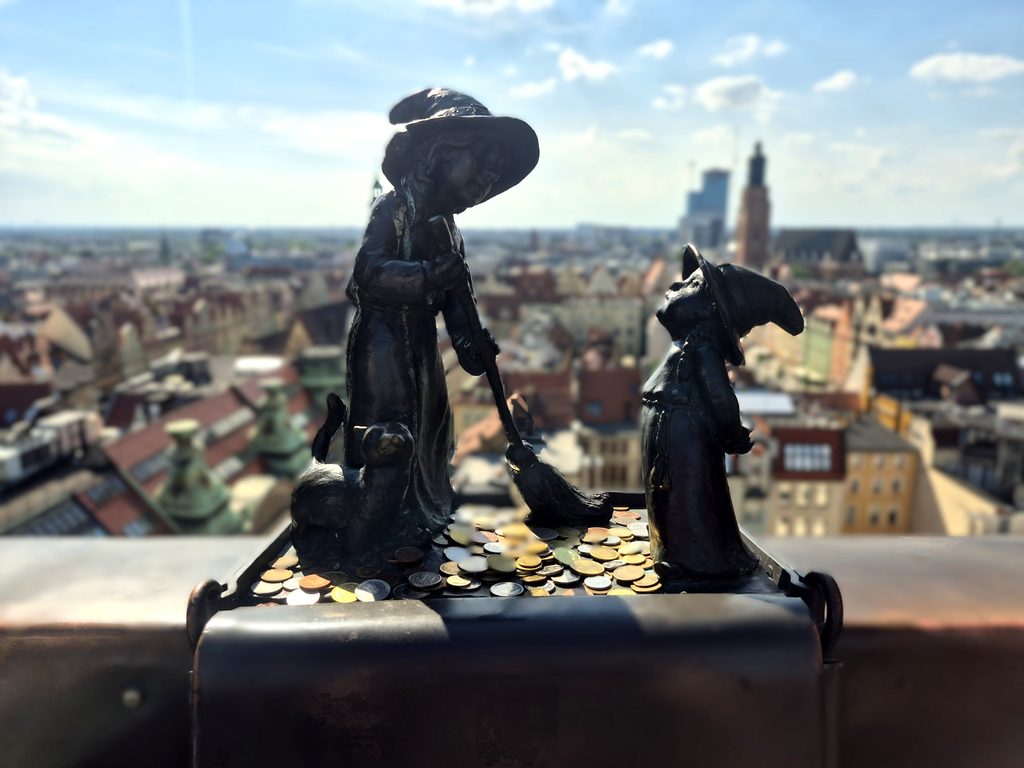
The Bridge of Penitents is open daily from 10 am to 8 pm (6 pm from November to March) and admission is 18 PLN.
Museum of Games & Computers of the Past
Address: Plac Orlat Lwowskich 20A, 53-605 Wroclaw, Poland
If you’re into video games, arcade games, and retro computers from the 1970’s to the early 2000’s, you’re in for a treat at the Museum of Games & Computers of the Past!
The museum opened in 2017 (as the first museum of this kind in Poland) and is an initiative of four gamers who love to share the nostalgic feeling of playing retro games from around the world.
You can look at many old computers (e.g. Apple II from 1977), video game consoles (e.g. Gameboy, Nintendo 64, SNES, Sega Master System, and Atari 2600), arcade machines (e.g. Asteroids Deluxe) but also other retro stuff (like VHS and music cassettes!).
But the best part is that you’re welcome to play games on nearly 50 stations (consoles, computers, and arcade machines). Examples include Space Pinball, Pac-Man, Mario Kart 64, Super Mario World, Atari Pong, and many more!
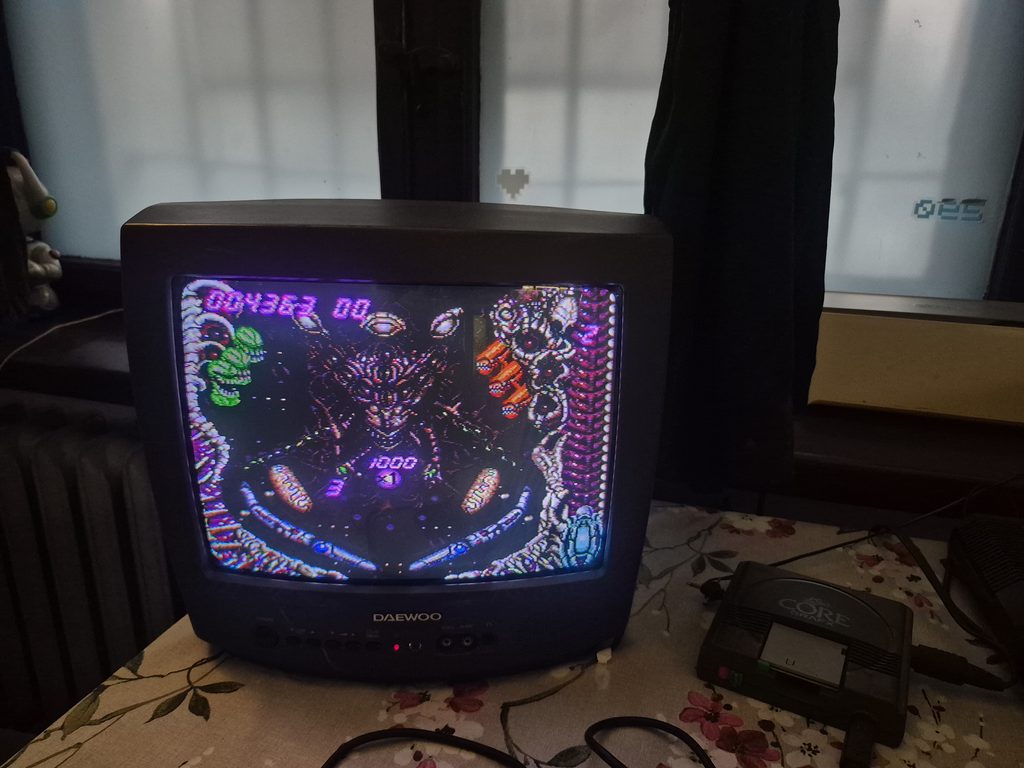
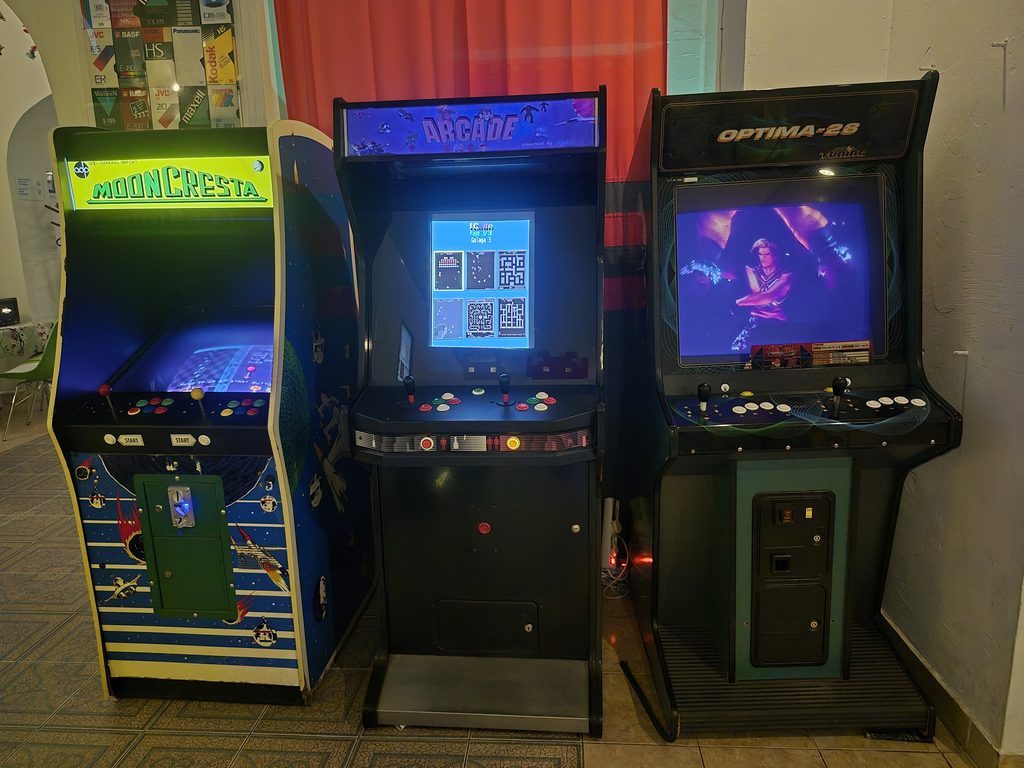
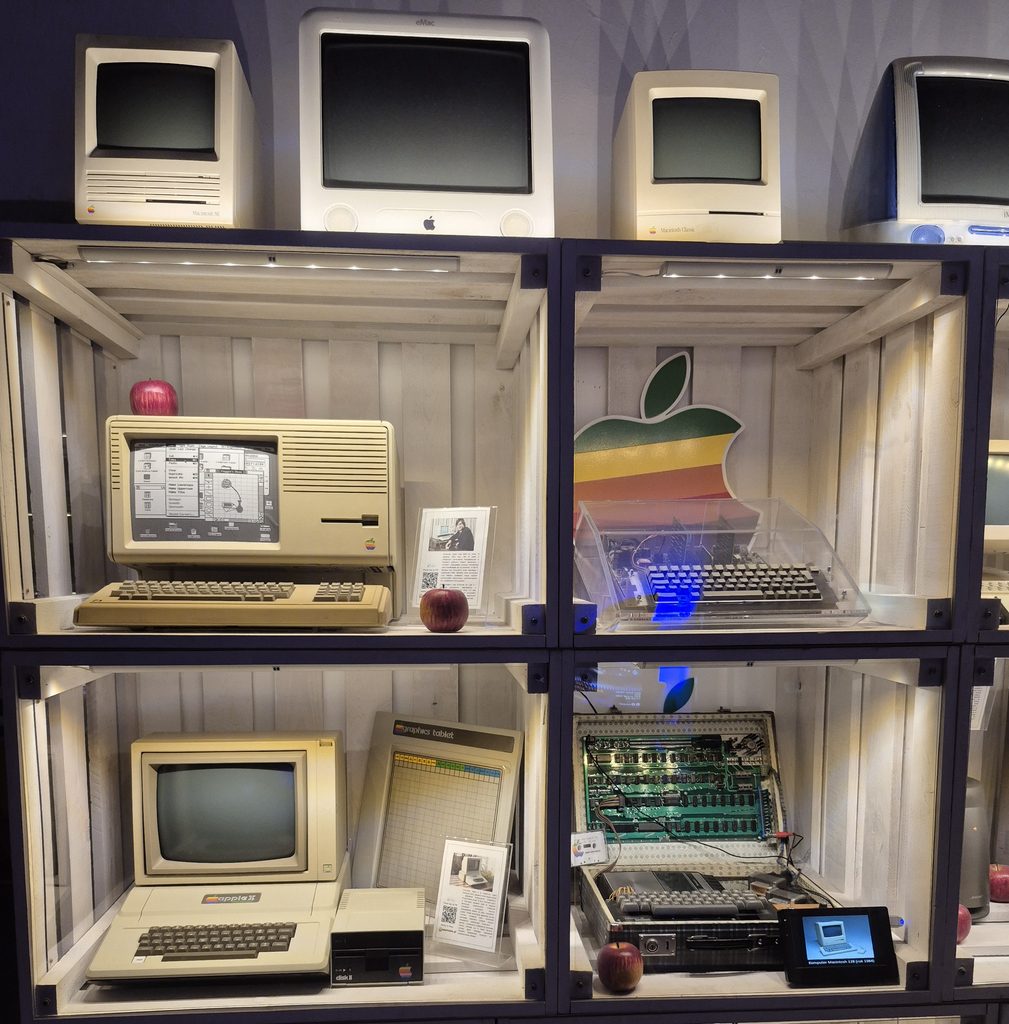
The Museum of Games & Computers of the Past is open Tuesday-Sunday from 10 am to 6 pm (8 pm on Saturdays) and visitors are admitted at even hours. The visit time is 1 hour 45 minutes and the number of visitors is limited, so everyone has a chance to try out the games.
Visitors are encouraged to buy tickets in advance through their website. Tickets are 40 PLN (30 PLN for guests under 18 years).
So whether you’d like to travel back in time with the help of the games or show them to your kids, you’ll surely have a blast at the Museum of Games & Computers of the Past! 😀
Grunwald Bridge
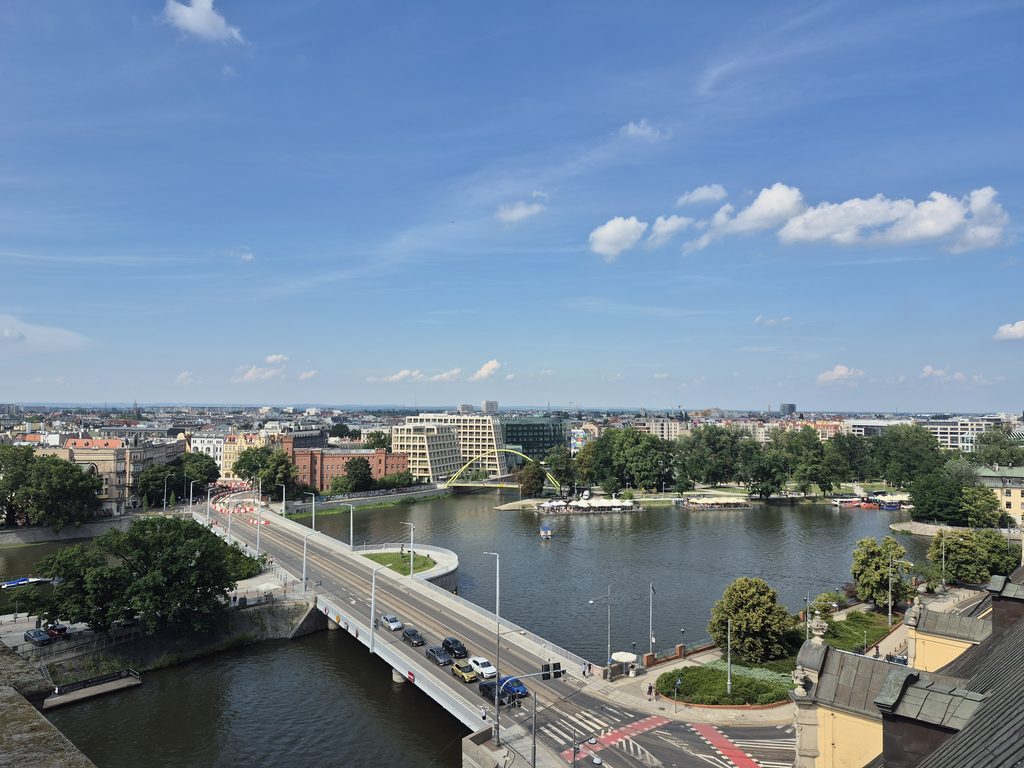
Grunwald Bridge is a scenic suspension bridge that crosses the Oder river and connects Wroclaw’s city centre with the eastern districts of the city. It’s most recognizable by its two big towers supporting steel cables from where the roadway is suspended.
Grunwald Bridge was completed in 1910 when the city was under German rule and known as Breslau. Its original name is Kaiserbrücke (Emperor’s Bridge) and it was renamed after World War II to remember the Battle of Grunwald in 1410 between Poland and Lithuania.

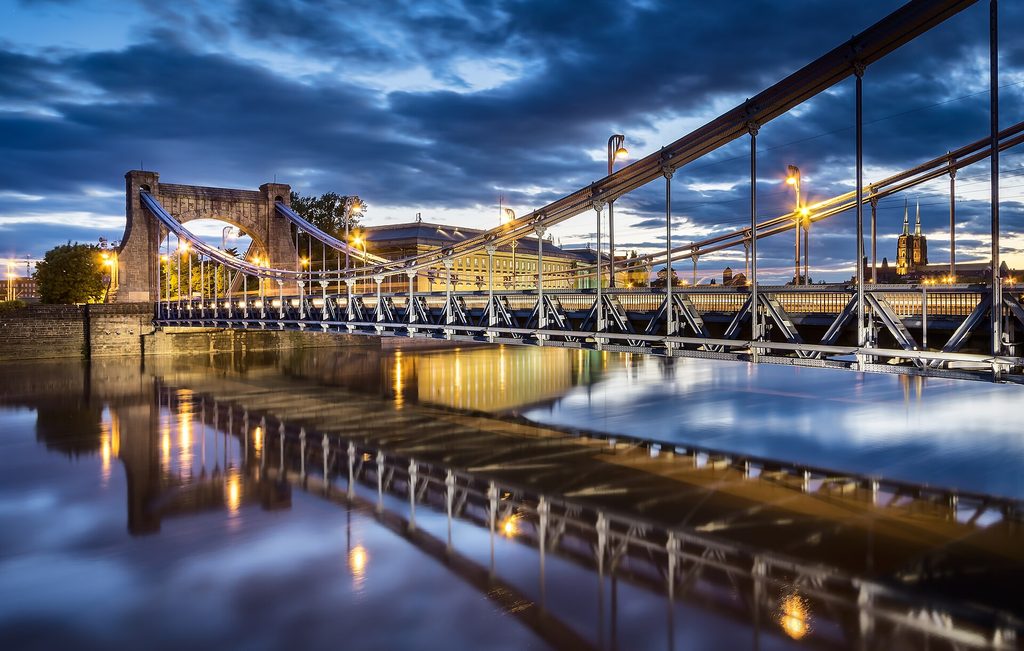
Today Grunwald Bridge is one of the most important transport ways in Wroclaw and is used by cars, cyclists, trams, and pedestrians every day. Besides, the bridge is known as one of the best examples of early 20th-century engineering in Poland.
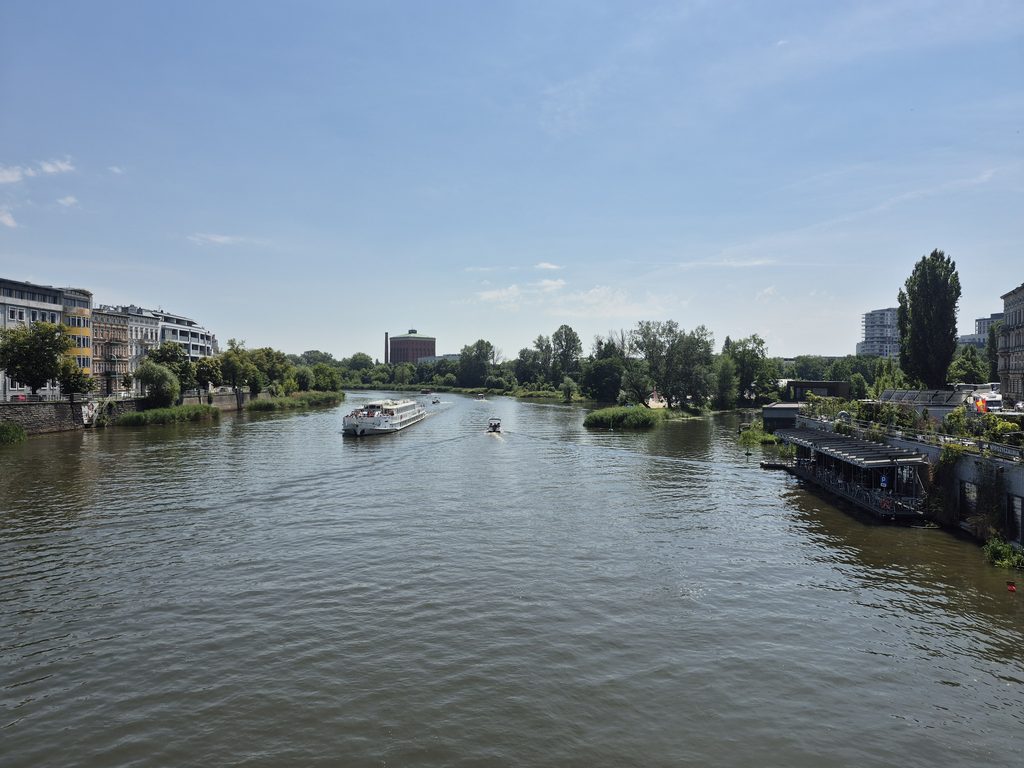
Finally, Grunwald Bridge offers amazing views of the Oder riverbanks as well!
Bonus tip: Rat Statue at SWPS University
Address: Aleksandra Ostrowskiego 30B, 53-238 Wroclaw, Poland
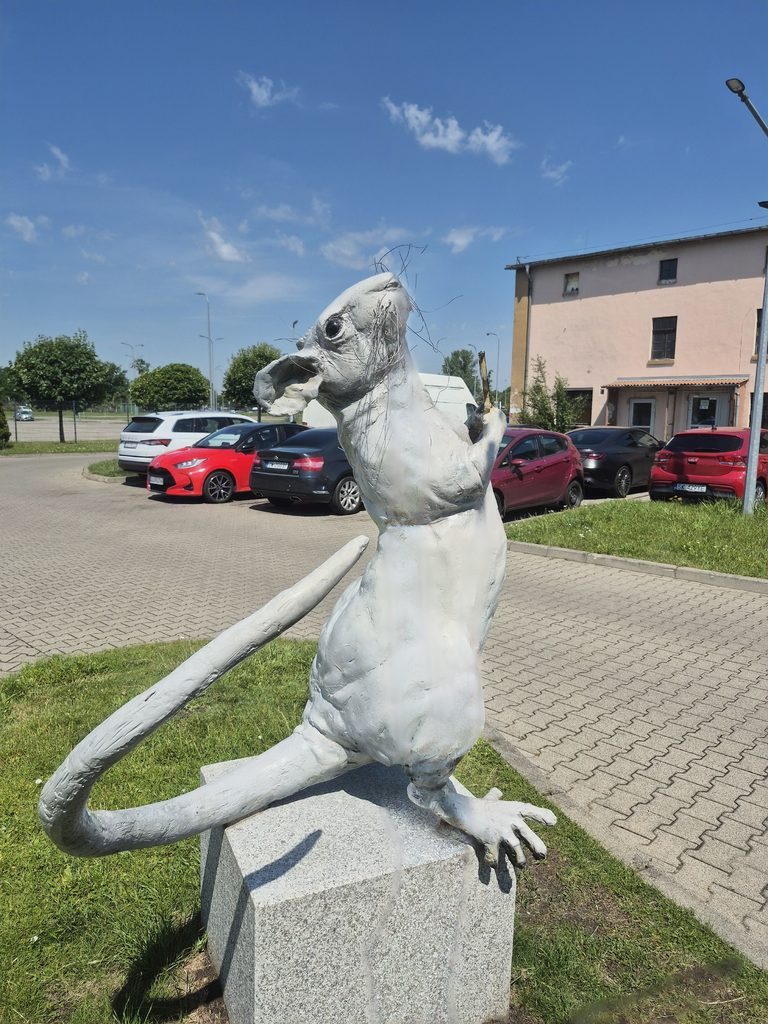
Last but not least, if you love rats like me, I highly recommend checking out the Rat Statue at SWPS University of Social Sciences and Humanities!
This giant rat monument stands inside the parking lot of SWPS University and was set up during the opening ceremony of the 2025/26 academic year.
It’s supposed to honour all laboratory animals that are used for scientific purposes. As per one of the originators of the rat statue, they care about ethical principles in science. In general, I hope that animal testing will be a thing of the past soon! <3
Where to Stay in Wroclaw
If you’re visiting Wroclaw on a budget, I recommend staying at FOKA Hostel.
Like any hostel, they offer dorms and private/family rooms and there’s a nice terrace and kitchen area as well. While there’s no breakfast, guests can buy something at Zabka (Poland’s most famous convenience store) across the street and eat in the kitchen area.
The beds are comfy and everything was very clean, with friendly staff, and it’s only a 20-minute walk to the city centre. So I’d definitely stay at FOKA Hostel again in the future!
Where to Eat & Drink in Wroclaw
Similar to other big cities, Wroclaw has a great selection of restaurants for any taste and budget. Here are my favourites:
VEGA Vegan Bar
Address: Sukiennice 1/2, 50-107 Wroclaw, Poland
If you’re craving vegan food while wandering around Wroclaw’s Market Square, I recommend eating a meal at VEGA Vegan Bar!
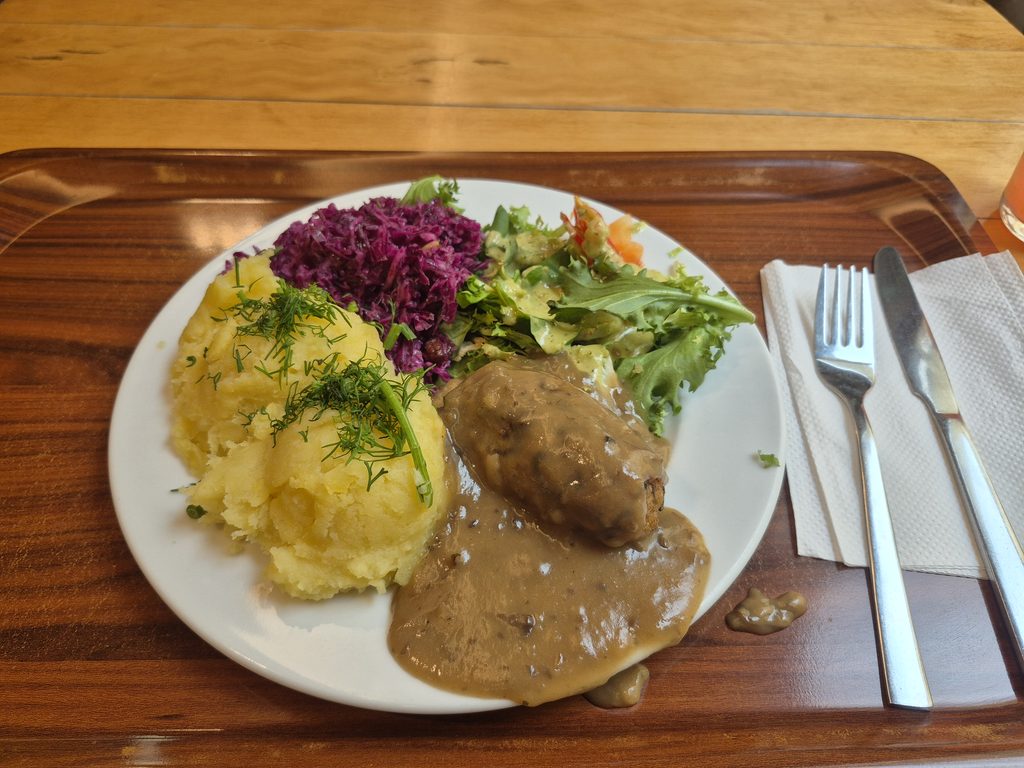
Their 100% vegan menu features local and international dishes, like Ukrainian borscht soup, vegan cutlet, samosas, burgers, cabbage rolls, Silesian dumplings, enchiladas, and barley rouladen with mashed potatoes and salad.
I tried the latter, and wow, it was the best meal I had in Wroclaw!
CUDO Sushi Restaurant
Address: Jodlowa 4, 50-140 Wroclaw, Poland
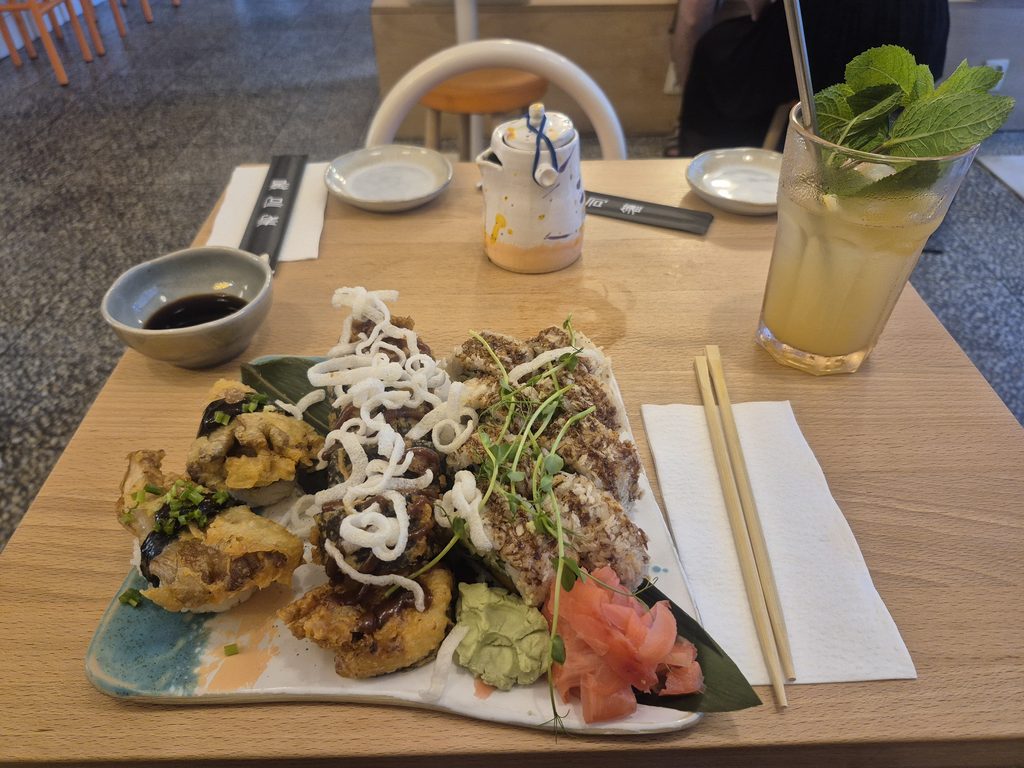
CUDO is a trendy vegan restaurant inside Wroclaw’s historic University district. Customers can choose between a great selection of sushi rolls, including Fukomaki, Uramaki, Hosimaki, and Nigiri.
But they also have Tteokboki (Korean noodles) and Mexican fries on their menu!
I tried the Dan Dan Tempura Futomaki, Crunch Avo Uramaki, and Vegan Oyster Nigiri. While some of the ingredients and flavours were different than in other sushi restaurants, everything was really yummy! 😛
Pha Tha Thai Restaurant
Address: Wiezienna 5, 50-120 Wroclaw, Poland
If you feel like Thai food on your visit to Wroclaw, check out Pha Tha Thai Restaurant. Their menu features many traditional Thai dishes, e.g. Pad Thai, Thai curries, Tom Yum soup, Pad Kra Pao, and Mango Sticky Rice!
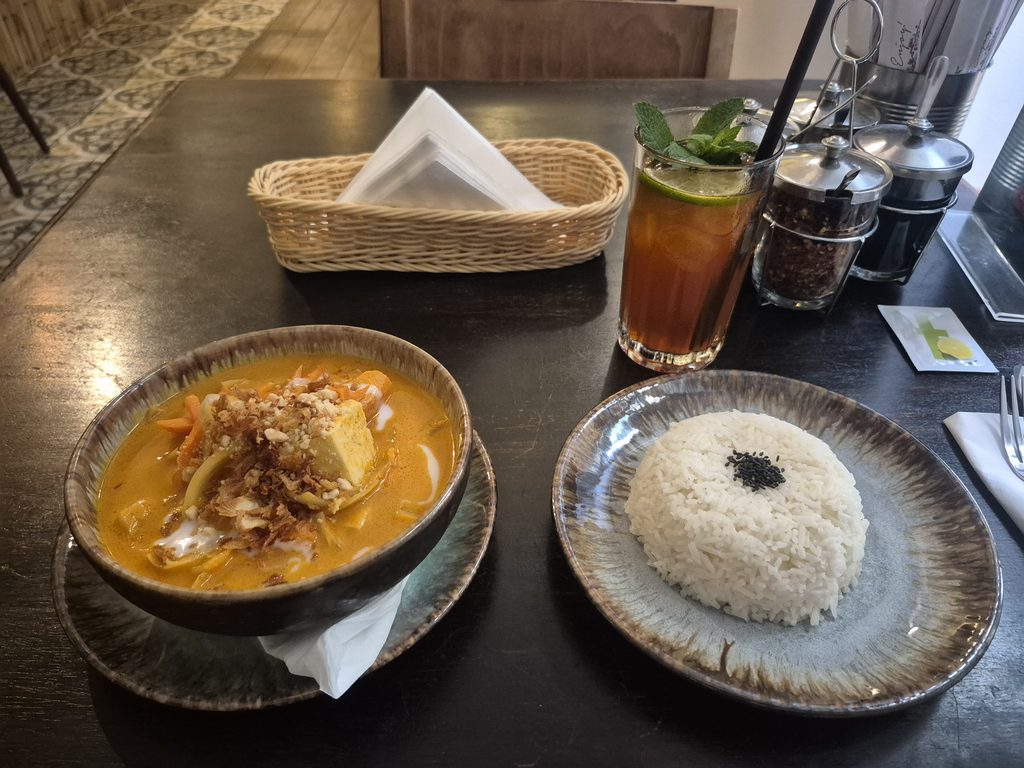
I had their Masaman Curry with rice and tofu, it was just as it should be: creamy, peanutty, and lightly spicy. I also liked the laid-back and friendly vibe of this restaurant and customers can sit inside or outside for their meal.
Bonus tip: Piwnica Swidnicka Restaurant & Brewery
Address: Rynek Ratusz 1A, 50-106 Wroclaw, Poland
Finally, if you prefer traditional Polish cuisine (and beer!), I suggest eating at Piwnica Swidnicka Restaurant & Brewery inside the medieval Gothic basement of Wroclaw’s Old Town Hall. It first opened in 1273, which makes it Europe’s oldest restaurant.
They are proud to use regional products and refined flavours for traditional dishes, but with a modern twist. Their menu features chicken breast, Silesian dumplings, veal schnitzel, Salmon trout from Pomerania, dumplings with goose, and so much more!
While I didn’t eat at Piwnica Swidnicka Restaurant & Brewery, my family ate here during their visits to Wroclaw and they couldn’t stop raving about all the yummy traditional Polish food!
The Best Time to Visit Wroclaw
Wroclaw is a great city to visit year-round, depending on what you’re looking for.
Peak tourist season is in July and August and as Poland’s hottest city, temperatures can climb quite high in Wroclaw (like 40 C/104 F or more). But this is when most festivals and concerts happen, and just bring sun protection and lots of water with you!
Many people come here during late November and early January for Wroclaw’s famous Christmas Market as well. Visitors can try regional and international foods, drink mulled wine, buy handmade gifts, and admire the huge Christmas tree at Market Square.

If you like pleasant weather, but less tourists, it’s a good idea to visit Wroclaw in the spring (March-June) and fall (September-October). Wroclaw’s parks and gardens start blooming in the spring and there are tons of outdoor activities to choose from in both the spring and fall season.
Winter can get quite cold in Wroclaw, but this is when visitor numbers and accommodation prices are at their lowest. Besides, it’s the perfect time for indoor activities (like museums, food tours, and craft beer experiences).
Is Wroclaw a safe City to visit?
Yes, overall, like the rest of Poland, Wroclaw is safe to visit for tourists thanks to its low crime rate and welcoming student energy.
Streets are well-lit during the day and night, and unlike bigger cities in Europe, I never worried about getting scammed or mugged in Wroclaw.
Still, it’s important to use common sense (especially at night), like watching your drink, not walking home alone when intoxicated, and being cautious in crowded areas, like Market Square, although petty theft is also rare in Wroclaw.
How to Get to and around Wroclaw with Public Transit
Wroclaw is very easy to get to and around, no matter what kind of public transit you prefer.
Wroclaw Glówny (central station) is easily reachable by train from other cities in Poland or its neighbouring countries, like Czech Republic and Germany. Besides, Flixbus goes to Wroclaw from Dresden and Berlin, Germany, and Krakow and Warsaw many times per day.
Wroclaw Airport is about 12 km (7.4 mi) away from the city center and many flights from European cities go here. Examples include Zurich, Frankfurt, London, Amsterdam, Oslo, Pisa, and Seville.
Once you arrive in Wroclaw, it’s easy to get around with public transit as well. Visitors are welcome to use Wroclaw’s efficient trams (which go to most tourist attractions) and local buses (which go to the airport and less touristy areas not served by trams).
Transit tickets can be bought onboard (contactless with credit or debit card), at ticket machines from major stations, Zabka and other kiosk stores, and transit apps. The tickets are valid for both buses and trams and if you’re taking these a lot, I recommend buying a 24-hour ticket for 15 PLN.
Trams and buses in Wroclaw usually run from 4:30 am to midnight and night buses cover late hours. Stops are clearly mentioned on the trip as well.
Final Thoughts: Is Wroclaw, Poland worth a Visit in 2026?
Yes, totally, Wroclaw, Poland is Worth a Visit in 2026! Whether you like history, cute dwarf and rat statues, peaceful Japanese gardens, retro video and computer games, tasty foods from around the world, beautiful Christmas Markets, or shopping, Wroclaw has it all.
Another thing worth mentioning are the welcoming locals (who all spoke great English) and Wroclaw is quite cheap compared to other cities in Europe, and (solo) travelers should feel safe here, too. Besides, it’s easy to reach and get around Wroclaw with public transit.
So whether you visit Wroclaw as a solo traveler, as a couple or friend group, or with family, there’s something for everyone in Poland’s third largest city.
So while Warsaw and Krakow are worth visiting, I highly recommend adding Wroclaw to your Poland itinerary as well. You won’t regret it! 😉
Until next time, Happy Travels 😀


Writing and traveling have been my passions for 25+ years, so I launched this travel blog in May 2020. I love writing travel guides about amazing destinations and I'm passionate about music tourism and animal-friendly and sustainable travel.
So far, I've been to 20 countries on five continents, and Japan and Iceland were my favourites!
- IS WROCLAW, POLAND WORTH A VISIT IN 2026? - September 6, 2026
- A FIRST-TIME VISITOR’S GUIDE TO VICTORIA, BC: THE 18 BEST THINGS TO DO - May 31, 2026
- THE 6 BEST THINGS TO DO IN BEPPU IN ONE DAY - April 29, 2026