
ONE DAY IN NAPIER: THE 10 BEST THINGS TO DO IN THE ART DECO CAPITAL OF NEW ZEALAND

Napier is a scenic coastal city within the Hawke’s Bay region on the east side of New Zealand’s North Island. While Maori peoples have lived in this area since the 12th century, Captain James Cook and his crew were the first Europeans who arrived here in 1769.

In 1931, a 7.8 magnitude earthquake shook the Hawke’s Bay region for three minutes and killed nearly 260 people. Besides, Napier’s commercial centre was mostly destroyed, but fortunately, rebuilding of this district started right away.

The new buildings represented the popular architectural styles of this era: Art Deco, Stripped Classical, and Spanish Mission. Today Napier City is often called the Art Deco Capital of New Zealand and some people also compare it to a 1930’s film set!

Every February, visitors flock to Napier for the Art Deco Festival, which features classic cars, jazz performances, vintage planes, and more! This year, the festival goes from February 19 to 22.

But this charming city is also known for beaches and scenic ocean views, trendy restaurants, bars, and cafés, beautiful parks, shopping, and fine wineries. Finally, Hawke’s Bay is one of the sunniest regions in New Zealand.

That’s why I decided to spend One Day in Napier on my New Zealand trip in May/June 2025. In this post, I’m going to list the 10 Best Things to do in this unique coastal city and why it should be on your New Zealand bucket list. So stay tuned 😀

Disclosure: I only recommend products that I’ve used in the past, and all opinions expressed in this post are my own. This post contains affiliate links. If you use one of the links throughout the page to buy something, I may earn a small commission at no extra cost to you. Thank you!

The 10 Best Things to See and Do in Napier

The Art Deco Walk

While wandering around Napier’s city centre, I couldn’t take my eyes off the many Art Deco style buildings. Each one looks different and the warm pastel colours create a positive vibe around this district!

In fact, I read that the colourful Art Deco buildings were supposed to symbolize the resident’s resilience and motivation to look positively into the future after the tragic earthquake.

Many of these cool Art Deco buildings are scattered around Tennyson Street, Hastings Street, and Emerson Street. Examples are the Masonic Hotel, Angkor Wat Kiwi Bakery & Café, and Tennyson Gallery.

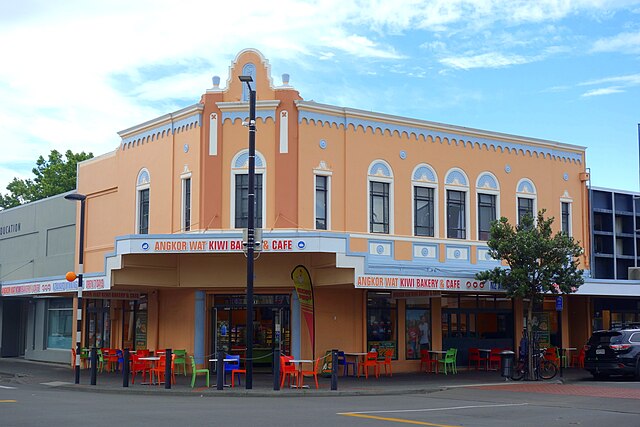
Just a few of the amazing Art Deco buildings in Napier. Photo #2 is credit of Daderot on Wikimedia Commons.

Visitors can take a self-guided tour or book a Guided Tour offered by the Napier Art Deco Trust (from NZ$ 33 per person). It starts with a short film about the devastating earthquake in 1931. Then an expert guide tells you about the history of the Art Deco buildings and what has shaped them, and shows you some iconic Art Deco designs on the buildings.

This guided tour takes 1.5 or 2.5 hours and can be booked year-round. It’s recommended to book this tour in advance, especially during the busy summer season. The meeting point is at 5 Clive Square East in Napier’s downtown district.

Daily Telegraph Building

Address: 49 Tennyson Street, Napier South, Napier 4110, New Zealand

The Daily Telegraph Building is a major example of Art Deco architecture in Napier’s city centre. This was the home of the Daily Telegraph, Napier’s major newspaper, from 1871 until 1999.

It stands out thanks to its perfectly symmetrical exterior with lotus-topped columns, vibrant colours, and geometric zigzag patterns, which are typical elements of Art Deco.

The first Daily Telegraph Building was completed in 1871, but it burned down in 1886. Construction of the second Daily Telegraph Building started soon after, which was then ruined by the massive earthquake in 1931. Today visitors can admire the third Daily Telegraph Building which was completed in 1933.

The Daily Telegraph Building. Photo credit: Daderot on Wikimedia Commons.

While many tours in Napier focus on the outside of the Daily Telegraph Building, specialized Art Deco Trust walks often give you insights about the history of the building. Besides, if the front door is open, visitors are allowed to take a quick peek into the lobby.

Marine Parade & Napier Beach

Marine Parade is an easy 3 km (1.86 miles) seafront promenade next to stunning Napier Beach. Locals and visitors alike enjoy walking, running, cycling, fishing, and looking at the Pacific Ocean here. There are bike tracks for kids and adults, a skatepark, playground, viewing platforms, and the National Aquarium of New Zealand here as well.

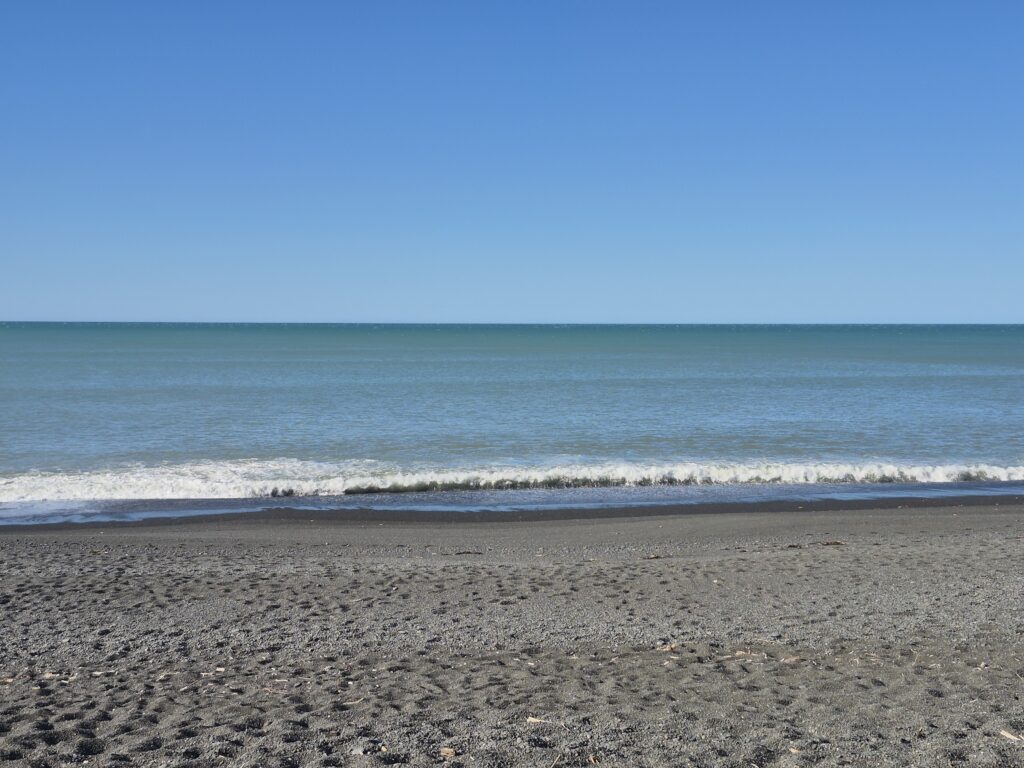
Unlike many other white sand beaches in New Zealand, Napier Beach has a black sand scenery with a largely pebble-strewn coastline. Of course, this is a nice opportunity to soak up the sun as well!

While the views are breathtaking, swimming at Napier Beach is dangerous and not recommended. That’s because of a steep drop-off, strong undertow, and unpredictable waves.
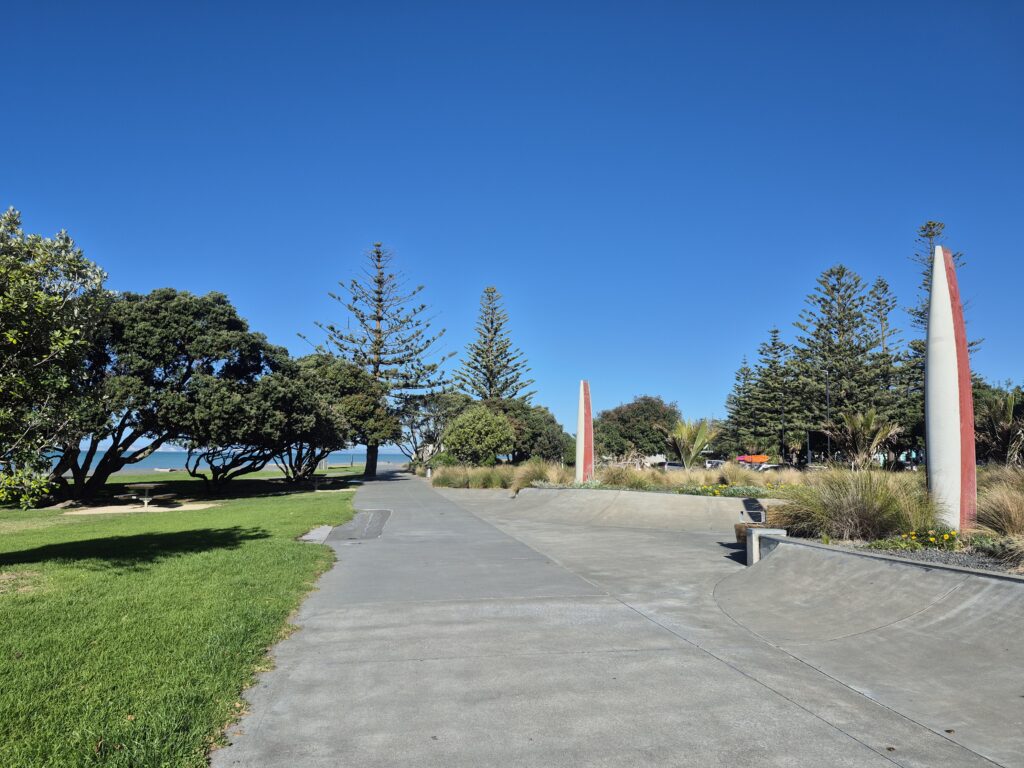
If you get hungry or thirsty on your stroll, check out the trendy bars, cafés, restaurants, and ice-cream shops just a few steps away from the Marine Parade and Napier Beach. This area is buzzing with activities during the day and night, so it’s a must-visit attraction in Napier.

Pania of the Reef Statue

Address: 56 Marine Parade, Bluff Hill, Napier 4110, New Zealand

While spending time along Marine Parade, you can’t help but notice the Pania of the Reef Statue. This beautiful bronze statue sitting on a stone base is 2.4 meters (7.8 ft) tall and was unveiled in 1954.

According to Maori legend, Pania was a mermaid associated with the reef who fell in love with Karitoki, a Maori chief’s son from the land. They married in secret and Pania lived with him at night and with the mermaid people during the day. They also had a son called Maremare.
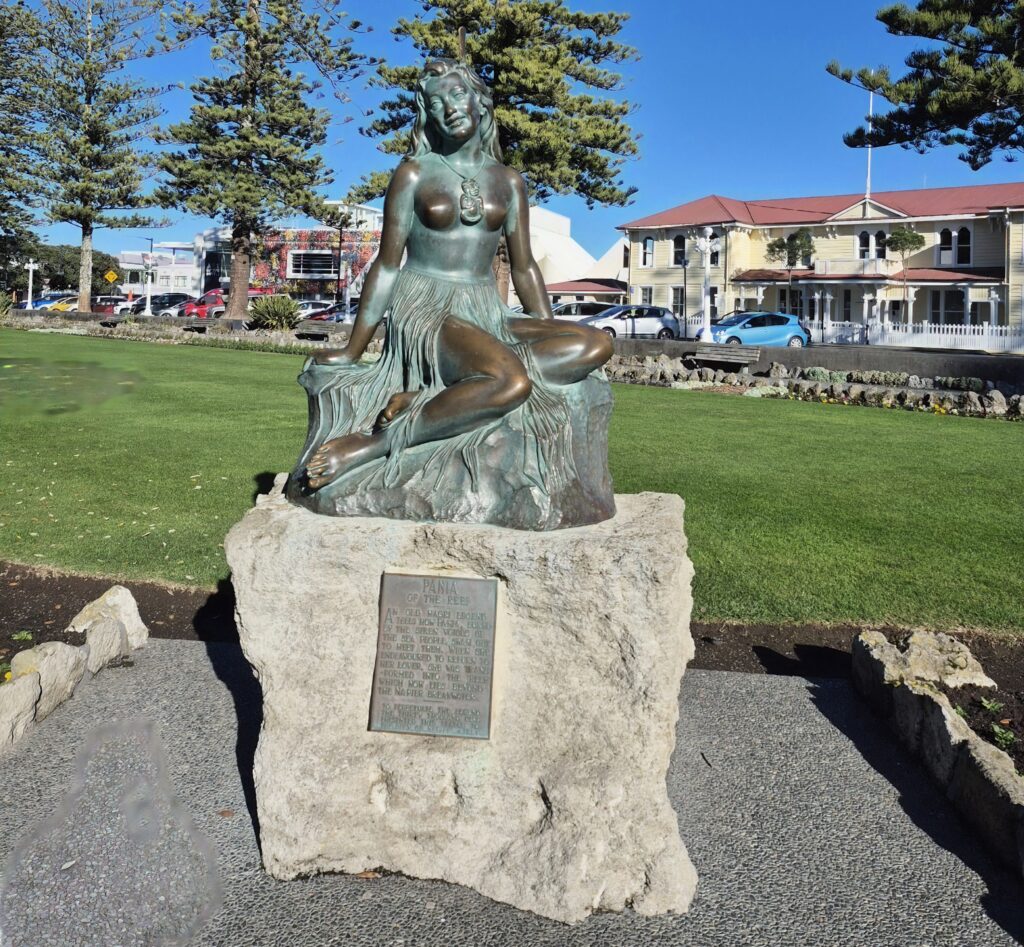
Surprisingly, Maremare didn’t have any hair, and Karitoki worried that he’d lose his wife and son to the mermaid people. When he asked Pania to turn into a human forever, she fled back to the sea and they never saw each other again.

The Pania of the Reef Statue was built to honour the Maori legend and heritage. It’s also a symbol for the close connection between Maori people and the natural environment (especially the ocean). In fact, many Maori people believe that Pania’s spirit is still watching the reef and ocean waters around Napier today.

The Metallic Mandala Sculpture

Address: 60 Marine Parade, Bluff Hill, Napier 4110, New Zealand

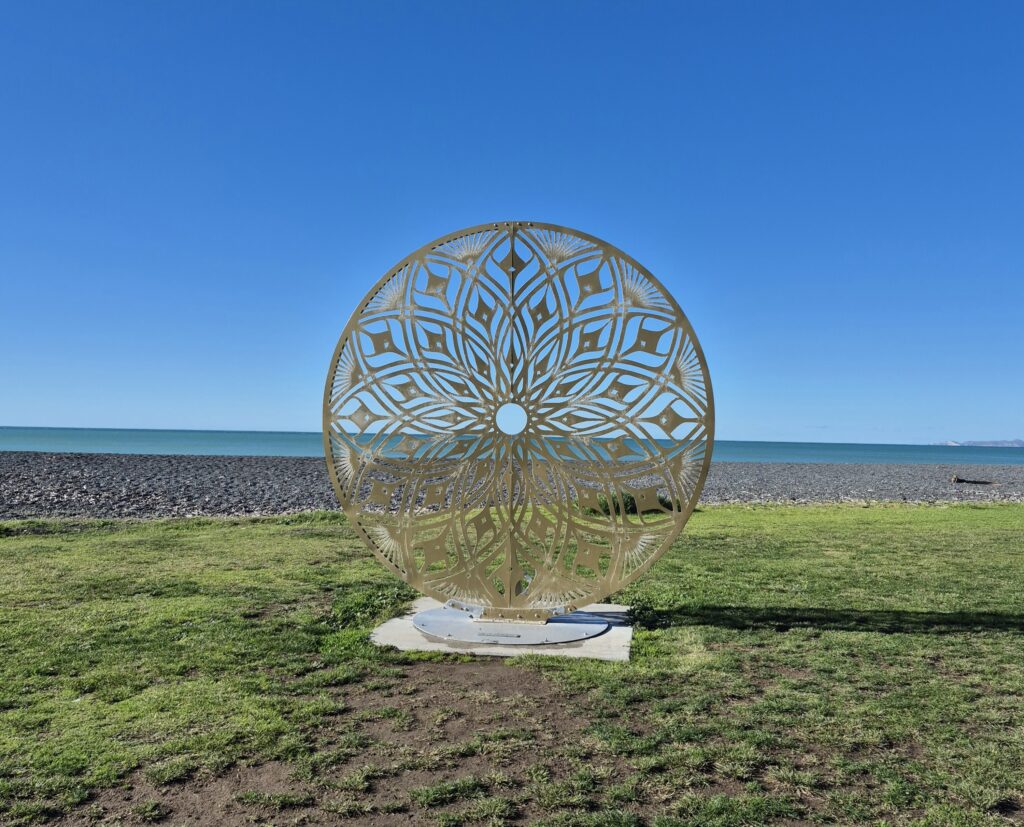
Just a few steps further is another eye catching attraction: The Metallic Mandala Sculpture. If you’re into unusual photo opportunities, you need to stop here for a couple minutes. The mandala sculpture sits rights in front of the beach and it’s impressive how it can withstand the effects of salt water!

I imagine that visiting this sculpture at sunrise or sunset is the best time of the day, but the mandala sculpture looks amazing during the day as well. What a perfect blend of public art and nature!
Sunken Gardens

Address: 152 Marine Parade, Napier South, Napier 4110, New Zealand

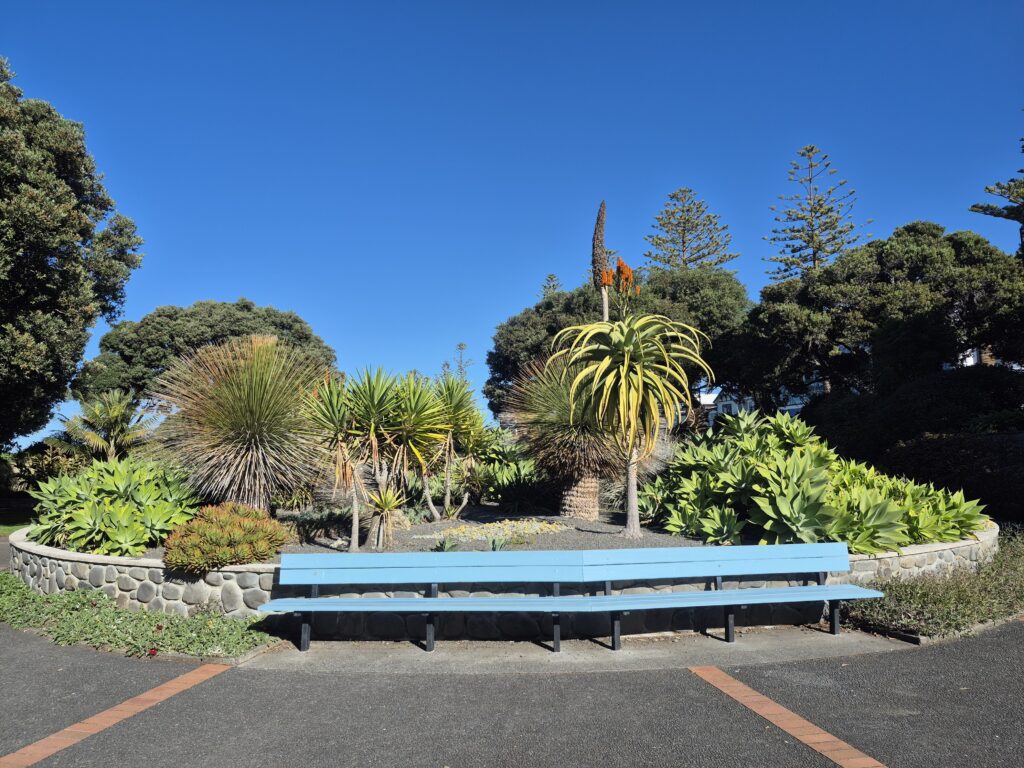
The last stop in this district of Napier are the Sunken Gardens, which have been a part of the city since 1969. They are known as the hidden treasure of the Marine Parade and they got their name because they sit underneath the street level. Besides, this is a great spot to escape the hustle and bustle of the city for a bit.

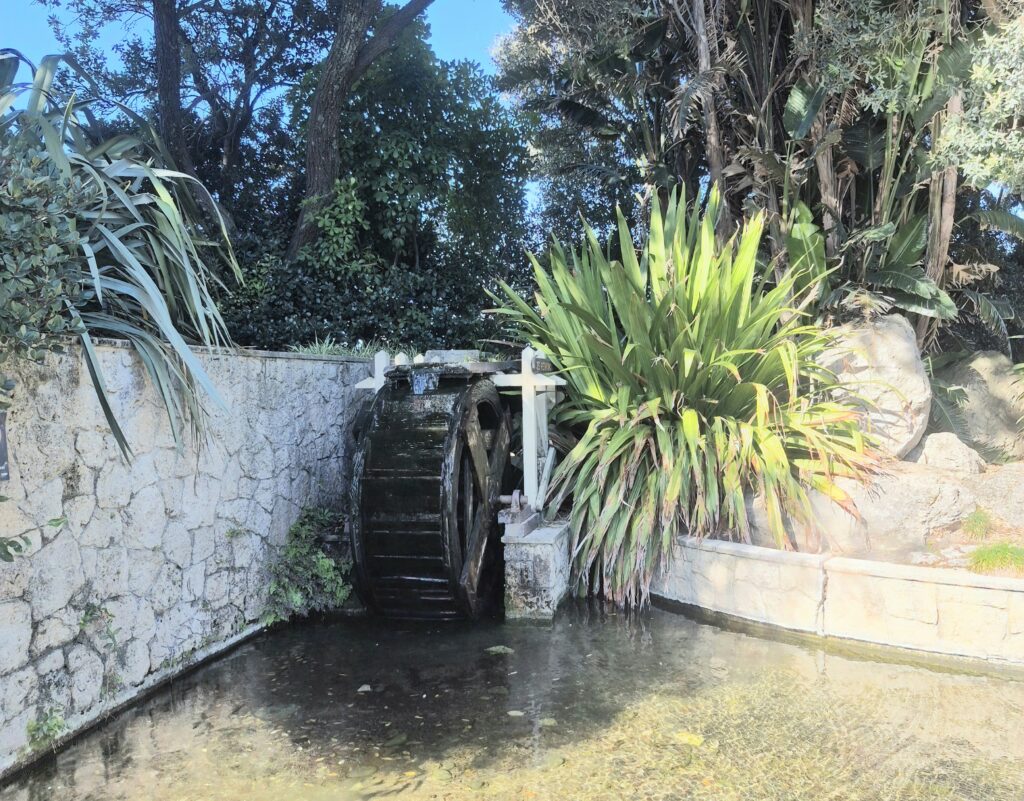
The Sunken Gardens are perfect for a leisurely stroll between different kinds of trees and flowers. There’s a small pond, waterwheel, a flowerbed with the peace sign, and benches to sit and relax as well.
Centennial Gardens Waterfall

Address: 54 Coote Road, Bluff Hill, Napier 4110, New Zealand

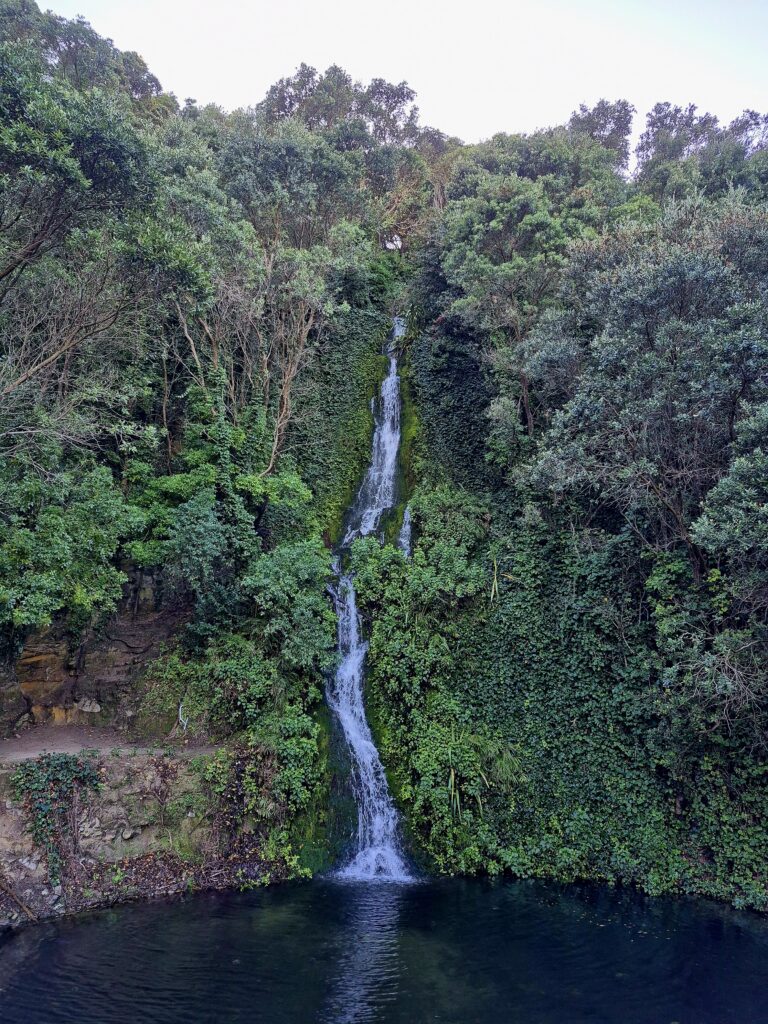
Just a short walk or drive from Napier’s city centre are the Centennial Gardens, which are the home of Centennial Gardens Waterfall. It’s 40 meters (132 ft) high and is the only (man-made) waterfall in Napier City!

Centennial Gardens Waterfall cascade down a mossy rockface to the pool at the bottom. There’s also a white bridge in front of the waterfall, which is the best spot for taking photos, in my opinion. Besides, if you’re visiting in the dark, the falls are lit in bright green!
While walking around the gardens, watch out for the beautiful flowerbeds, native bush, as well as native birds (e.g. tui and bellbird) that live here.

The Centennial Gardens were founded in 1974 to celebrate the 100th anniversary of Napier’s establishment. In the past, this area was a quarry guarded by prison staff.

Napier Carillon

While taking a lunch break at Clive Square near Napier’s Art Deco Walk, I couldn’t help but listen to the beautiful melodies played by the Napier Carillon.

This stunning bell tower has been a part of Napier since 1974. It was a gift from the Rothmans Tobacco company (one of Napier’s biggest employers back then) for the 100-year anniversary of Napier City.
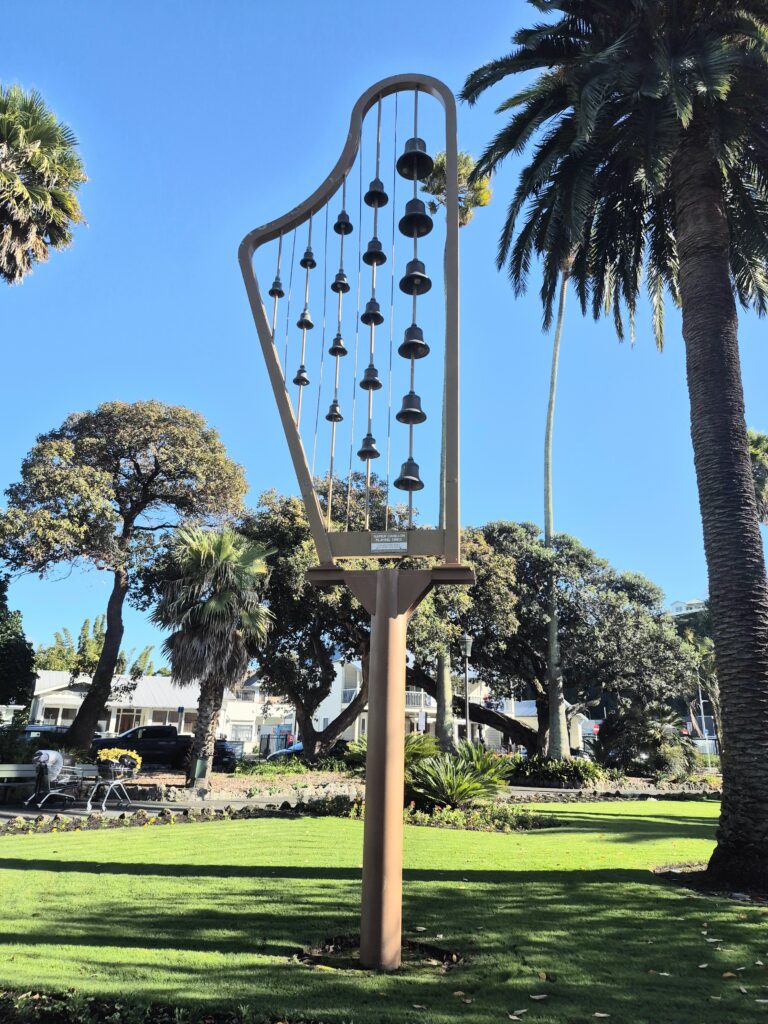
Visitors and locals alike can listen to its popular and seasonal songs (e.g. Silent Night and Pokarekare Ana) every half hour between 11:30 am and 2 pm seven days a week. It plays four tunes one minute apart each time!

The 19 bells are made out of bronze and steel and they are played by a computer system since 1997.

Memorial Square

Address: 5 Clive Square East, Napier South, Napier 4110, New Zealand

Next to Clive Square is peaceful Memorial Square. With its lush greenery and grassy areas, it’s the perfect spot for a picnic or going for a walk.

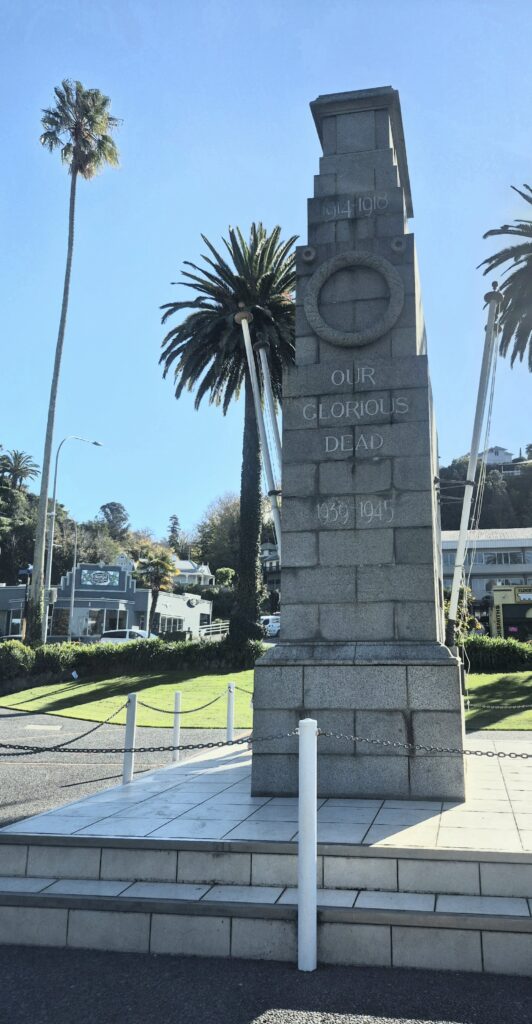
But the most eye catching and deeply moving part of Memorial Square is the Cenotaph dedicated to fallen soldiers of World War I and World War II.

On the Cenotaph’s backside, it also honours fallen soldiers from other wars, e.g. the Korean War and South Vietnam War.
Go Shopping

If you love shopping, Napier will likely make you max out your credit card! I browsed around stores close to the Art Deco Walk, in which you can find a cool selection of (vintage) clothing, antiques, shoes, gifts, stationaries, books, and so much more!

My favourite store is Whitcoulls, one of New Zealand’s major book store chains.
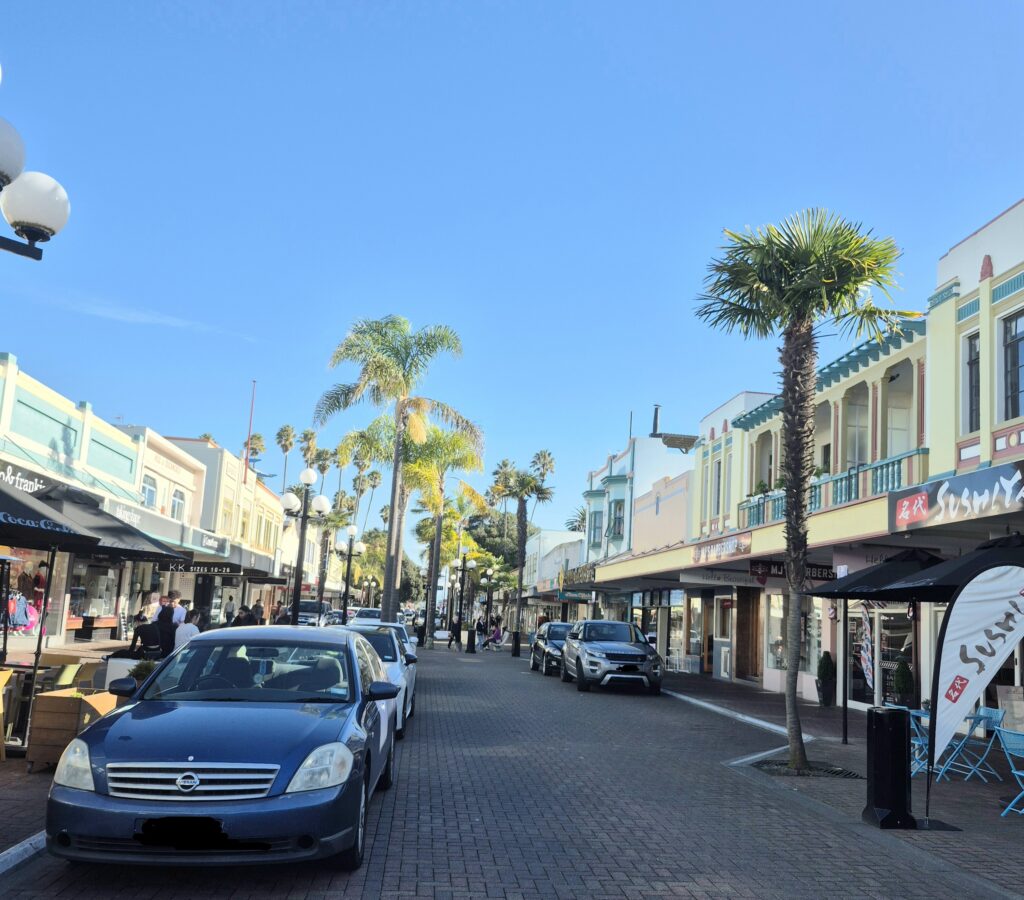
One of the shopping streets in Napier’s City centre.

If you’d rather shop for fresh produce and souvenirs made by local artists, don’t miss the Napier Urban Farmer’s Market at Clive Square! It’s open every Saturday morning from 8:30 am to 12:30 pm.

Other Things to See and Do in Napier

Unfortunately, One Day in Napier is not enough time to see everything that this charming coastal city has to offer.

So if you’re looking for more inspiration, here are few more fun things to do in Napier City:

Go Wine tasting at a local Winery

As one of New Zealand’s sunniest cities, Napier has many local wineries which are open for wine tasting. Winery examples in this region are Linden Estate Winery, Mission Estate Winery, and Church Road Winery.

If you’d like to go wine tasting at multiple wineries in one day, I recommend booking a half day or full day Winery Tour (often combined with a cycling tour!) through Viator or Get Your Guide.

Join a Scenic Rafting tour

Adventurous travelers also get their money’s worth in Napier, such as by booking this Scenic Rafting experience from Napier. This organized tour includes pick up in Napier, and soon after, you’re flowing down the Mohaka River (about 45 minutes from Napier).

This is a calmer expedition on the river (grade 2 rapids). So you’ll get action, but will also listen to birdsongs and learn about the local history, which dates back 80 million years!

This experience is fun for thrill seekers and families (with older kids) alike. Rafting equipment and lunch is included in this 5-hour tour. In the end, you’ll be dropped off again in Napier.

Hike up to Bluff Hill Lookout

Address: 50 Lighthouse Road, Bluff Hill, Napier 4110, New Zealand

For an amazing view of Napier Port and Hawke Bay, go for a moderate hike up to Bluff Hill Lookout. It’s very close to Marine Parade and the Centennial Gardens Waterfall, so I’d recommend doing this after visiting these places, if you still have energy left 😉

Bluff Hill Lookout sits at 105 meters (344 ft) above sea level and if you’re walking from the road, the entire path is about 4.4 km (2.7 miles) long and some sections can be quite steep. Bluff Hill Lookout is also an awesome place to watch the sunrise or sunset.

This is also a historic spot, as the lookout was built above a coastal defense gun emplacement used in World War II.
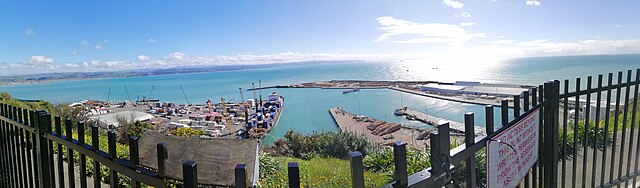
Panoramic view from Bluff Hill Lookout. Photo credit: Panamitsu on Wikimedia Commons.

I got inspired about these additional activities in Napier by My Queenstown Diary’s 33 BEST Things to Do in Napier, NZ.

Where to Stay in Napier

If you want to spend the night in Napier after this action-packed day, there are many accommodation options.

Crashpalace Backpackers (11 Shakespeare Road, Bluff Hill, Napier 4110, New Zealand) is an awesome budget friendly option in Napier. It’s on a quiet side road, but very close to the city centre, the Art Deco Walk, and Marine Parade.

A lot of the interior design of the hostel is in Art Deco style, so it matches perfectly with the rest of Napier’s Art Deco buildings! Besides, you can easily meet other travelers in the common areas (e.g. in the kitchen, BBQ area, rooftop terrace, lounge, or games room).

Guests can choose between dorms and private rooms. I booked a private room and it was very clean and comfortable, and I loved the high ceilings! While I didn’t feel like chatting with humans, I made friends with a cute cat who randomly hung out in the kitchen area! 😀

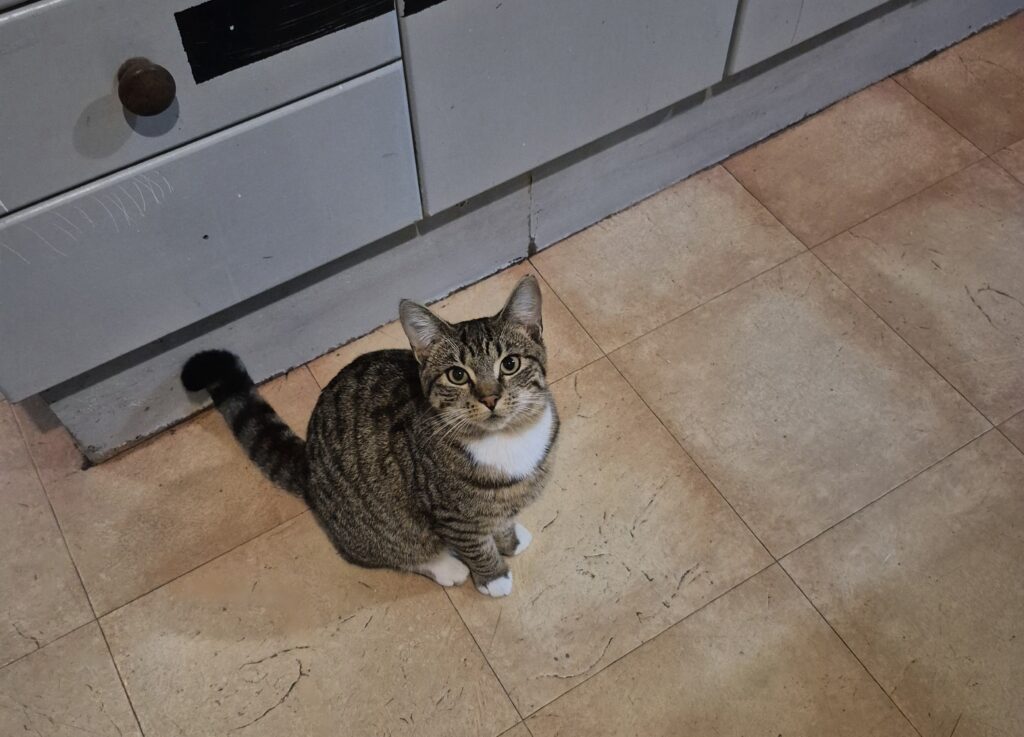
Common area at the hostel (Photo credit: Crashpalace Backpackers) and the cute cat!

Where to Eat & Drink in Napier

Similar to other cities in New Zealand, Napier has a nice selection of restaurants from many cuisines.

If you’re craving Mexican food, I recommend Zambrero Mexican Restaurant (69 Hastings Street, Napier South, Napier 4110, New Zealand). It’s an Australian over the counter-serve chain that has multiple locations in New Zealand.

Their menu features burritos, bowls, tacos, nachos, and drinks, with many meat and veggie options! I had their yummy Classic Veggie Burrito and it was so big that I ate the leftovers for lunch the next day!

I also like that they have strong humanitarian values (e.g. donating food through their Plate 4 Plate initiative).

The Best Time to Visit Napier

Thanks to its temperate climate, Napier is a nice place to visit any time of the year.

The warmest weather, but also busiest time of the year is in the summer (December to February). If you plan on visiting the Art Deco Festival in February, it’s recommended to book your accommodation way in advance.

The shoulder season (March-May and September-November) is a great time to come to Napier as well. Prices are a bit lower and there are less tourists, and the weather is still sunny a lot of the time.
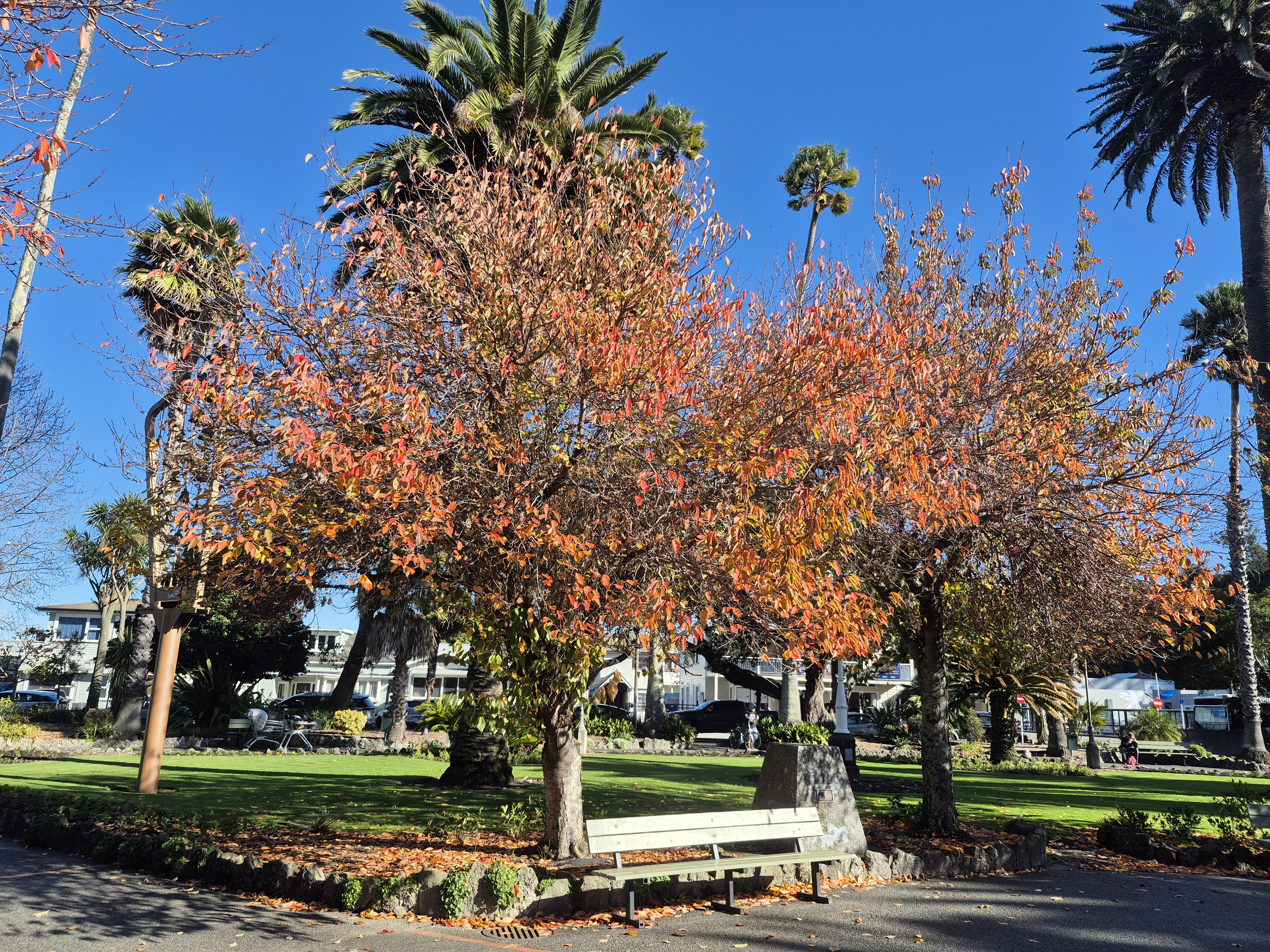
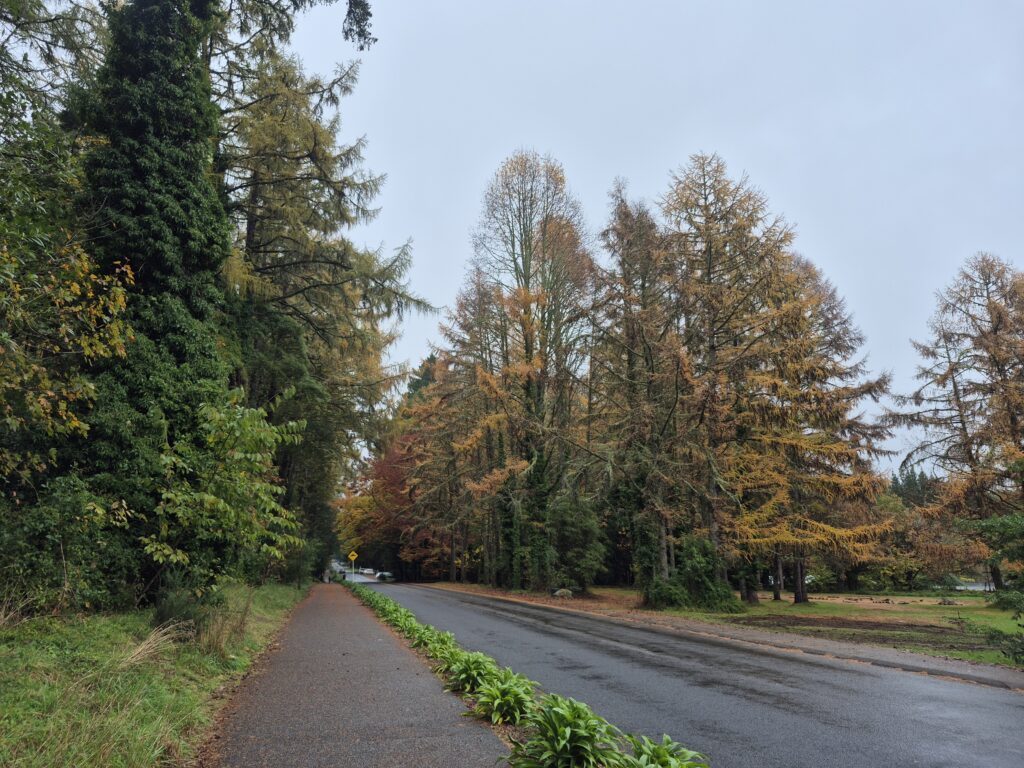
Beautiful fall colours in Napier during my visit in late May 2025. 😀

While winter (June-August) features warmer temperatures than in other parts of New Zealand, this is when it rains the most of the year. But hotel rates are the cheapest of the year in winter!

How to Get to Napier with Public transit

It’s pretty easy to get to Napier with public transit. New Zealand’s Intercity bus goes directly from cities like Tauranga, Rotorua, and Taupo to Napier. From the south, it’s possible to get to Napier from cities like Wellington and Hastings.

While no trains go here, Hawke’s Bay Airport is only 8 km (4.9 miles) outside of Napier City. It offers domestic flights to Auckland, Christchurch, Tauranga, Wellington, etc.

Wrap Up: One Day in Napier

Spending One Day in Napier is perfect to get an awesome first impression of this scenic coastal city. It’s called the Art Deco Capital of New Zealand for good reason, and its architecture is unique in the country.

Besides, I loved hanging out along Marine Parade and watching the ocean, and stumbling upon random attractions. Examples are the Pania of the Reef statue, the Metallic Mandala, and later listening to the Carillon playing its beautiful melodies!

Finally, Napier is a awesome place for wine tasting, tasty food, outdoor adventures, and shopping! So I highly recommend adding Napier to your New Zealand itinerary, no matter what time of the year you visit.

Feel free to check out my other New Zealand posts here:

A Day Trip to Milford Sound: New Zealand’s Top Natural Attraction
The 9 Best Things to Do in Paihia, New Zealand in Two Days

A DAY TRIP TO MILFORD SOUND: NEW ZEALAND’S TOP NATURAL ATTRACTION

Milford Sound (known as Piopiotahi in the Maori language) inside Fiordland National Park on the southwestern corner of the South Island is New Zealand’s most visited natural attraction. So why should you add a Day trip to Milford Sound to your New Zealand Bucket list?

Well, its awe-inspiring beauty and scenery amazes visitors every day, whether it’s rain or shine. Milford Sound is one of the most stunning places on earth, and English writer Rudyard Kipling even called it the “8th Wonder of the World”!

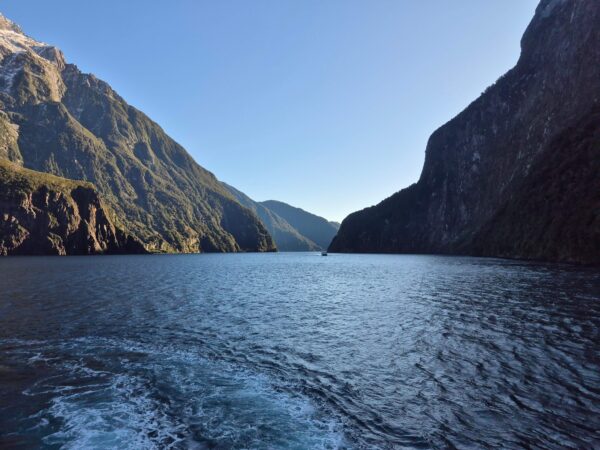
Milford Sound is a fiord, so a sea inlet that’s surrounded by mountains, stunning waterfalls, rock cliffs and rainforest, and seals, dolphins, penguins, and other wildlife live here. Fiordland National Park (Te Wahipounamu in Maori) is also a UNESCO World Heritage Site.

Milford Sound is in the middle of nowhere and many visitors drive here from the town of Te Anau (1.5 hours south) or Queenstown (about 4 hours) and take a boat cruise around the fiord. Of course, it’s possible to book a Day Trip to Milford Sound on a bus as well.

When I visited Queenstown in June 2025, I booked this 12.5-hour Milford Sound Cruise & Glass-Roof Coach Tour through Get Your Guide. This tour is perfect for travelers without a car, and it includes cool stops along the way, like Eglinton Valley, Homer Tunnel, and spectacular Mirror Lakes.

Disclosure: I only recommend products that I’ve used in the past, and all opinions expressed in this post are my own. This post contains affiliate links. If you use one of the links throughout the page to buy something, I may earn a small commission at no extra cost to you. Thank you!

Meeting our Guide in Queenstown

Our day started around 7:30 am at the Intercity Bus Stop in Queenstown’s city centre, where our guide and bus were already waiting for us.

Once everybody was on board, we left towards Milford Sound. The guide was happy to share many great stories about this region of New Zealand along the way!

Driving along Lake Wakatipu & Breaktime in Te Anau

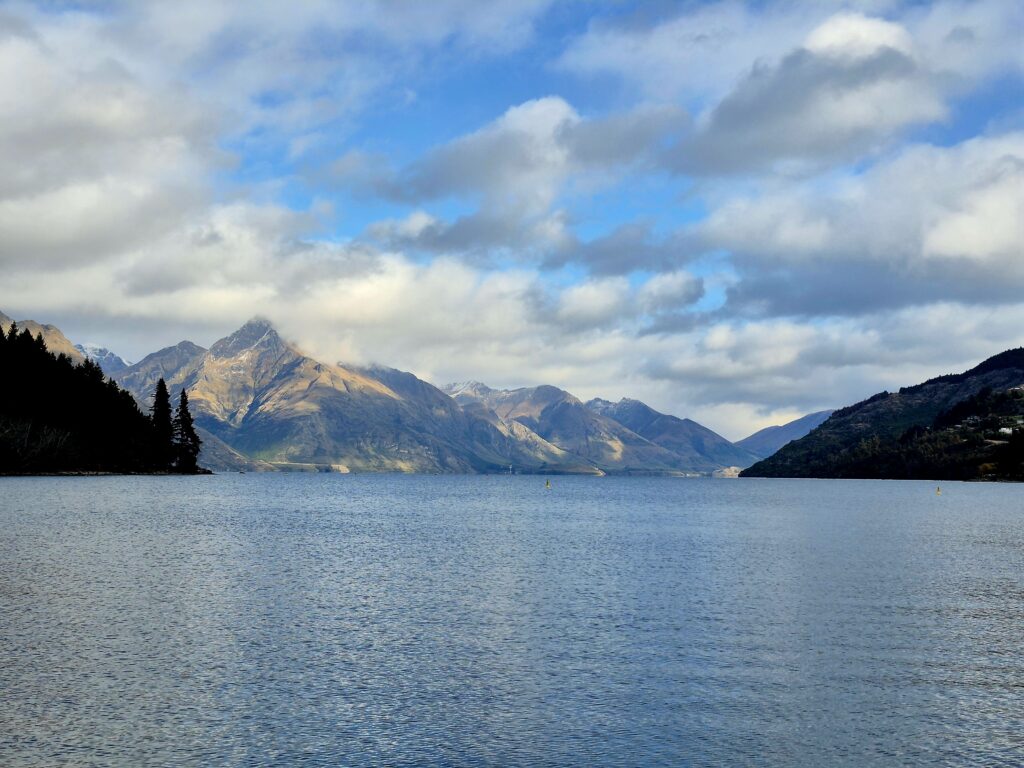
First we drove next to stunning Lake Wakatipu for a while, which is New Zealand’s third largest lake and it nestles around Queenstown and its nearby communities. It stretches for 84 km (52 miles), which also makes it the country’s longest lake.

Lake Wakatipu was carved out by a glacier more than 15,000 years ago during the last ice age. Besides, it has its own “heartbeat”, as it rises and falls by about 20 cm (7.8 inch) every 27 minutes!

After about two hours we arrived in the town of Te Anau, where we stopped at a coffee shop and the bus also picked up a few more passengers here.

Stop #1: Eglinton Valley

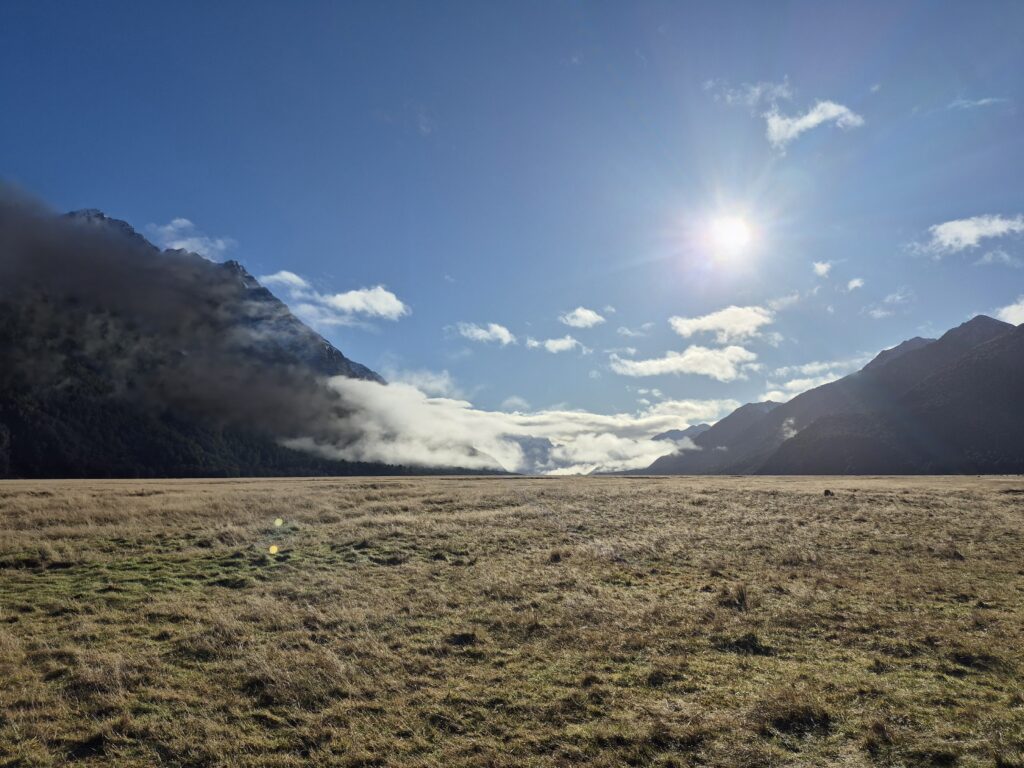
Our first stop after entering Fiordland National Park was Eglinton Valley. It was carved out by glaciers thousands of years ago and is one of the few places in New Zealand with a lowland beech forest.

The rugged mountains with golden tussock grasslands in front are a paradise for professional and amateur photographers. Besides, it’s one of a few valleys in the national park that are right beside State Highway 94.

Finally, this area is known for its unique flora and fauna, which cannot be found anywhere else in the world! More than 30 rare or endangered species live here. One example is the short-tailed bat, New Zealand’s only land mammal.

Stop #2: Mirror Lakes

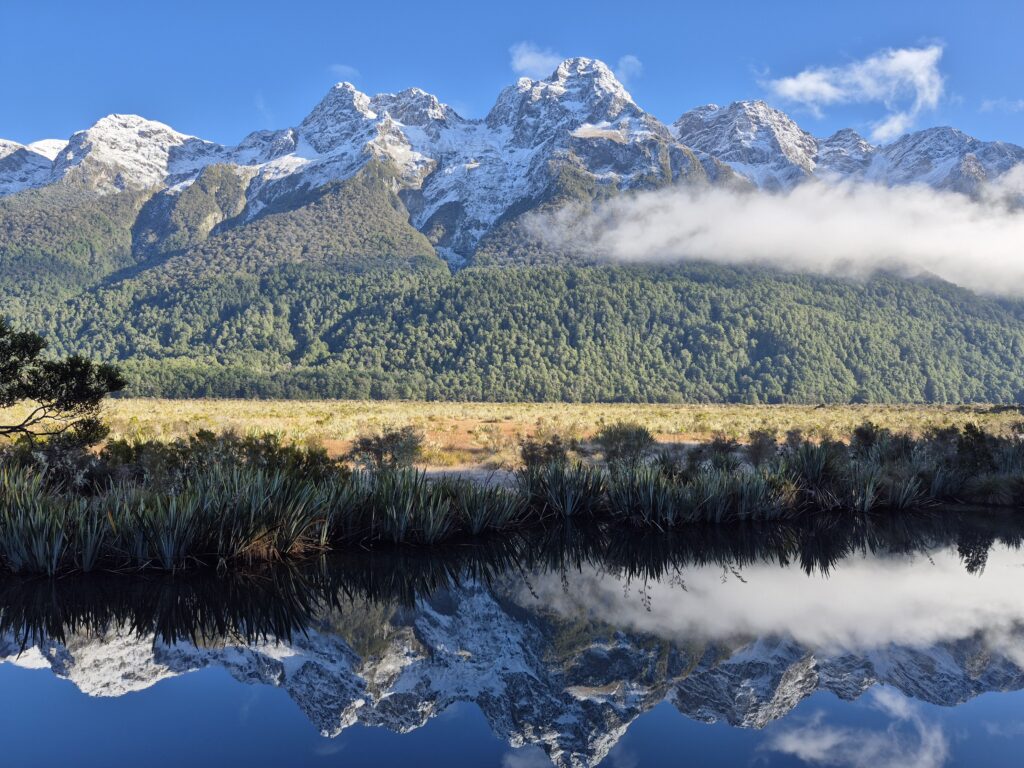
The greatest highlight on the way to Milford Sound, in my opinion, is Mirror Lakes. This scenic attraction sits next to State Highway 94, so it’s super easy to access. There’s also tons of free parking for cars, RV’s, and buses.
Mirror Lakes is a popular photo stop thanks to crystal clear reflections of the nearby Earl Mountains and Eglinton Mountain. It looks even more amazing in winter, when the snowcapped mountains and clear reflections on the water create the perfect picture!

Mirror Lakes is the perfect location for stretching your legs and enjoying beautiful views! The wooden boardwalk for admiring the lakes is 400 meters (1,312 ft) long and is wheelchair accessible as well.

It’s best to visit Mirror Lakes in the morning to avoid the crowds.

Unfortunately, visiting Mirror Lakes on a rainy, windy, or cloudy day is much different, as the reflections aren’t visible. So if you can, it’s best to go to this place on a sunny, still day.

Stop #3: Monkey Creek

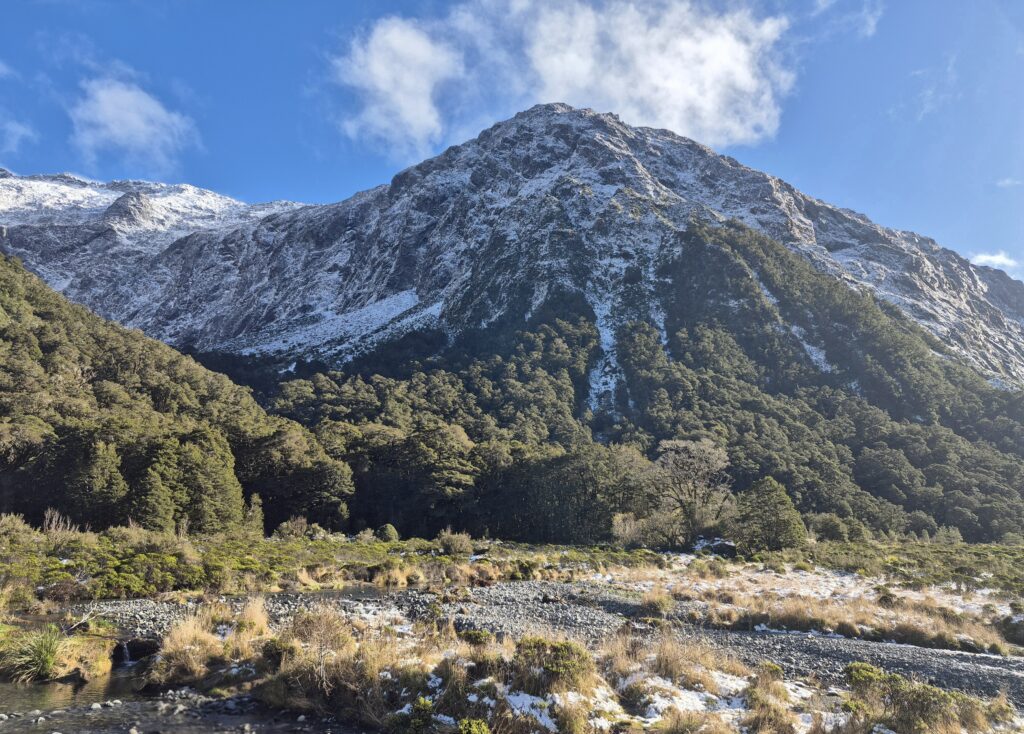
Another place to enjoy breathtaking vistas on the road to Milford Sound is Monkey Creek. This glacier-fed spring inside Hollyford Valley surrounded by majestic mountains is famous for its pure, drinkable water right from the source!

You might be wondering how this scenic spot got its name? While no monkeys live here, it was named after “Monkey”, William Henry Homer’s dog! Homer was a European settler who worked as a surveyor in the Fiordland area in the 1800s.

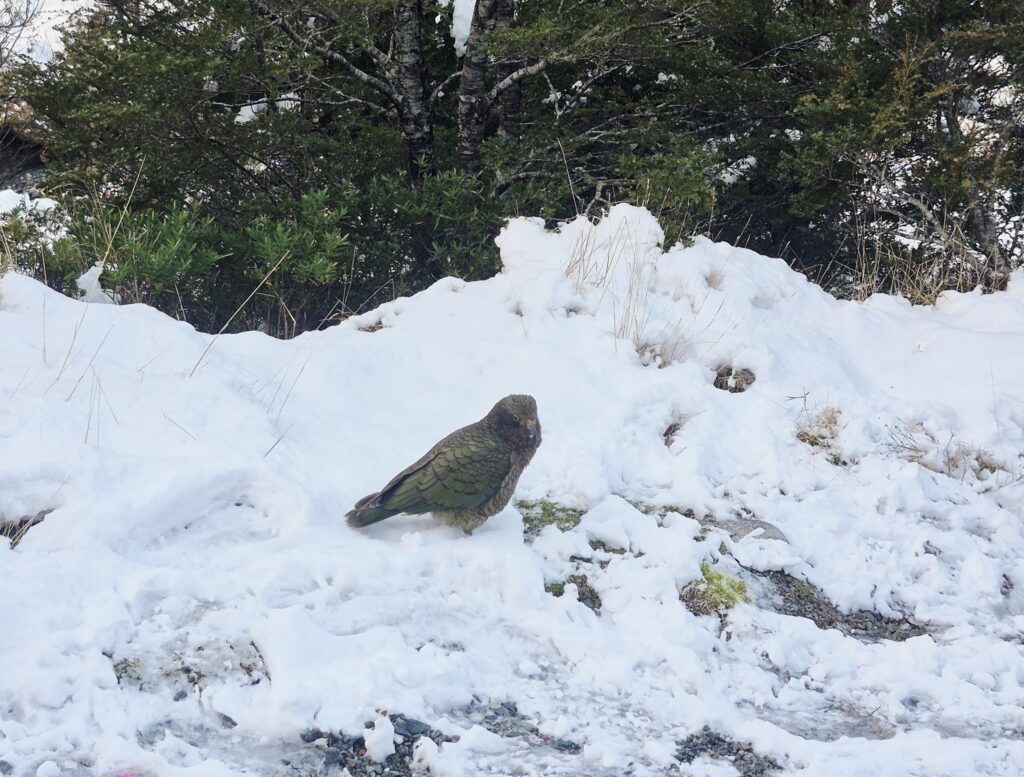
If you’re lucky, you might meet some local wildlife here as well. Kea (New Zealand’s alpine parrot) hang out here sometimes, and beware, they are usually not shy towards people and often pose for pictures! Still, please ensure to give them their space and don’t feed them.

Stop #4: Homer Tunnel

Just a few minutes later, we reached Homer Tunnel, which opened in 1954 and is 1.2 km (0.74 miles) long. It’s the only vehicle access through the Southern Alps to Milford Sound and goes right through a solid rock!

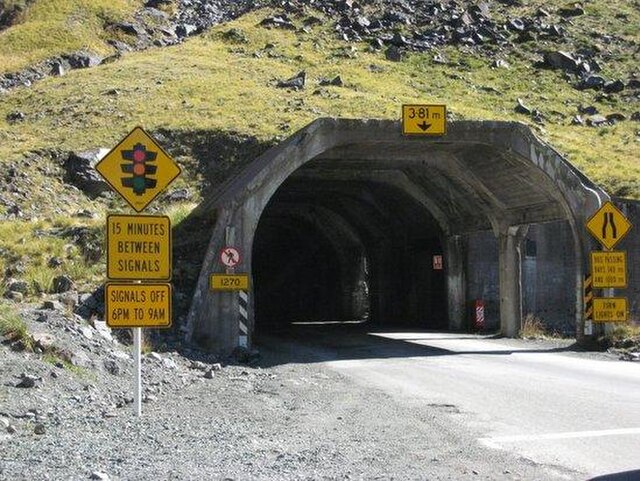
Since it’s very narrow, this is a one-way tunnel in the summer months and there’s a traffic light to direct cars, RV’s, and buses. Homer Tunnel is open year-round, but it might be closed sometimes because of heavy snow or rock falls. So if you’re driving, don’t forget to check road conditions before departing.

Although it can take up to 15 minutes until the light goes green, there’s a great way to kill time: Watching out for kea. These often cheeky birds only live on New Zealand’s South Island. We were amazed to meet three kea in front of Homer Tunnel in this short timeframe!

Entrance to Homer Tunnel (Photo credit: Mikedux on Wikimedia Commons) and one of the kea birds!

Boat Cruise around Milford Sound

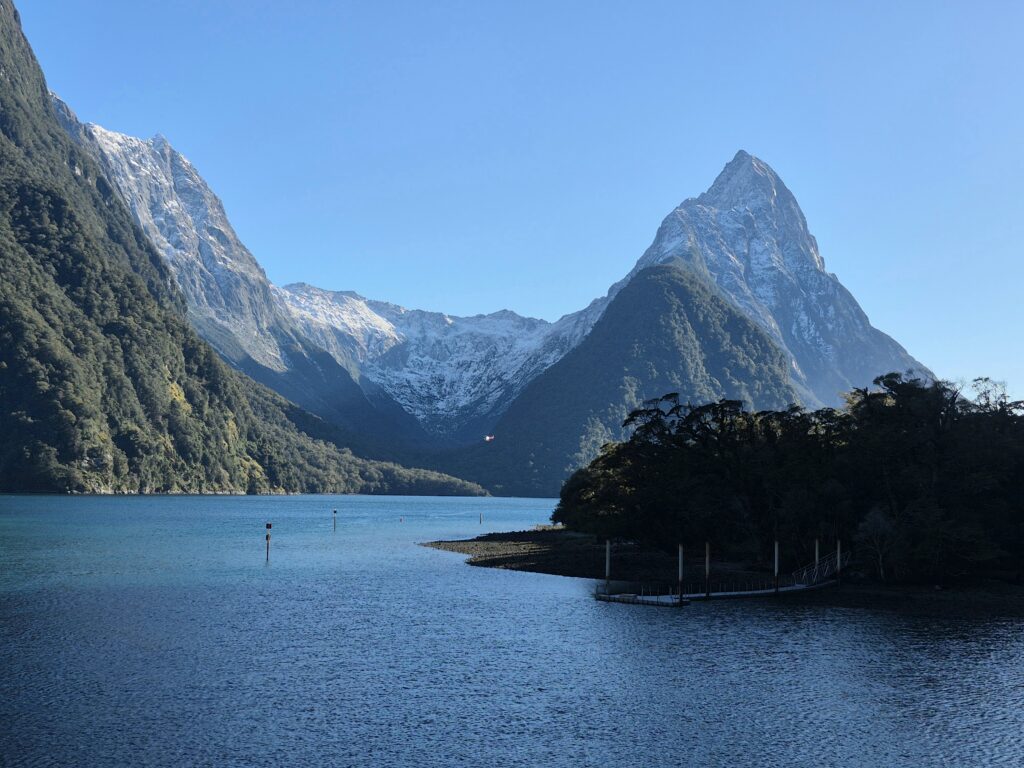
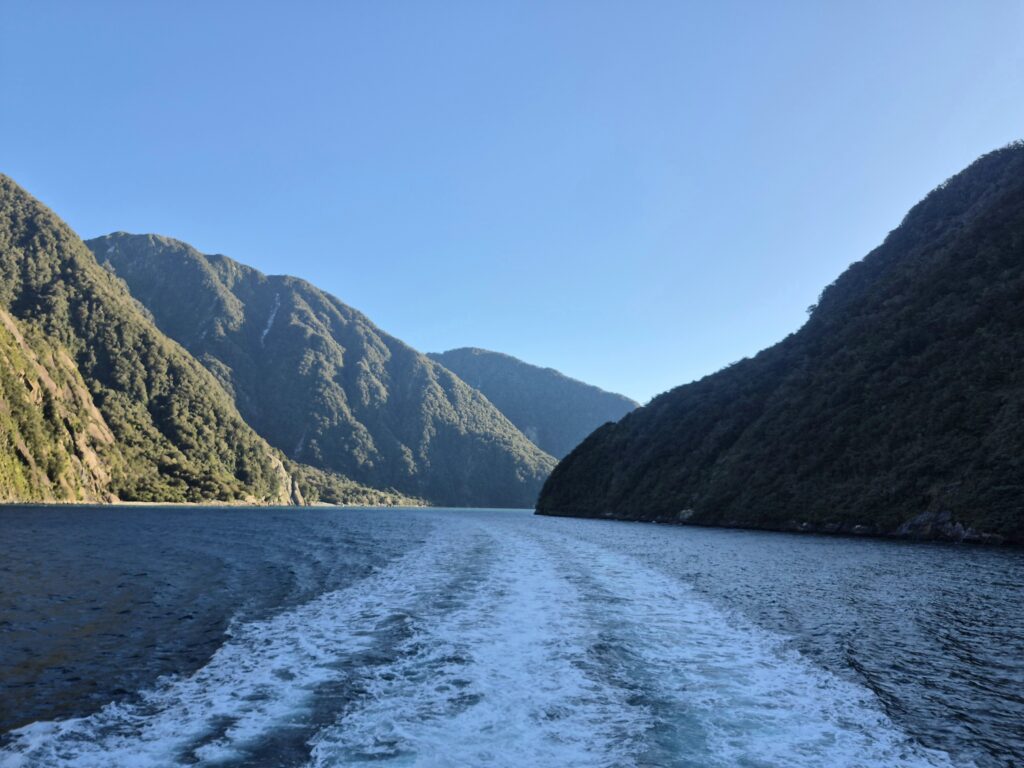
Finally, we reached our final destination: Milford Sound. Soon after, we hopped on the Pride of Milford for an 1 hour 45 minute boat ride all around the fiord. Passengers can watch this jaw dropping area from the outside deck or from the inside.

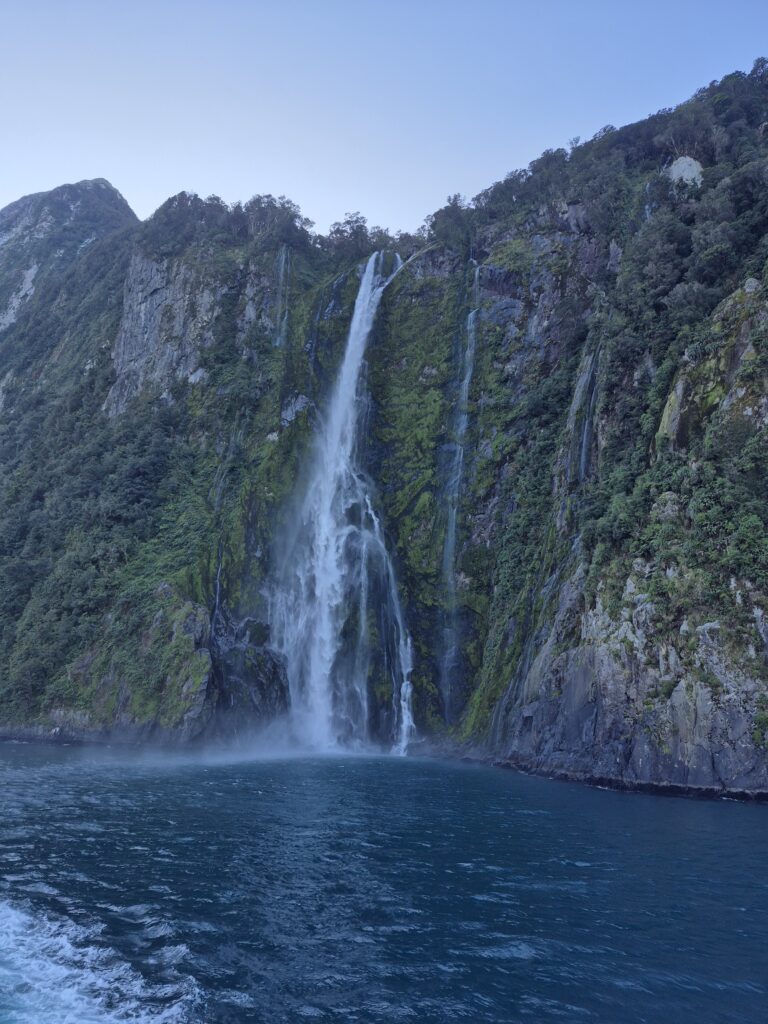
During the boat ride, you’ll go by glacier-scarred rock walls, stunning waterfalls, and steep rainforest-clad cliffs. Besides, be sure to look out for native wildlife, like seals, bottlenose dolphins and the rare Fiordland Crested Penguin!

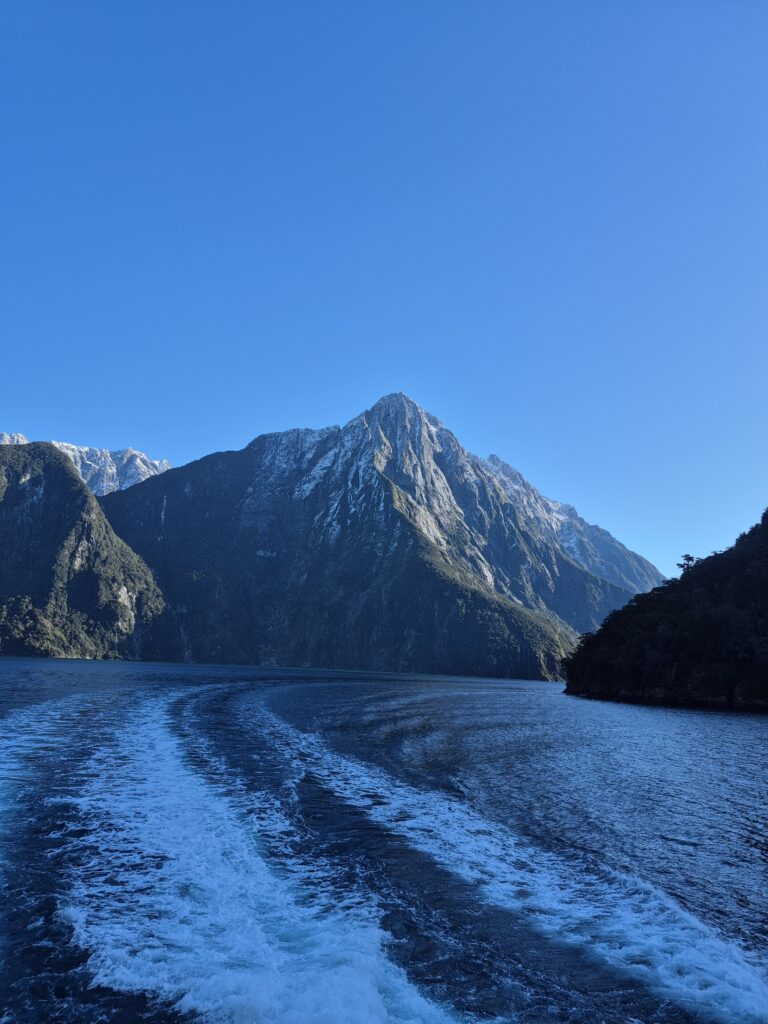
Finally, you can’t miss majestic Mitre Peak, which is 1,692 meters (5,551 ft) high. It’s on the top left picture below.

Participants of our bus tour could order a picnic lunch (sandwich, fruit, chips, granola bar, and drink) before the trip and the boat staff’s commentaries about the area were both interesting and funny!

Maori peoples found Milford Sound more than 1,000 years ago. While they didn’t live here, they’ve used this area for fishing, hunting, and collecting pounamu (greenstone).

The Best Time to Visit Milford Sound

Adding Milford Sound to your New Zealand itinerary is a must any time of the year. In the summer months (December to February), temperatures reach up to 19 C (66 F) and it gets down to 10 C (50 F) in the winter months (June-August). This is the busiest tourist season in New Zealand as well.

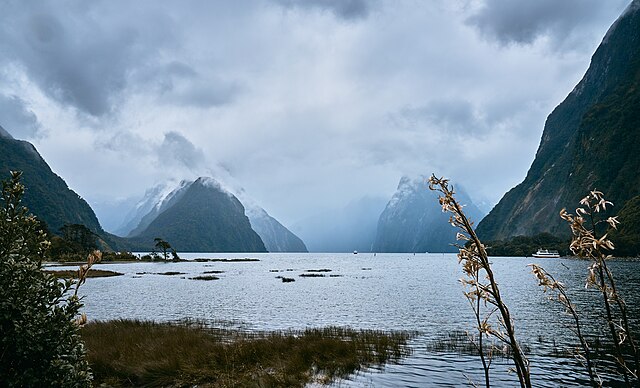
With an average of 180 days of rain per year, Milford Sound is one of the Wettest places on Earth. If it rains during your visit, just look at the Bright side: The mountains are surrounded by mist and the falls are bursting with water!

A rather drizzly day at Milford Sound. Photo credit: Pedro Szekely on Wikimedia Commons.

But I have to admit, I was thrilled to experience the breathtaking Milford Sound on a bluebird day in early June 2025! Still, I was grateful that I’d brought a thick jacket, hat, and scarf, as it was quite windy and cool on the outside deck.

Shall I Drive or Join a Bus Tour to Milford Sound?

A Day Trip to Milford Sound is possible by self-driving or by taking a bus from Queenstown or Te Anau. Either way, it will be a long day, especially if you’re going from Queenstown and back (about 4 hours each way) and stopping at several stops along the road.

If you’re driving, just keep following State Highway 6 at first. Then change on to State Highway 97 and 94, that takes you all the way to Milford Sound. You’re more flexible and can stop at any attraction on the way that you’d like. Just be sure that you’re comfortable with driving on narrow roads.

I was glad to join the bus tour with Get Your Guide, as I left the driving to someone else and loved checking out the beautiful scenery and having a snooze on the way back. 😉 The only disadvantage was that I had to hurry at the photo stops so the bus wouldn’t leave without me!

Conclusion: A Day Trip to Milford Sound

Milford Sound is a stunning spot to visit year-round, whether rain or shine. Looking at the scenic waterfalls, Mitre Peak, and steep rainforest-clad cliffs was truly spectacular. So it’s very understandable why Milford Sound is New Zealand’s top natural attraction!

Although it took quite a while to get from Queenstown to Milford Sound, I never got bored along the way. Watching the beautiful Southern Alps from the bus, and visiting highlights like Mirror Lakes, Monkey Creek, and Homer Tunnel (and meeting the kea, of course!) was just amazing.

So if you’re traveling around New Zealand, going to Milford Sound is a must! 🙂

Looking for inspiration on other cool places in New Zealand? Then check out these posts:

How to Spend 36 Hours in Rotorua without a Car

The 9 Best Things to Do in Paihia, New Zealand in Two Days

THE 9 BEST THINGS TO DO IN PAIHIA, NEW ZEALAND IN TWO DAYS

Paihia is a coastal resort town on the North Island of New Zealand, about 230 km (142 miles) from Auckland. It’s the ideal home base to explore the Bay of Islands, one of the most beautiful areas on the North Island. Besides, Paihia means “Good here” in the Maori language.

If you’re looking for a mix of beautiful beaches and natural areas, a buzzing smalltown, and want to learn about New Zealand’s history, Paihia is one of the best places to check out in New Zealand.

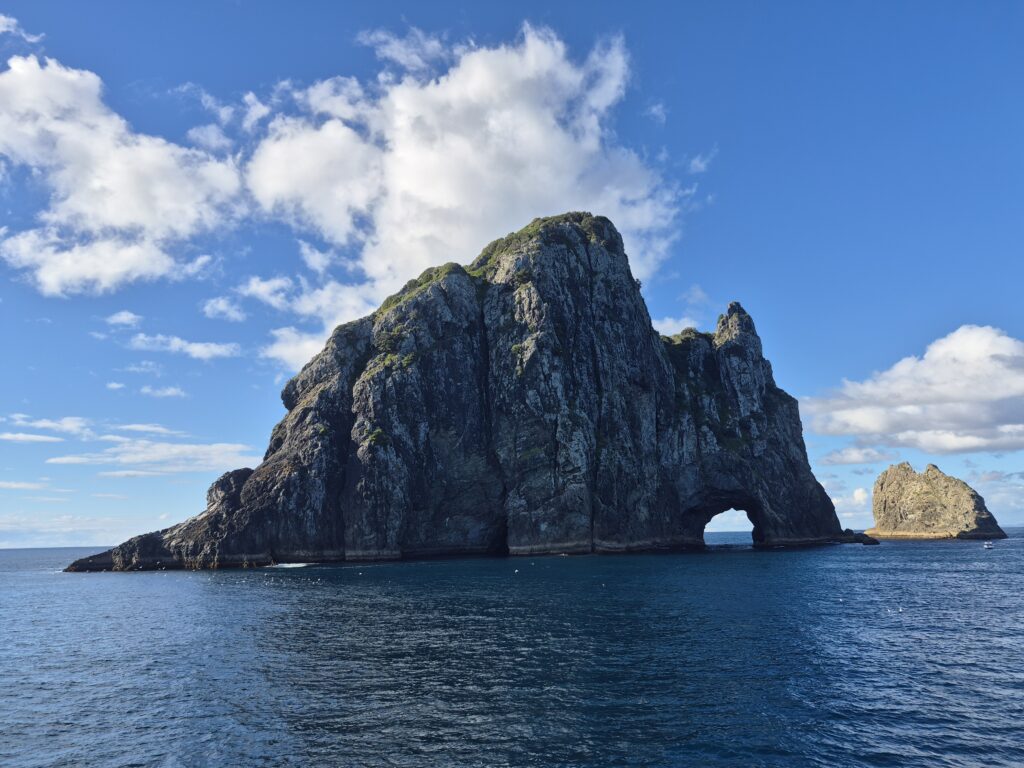
Examples include taking a boat tour to the amazing Hole in the Rock inside the Bay of Islands, hiking around beautiful Rainbow Falls, exploring Kawiti Glowworm Caves, and visiting the Waitangi Treaty Grounds.

I was in Paihia for two days in May 2025 and had a blast! So without further ado, I’m psyched to share the 9 Best Things to Do in Paihia in Two Days with you! 😀

Disclosure: I only recommend products that I’ve used in the past, and all opinions expressed in this post are my own. This post contains affiliate links. If you use one of the links throughout the page to buy something, I may earn a small commission at no extra cost to you. Thank you!

Visit the Waitangi Treaty Grounds

Address: Tau Henare Drive, Waitangi 0293, New Zealand

Known as New Zealand’s most important historic landmark, Waitangi Treaty Grounds is where the nation of New Zealand was born.

The first Europeans arrived in this area in 1815. After years of negotiations between British settlers and Maori peoples, British Government representatives and Maori chiefs met here to sign the Declaration of Independence in 1835.

On February 6, 1840, the parties also signed the Treaty of Waitangi here, which confirmed shared power of Maori peoples and the British Government in New Zealand.

But the wording of the English and Maori language version of the treaty was quite different, which led to wars in parts of New Zealand for several decades. Finally, this conflict was resolved with the Treaty of Waitangi Act in 1975.

Te Kongahu Museum of Waitangi

Today the Te Kongahu Museum of Waitangi is at this historic site, where visitors can learn about the Treaty of Waitangi from different perspectives.

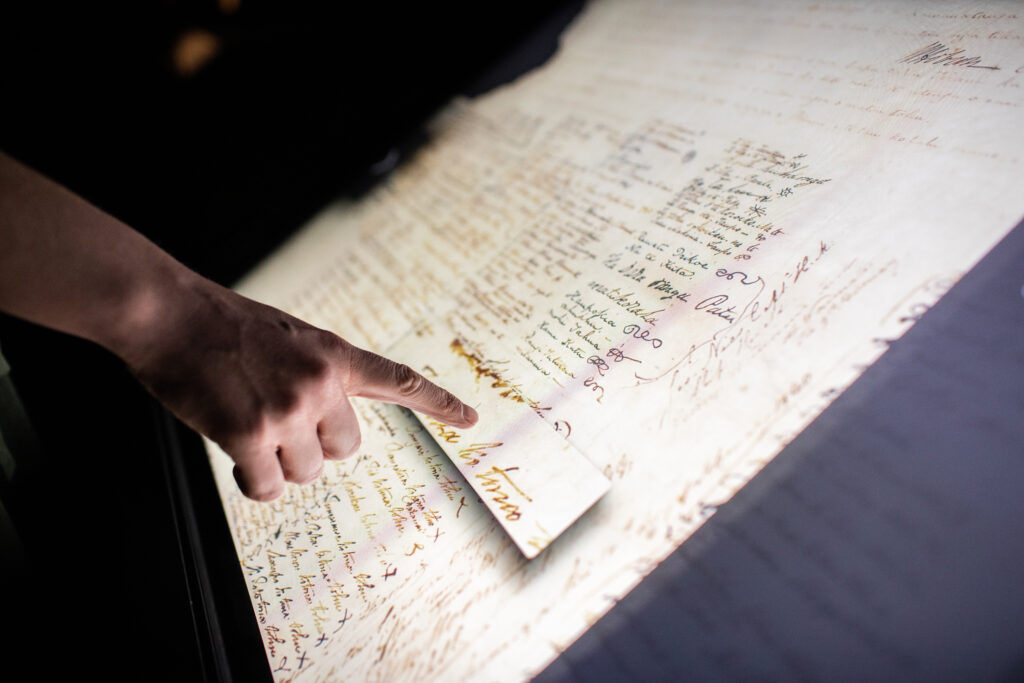
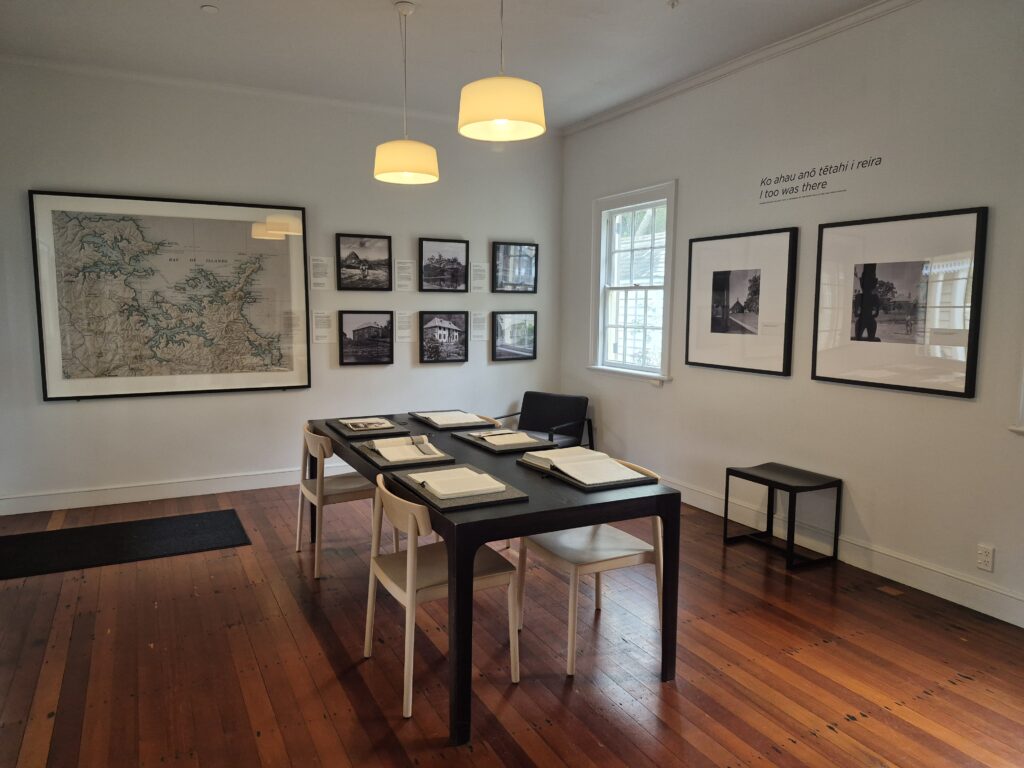
The exhibit also includes more than 500 photos, short movies, touchscreens, and the original treaty in both languages.

An electronic version of the Treaty of Waitangi. Photo credit: Waitangi Treaty Grounds.

Te Whare Runanga

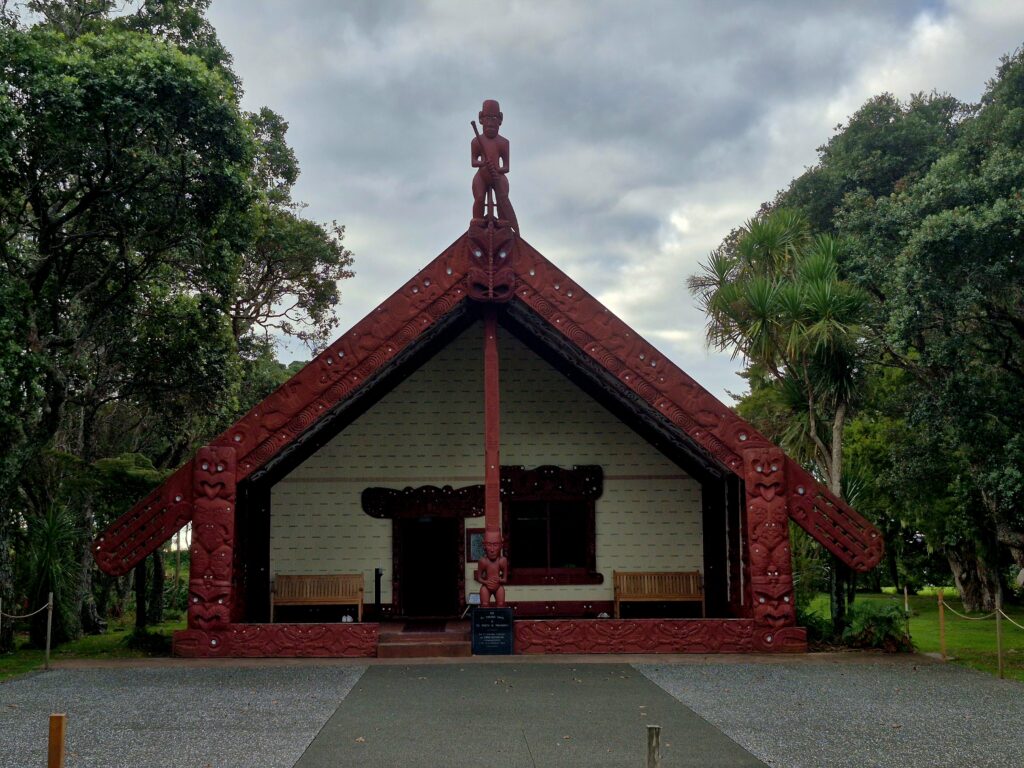
There’s also Te Whare Runanga, a carved meeting house built in 1940 from timber and other natural materials. It reflects traditional stories and Maori carving styles from across the country.

Besides, cultural performances, like haka (war dances) happen at Te Whare Runanga every day.

Te Whare Runanga and a cultural performance by Maori people. Photo #2 is credit of Waitangi Treaty Grounds.

Waitangi Treaty House

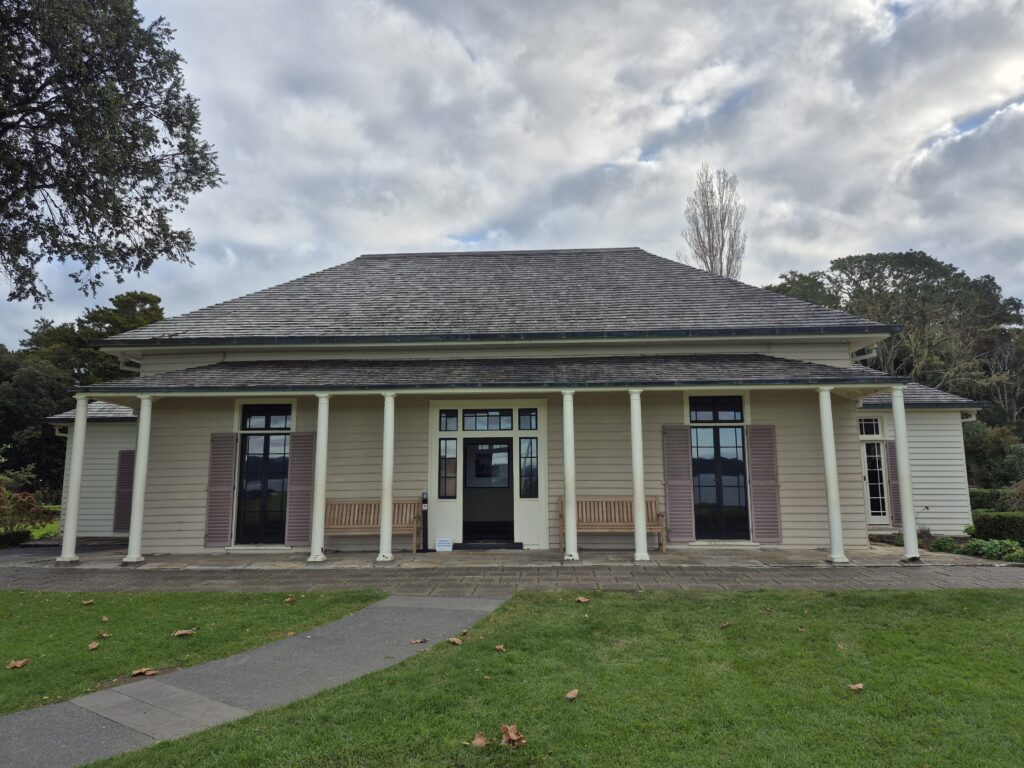
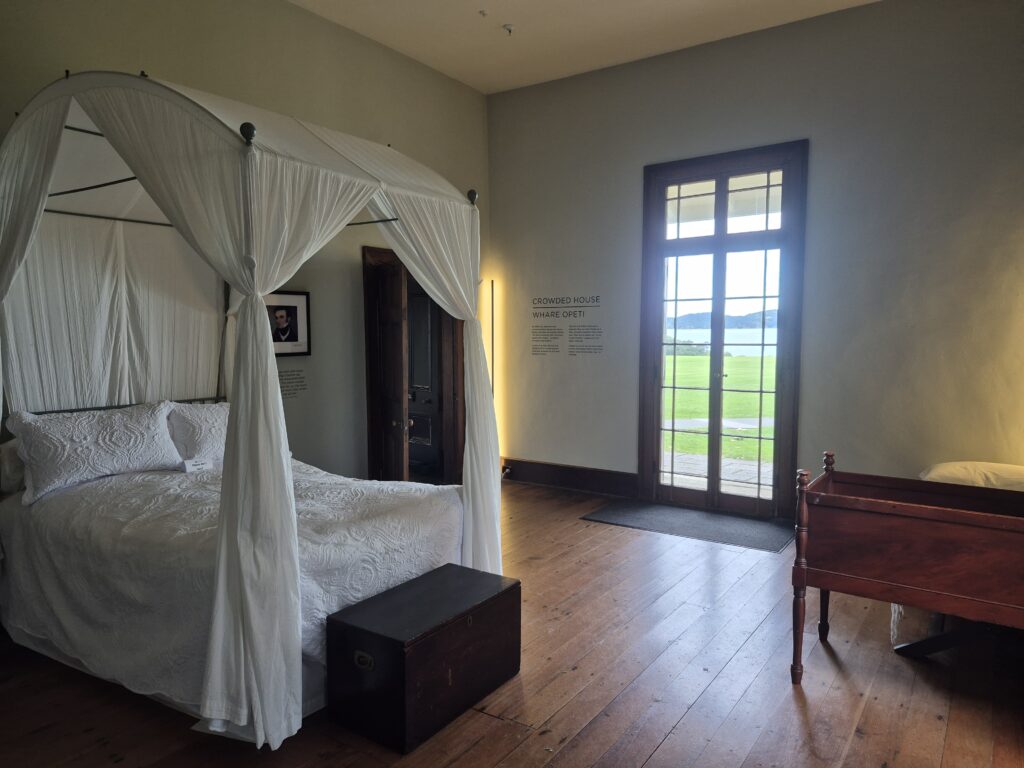
Another highlight of the Waitangi Treaty Grounds is Waitangi Treaty House. James Busby, the official representative of the British Government in New Zealand, moved here with his family in 1834, soon after the estate was brought from Australia.

Busby worked as a mediator between the British Crown and Maori leaders during their negotiations in 1835 and 1840. He also created drafts of the Declaration of Independence and Treaty of Waitangi here.

By 1841, Waitangi Treaty House had several family bedrooms, James Busby’s office, kitchen, living room, servants’ room, storeroom, and a central hallway. The estate was sold by Busby’s family in 1882 and then neglected for the next 50 years.

Governor-General Lord Bledisloe and Lady Bledisloe of New Zealand bought the estate and its surroundings in 1932. They gifted the entire estate to the People of New Zealand as a National Memorial site for the Treaty of Waitangi. The estate was restored in 1933 and again in 1989.

Today visitors can look at themed rooms at Treaty House, like James Busby’s bedroom, welcome area (also used as his office), and parlour (living room), where the final touches to the Treaty of Waitangi were added.

I recommend to spend at least three hours at Waitangi Treaty Grounds to get the full experience. It’s open daily (except December 25 and February 6) from 9 am to 5 pm (9 am to 6 pm from December 26 to February 28). Guided or self-guided tours are available.

Admission is NZ$ 74 for international visitors (NZ$ 37 for New Zealand residents with ID) and is valid for two consecutive days. Waitangi Treaty Grounds is a 5-minute drive from Paihia (or 8 minutes by bike or a 30-minute walk). No public buses go there, unfortunately.

Paihia Beach

Address: 28 Marsden Road, Paihia 0200, New Zealand

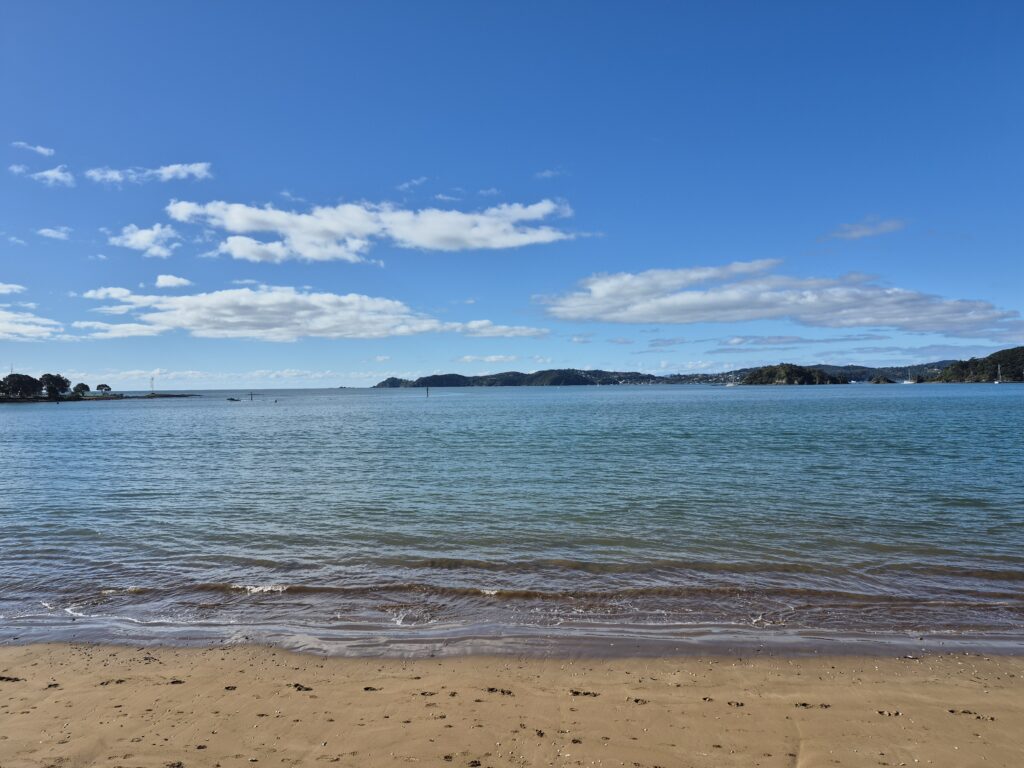
Known as one of New Zealand’s best beaches, Paihia Beach is the perfect spot to hang out for a bit. The golden sand beach stretches along the town front of Paihia and is famous for its calm and clear waters.

You can go for a swim, sunbathe, or rent a SUP, kayak, and other gear from Moana Kayaks on the beach.

Paihia Beach is really close to cafés, restaurants, and shops, and visitors can enjoy stunning views of the surrounding islands as well.

This area is partially wheelchair accessible, as some access points have ramps. The paved promenade next to Paihia Beach takes you to the town centre.

Visit Rainbow Falls

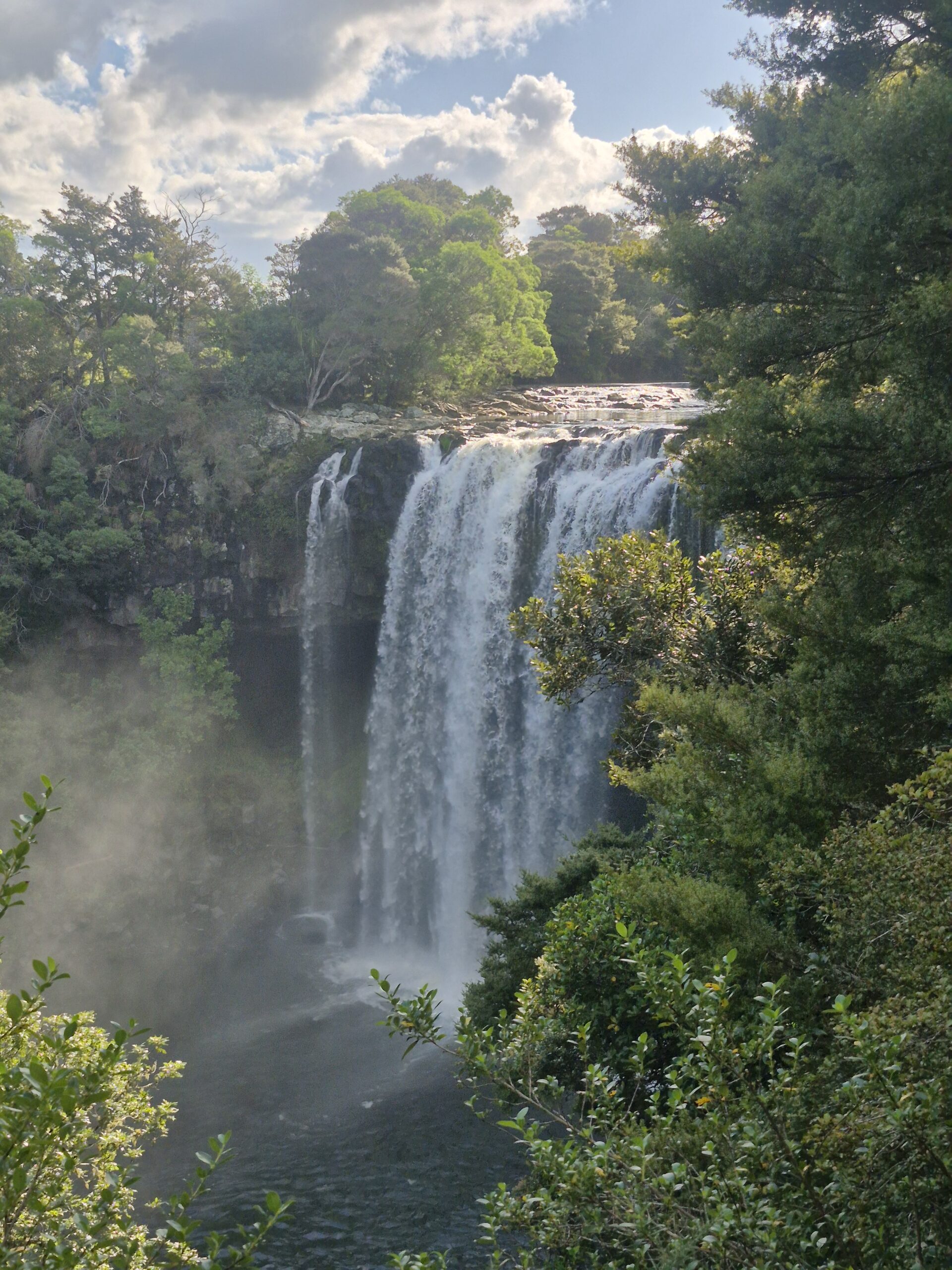
Nature fans shouldn’t miss breathtaking Rainbow Falls (known as Waianiwaniwa in Maori). This single-drop waterfall is 27 meters (88 ft) tall and is a popular photo spot any time of the year. It cascades into a large swimming hole surrounded by vegetation.

Visitors can look at Rainbow Falls from several viewpoints. If you have time, include scenic Rainbow Falls Walk, which is an easy path to the base of Rainbow Falls. While I didn’t go all the way, walking around the trees and watching out for wildlife was lots of fun!

Rainbow Falls is near the town of Kerikeri, a 30-minute drive from Paihia. There’s a parking lot just a few minutes from the waterfall. Or you can take InterCity bus to Kerikeri, then walk for about an hour (or take a taxi) to Rainbow Falls.

Take a Boat Tour to Hole in the Rock

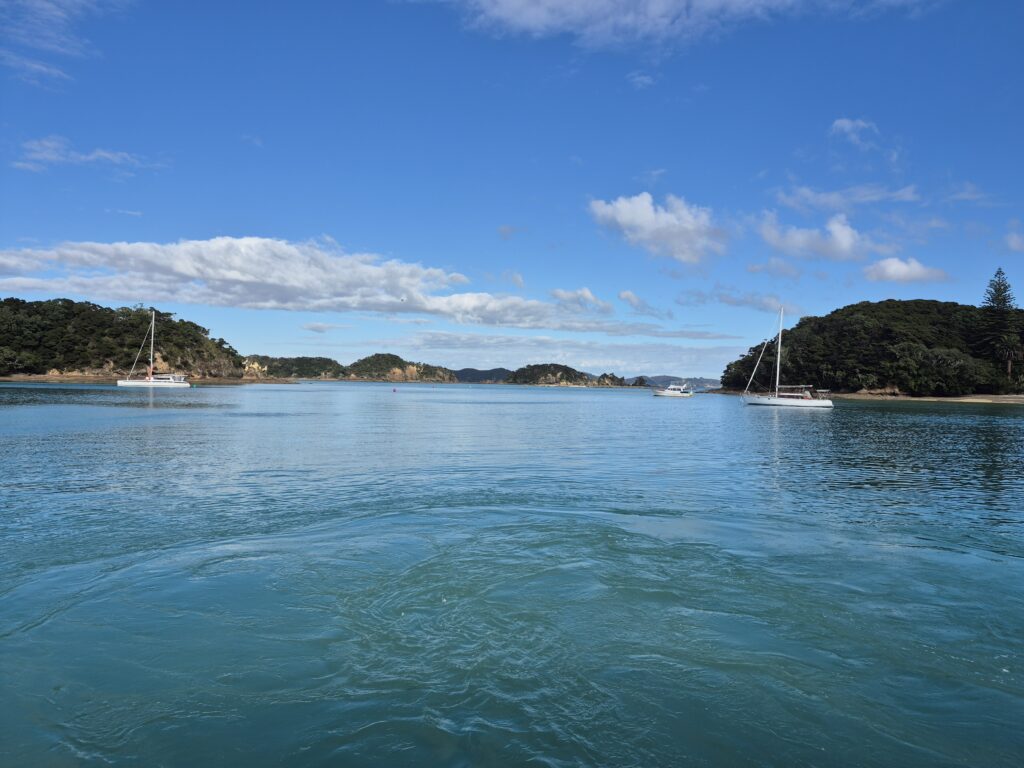
The iconic Hole in the Rock (known as Motukokako in Maori or Piercy Island) is another must-see on your Paihia trip. It’s at the very northern tip of Cape Brett Peninsula in the Bay of Islands and is one of most naturally beautiful sites in New Zealand.

This area has been in the hands of Maori peoples for many years. In their culture, Motukokako represents someone who stands strong against all issues, just like a rock resists the power of the sea. When Captain James Cook arrived in the 18th century, he named it Piercy Island.

Wind and waves created the 18-meter (59 ft) hole over centuries. When the water is calm, boats are able to fit through the rather tight hole, which is amazing! Tours can be booked through Get Your Guide or Viator, or a local operator like Fullers Bay of Islands. Half day or full day tours are available.

Besides, watch out for dolphins and whales, and various seabirds on your way to the Hole in the Rock! On my boat tour, it was possible to buy drinks and snacks and the crew told us lots of interesting and entertaining stories about the Bay of Islands area.

Explore Urupukapuka Island

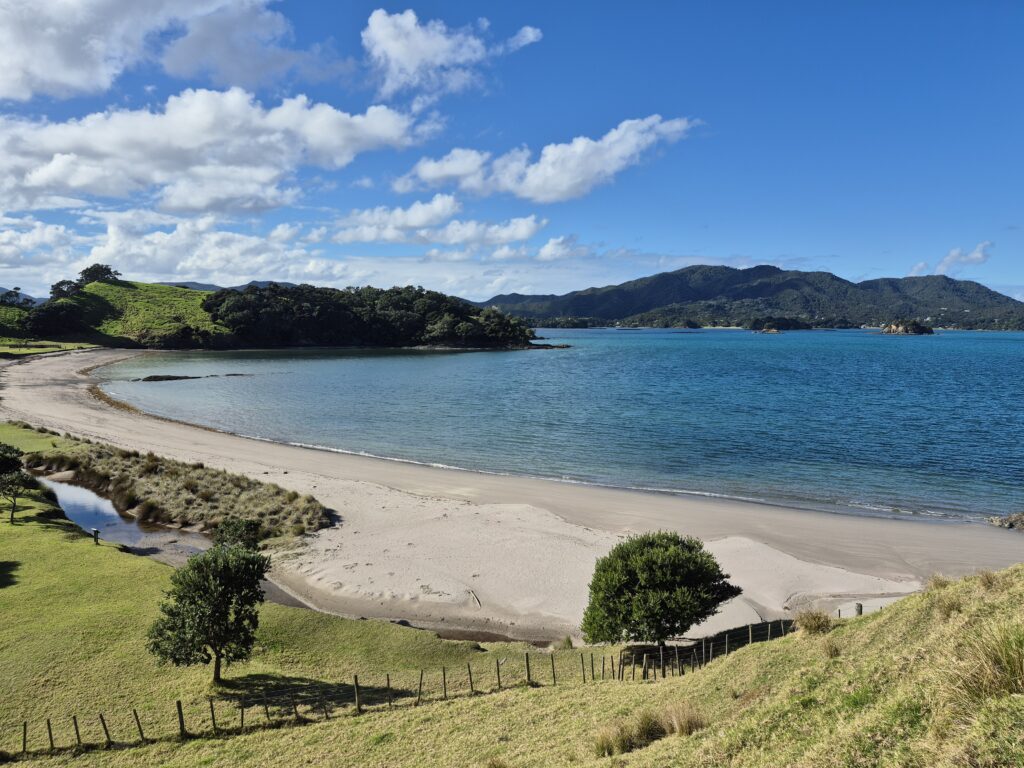
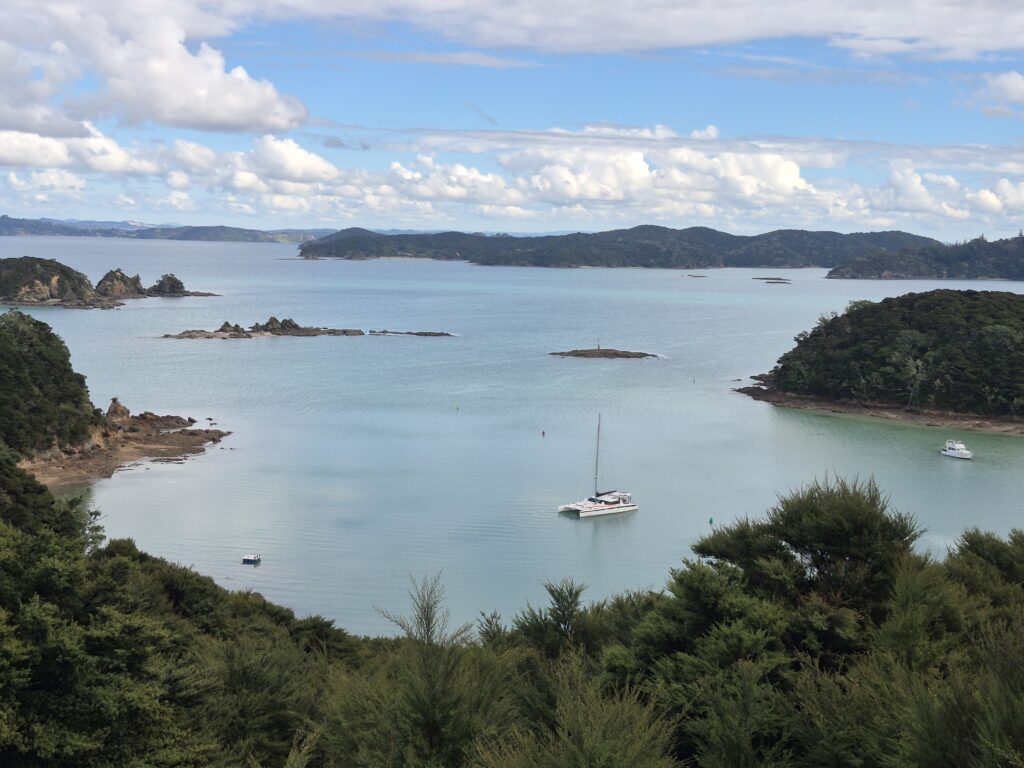
Many boat tours from Paihia to the Hole in the Rock stop at Urupukapuka Island for a bit. It covers 520 acres (208 hectares), which makes it the largest of 144 islands inside the Bay of Islands.

Urupukapuka Island has a mix of sandy beaches, walking trails, and farm areas. Besides, visitors are welcome to go swimming, snorkeling, rent a kayak or paddleboard (in peak season), visit ancient Maori Pa Sites, and enjoy scenic 360º views of the bay.

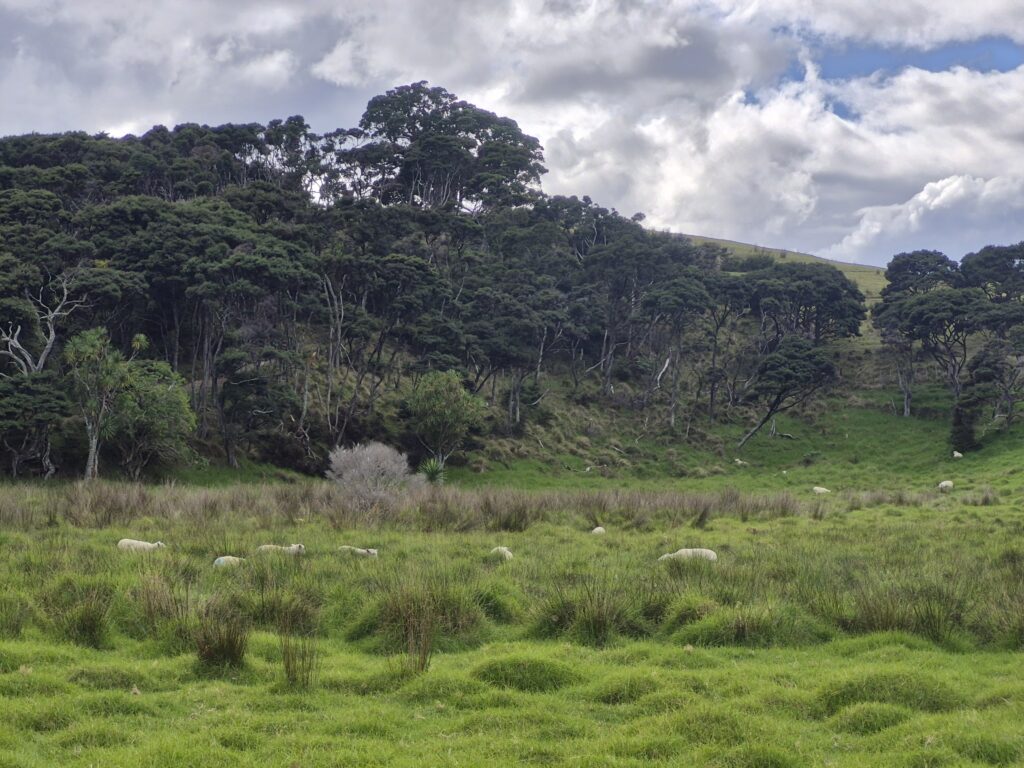
There’s also a good chance to see some sheep on Urupukapuka Island! In fact, same as in Ireland, more sheep than people live in New Zealand.

Urupukapuka Island has been protected as a recreational reserve since 1970 and is the only island in the Bay of Islands that’s open to the public.

Our vessel anchored at Otehei Bay, which offers beautiful views, as well as beachfront Otehei Bay Restaurant and The Providore’s Gallery and Gift Shop.

Take a Helicopter Tour of the Bay of Islands

A special experience in Paihia is booking a Helicopter Tour of the Bay of Islands! You’ll see the turquoise waters of the Bay of Islands and sandy beaches from a bird’s eye perspective, so it’s quite an upgrade from taking a boat tour!

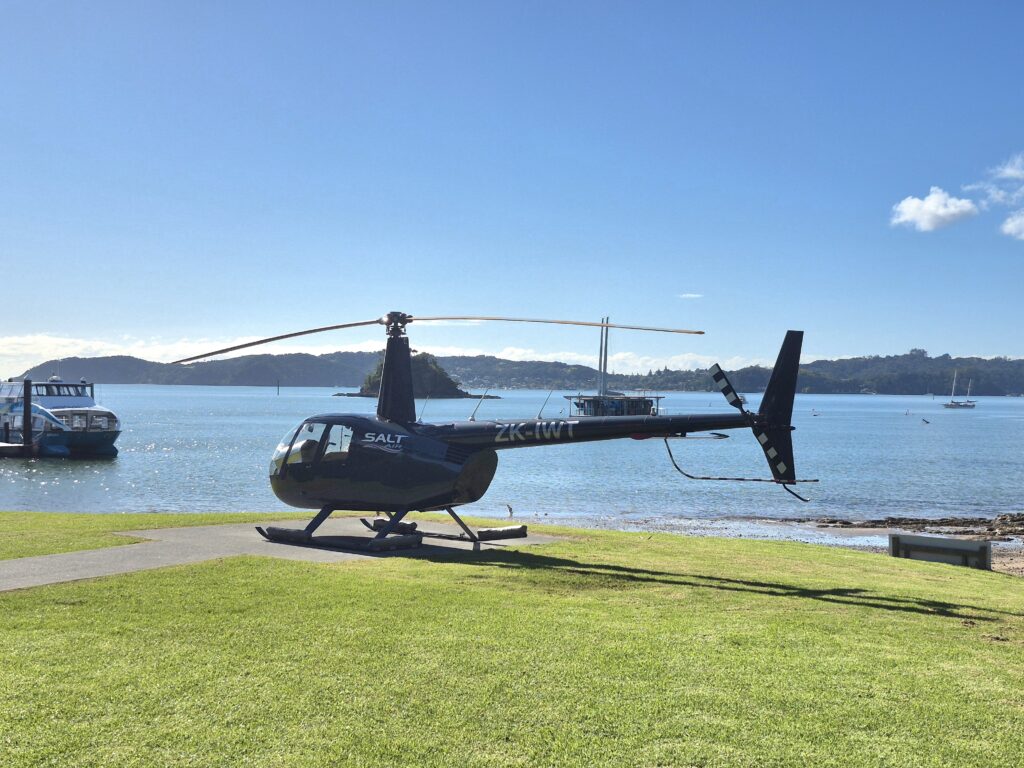
Salt Air offers scenic 20-minute helicopter flights from its beachfront landing pad in Paihia to the Hole in the Rock and back. Besides, visitors can enjoy views of the town of Russell, the main islands of the Bay of Islands, and Cape Brett Peninsula along the way. The cost is NZ$ 325 for the helicopter tour.

Or book their helicopter tour from Paihia to the Hole in the Rock with a stop on the Hole in the Rock (Motukokako)! Salt Air has an exclusive landing pad on top of the island.

Then the pilot or a local Maori guide will tell you about the island’s unique history and its cultural and ecological importance. Of course, there are awesome photo opportunities as well! This tour starts at NZ$ 445 for 35 minutes (15 minutes on the Hole in the Rock).

Wander around Paihia’s Town Centre

As a popular resort town, strolling around Paihia is a great way to spend an hour or two. For example, there are many nice shops and some items are made in New Zealand, like Manuka Honey beauty products, but also artwork, jewelry, clothing, and so much more!

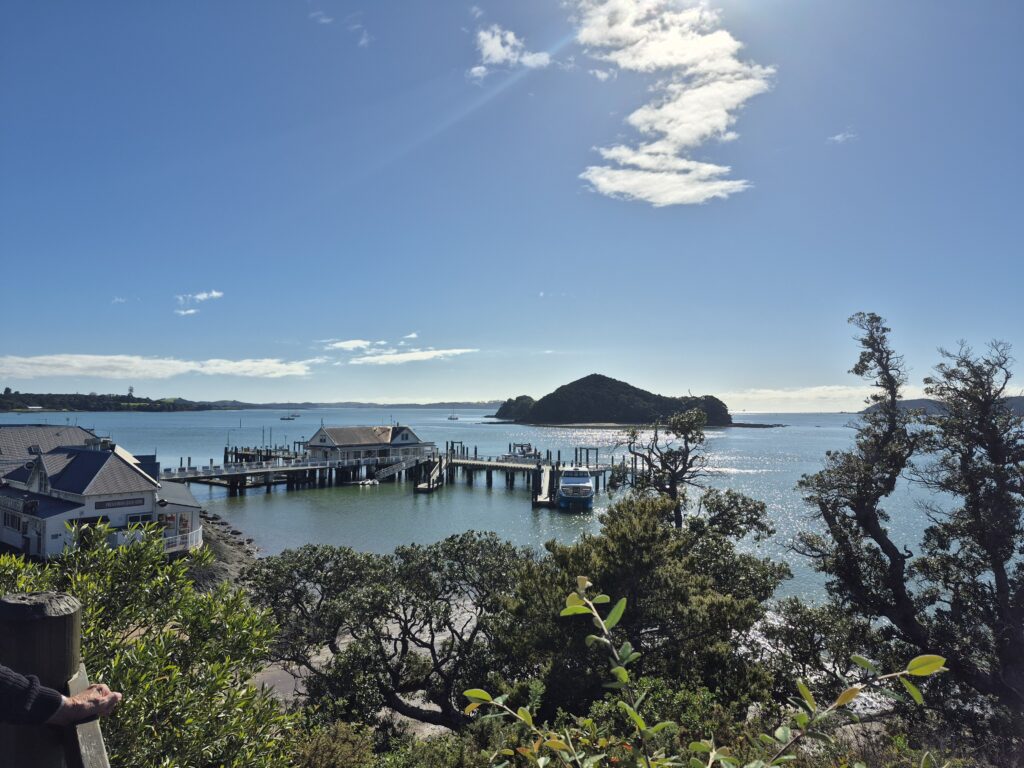
Another awesome spot to hang out is Paihia Wharf, where the boat tours depart from every day. I climbed up to Bay of Islands from Viewpoint to see the wharf from above!

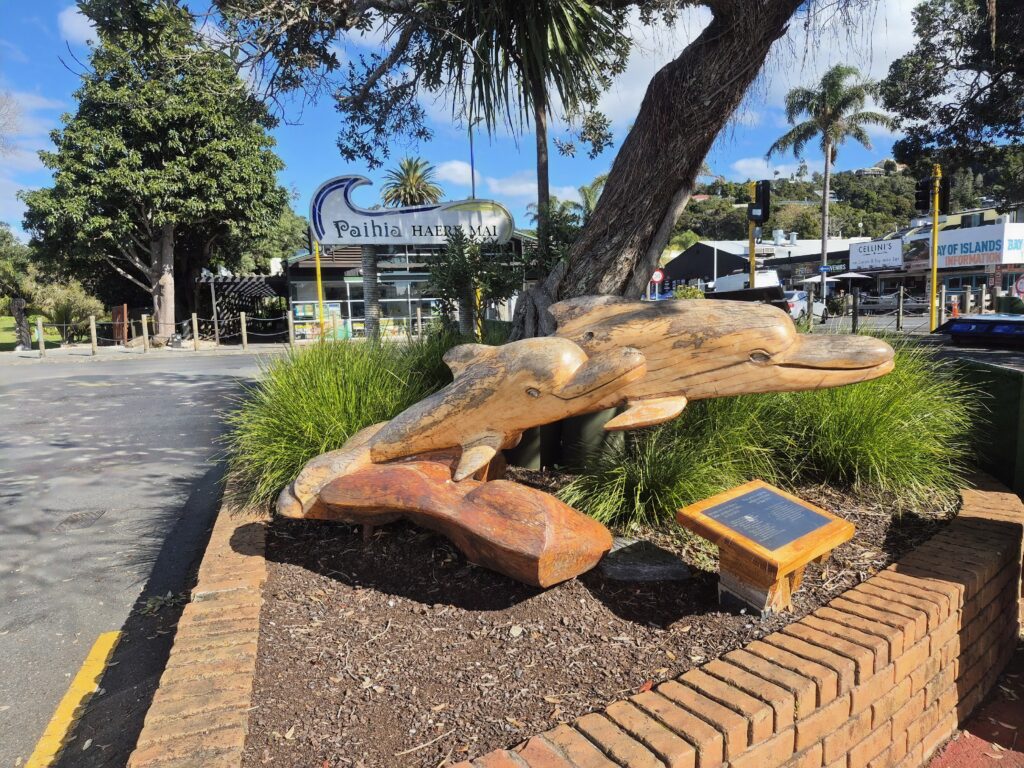
If you keep walking from the wharf, you’ll find yourself at Paihia Central Park, where a cool dolphin sculpture caught my eye!

If you need a break, there are tons of restaurants and nice cafés in Paihia’s town centre, especially on buzzing Williams Road. Besides, if you’re cooking your own meals, there’s a great selection of grocery stores here.

Finally, the Bay of Islands Farmers Market happens at Paihia’s Village Green Park in the town centre on Thursdays from 10 am to 1:30 pm (October to April).

Check out the Kawiti Glowworm Caves

Address: 49 Waiomio Road, Waiomio 0243, New Zealand

Another awesome attraction near Paihia are the Kawiti Glowworm Caves. It’s supposed to be one of best spots to see glowworms in New Zealand.
Kawiti Glowworm Caves are within the Waiomio Valley and thousands of luminous glowworms live on the ceiling and walls of the cavern.

Visitors get around the 200-meter deep caves via a wooden boardwalk. You’ll also learn about the glowing worms’ life cycle, habits, and their home. Besides, visitors can look at stunning rock formations and a lush rainforest area.

Inside Kawiti Glowworm Caves. Photo credit: Kawiti Glowworm Caves.

Kawiti Glowworm Caves are about 25 minutes outside of Paihia by car or you can book a Guided Tour from downtown Paihia and back with Get Your Guide. Unfortunately, no public buses go to Kawiti Glowworm Caves. Daytime and Twilight guided tours are available.

Visit Russell

Finally, the historic town of Russell is another awesome place to visit near Paihia. Russell is the oldest settlement in New Zealand and features many attractions for people eager to learn about New Zealand’s history.

For example, check out Christ Church, the oldest existing church in New Zealand. Besides, spending time at Russell Museum is great to learn about early Maori history in this area before the Europeans arrived. Their exhibit also displays how life changed after the Europeans started to settle here.

Russell used to be known as “The Hellhole of the Pacific”, because it was a shore leave spot for sailors, whalers, and traders in the 19th century.

Today Russell is a charming and welcoming town with tons of seaside shops, art galleries, cafés, and restaurants. It also features Long Beach, a popular swimming spot and Flagstaff Hill, that offers a breathtaking view of the Bay of Islands.

Russell is just a 15-minute ferry ride from Paihia Wharf. Return tickets are NZ$ 18 and ferries go every hour during the summer season (September to May). This is a passenger only ferry, but car ferries are available from nearby Opua (5 minutes to Russell).

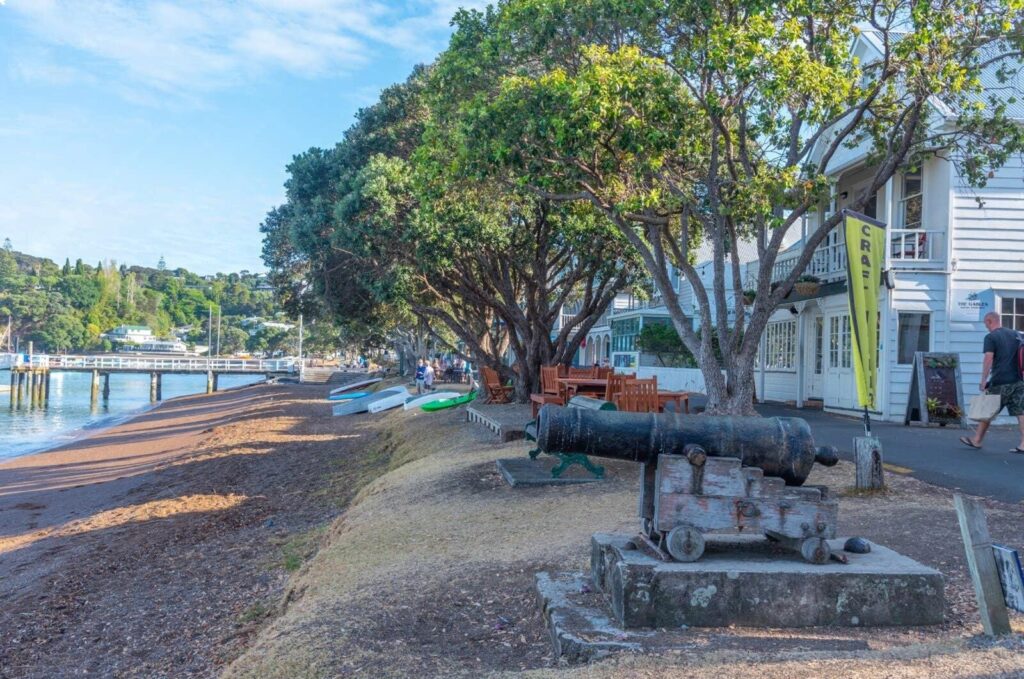
Russell’s waterfront area. Photo credit: Dudlajzov | Dreamstime.com

Where to Stay in Paihia

As a popular resort town, Paihia has a great selection of accommodations for any budget and travel style.

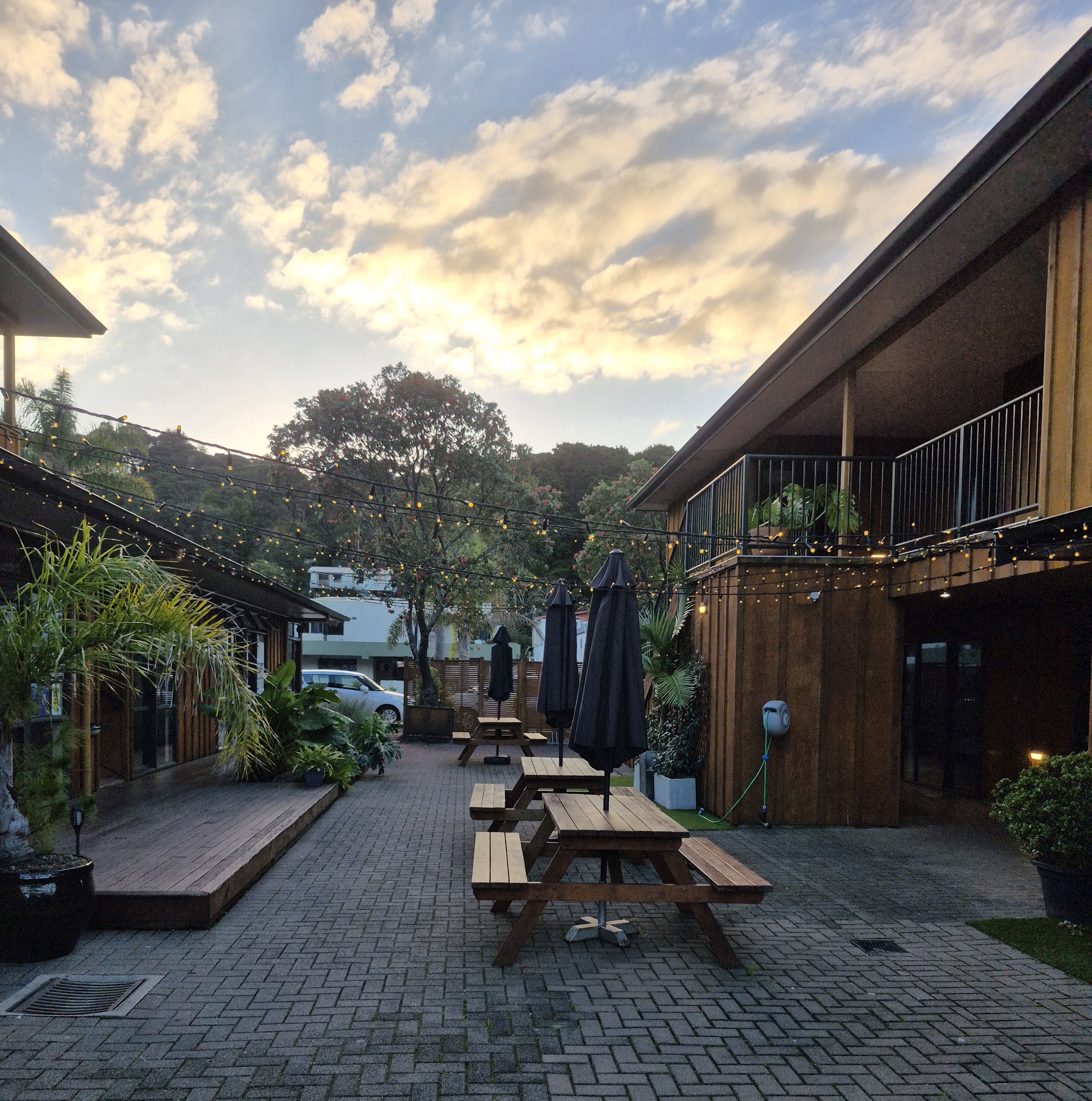
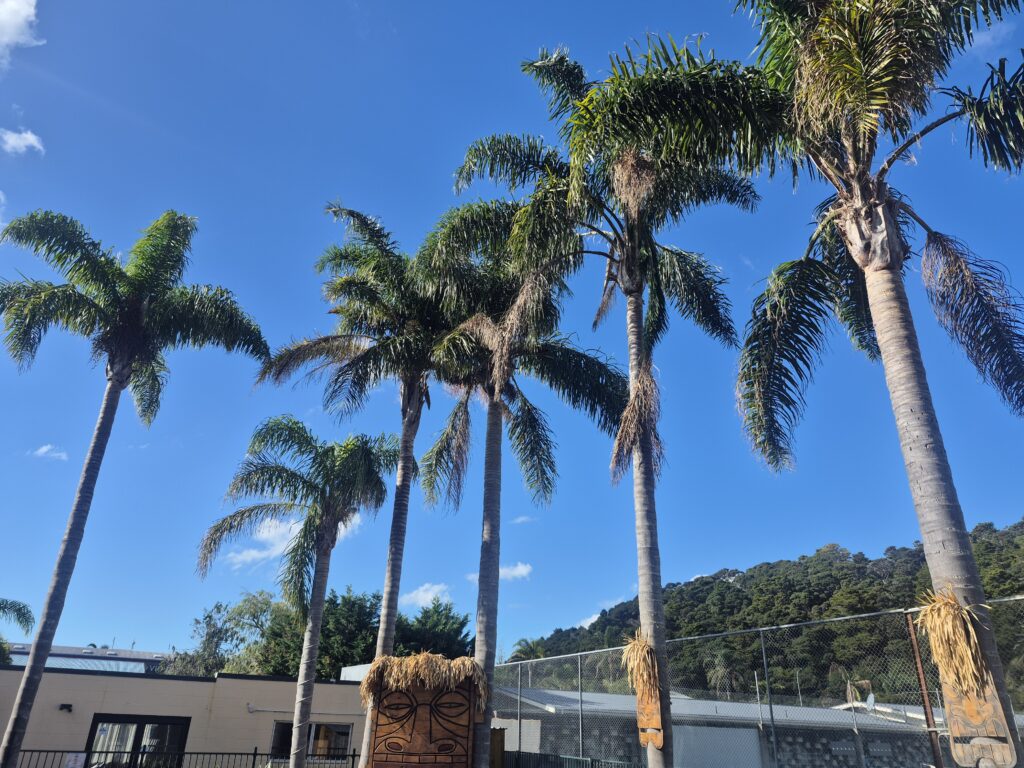
I stayed at Palm Tree Apartments & Backpackers, a nice hostel just a few minutes from Paihia’s town centre, Paihia Beach, and the InterCity bus stop. The rooms were clean and cozy, but I loved their terrace with palm trees and lights the most!

There’s also a pool for guests to use. The big kitchen and easy-going staff were just another bonus.

The Best Time to Visit Paihia

Thanks to its many cool things to do, the scenic town of Paihia tends to get very busy with tourists in the summer months (December to February). Also, this is when prices are at their highest.

So the best time to visit Paihia is in the shoulder season (October/November or March/April) instead. Temperatures are pleasant and you’ll be able to check out all of Paihia’s attractions as well.

When I was in Paihia in late May 2025, it was still warm and sunny, and pretty quiet, but the sun went down around 5 pm. So unfortunately, I couldn’t take advantage of all of Paihia’s outdoor activities, but I can’t wait to do those next time! 🙂

Conclusion: The 9 Best Things to Do in Paihia

The pretty town of Paihia is a great spot to spend a few days on your New Zealand trip. Whether you’re into activities in nature, learning about New Zealand’s history, hanging out by a beach, or being on the water, you surely won’t get bored here!

My favourite places were breathtaking Rainbow Falls and the Hole in the Rock. Hiking around Urupukapuka Island and visiting Waitangi Treaty Grounds, New Zealand’s birthplace, was amazing as well.

So I highly recommend that you add Paihia to your New Zealand itinerary! 😀

Traveling around New Zealand for a while? Then check out this post:

How to Spend 36 Hours in Rotorua Without a Car


HOW TO SPEND 36 HOURS IN ROTORUA WITHOUT A CAR

Rotorua is a city in the Bay of Plenty region on New Zealand’s North Island. It’s nestled along the southern shore of Lake Rotorua, the second largest lake on the North Island. Maori people first settled in this region in the 14th century and the first Europeans arrived in the early 19th century. 

Soon after, Rotorua was turned into a spa town thanks to its unique geothermal activity. Rotorua has been a tourist hot spot since the 1800’s. There’s a “rotten eggs” (hydrogen sulfide) smell lingering all over Rotorua, that’s why its nickname is the Sulphur City.

After hearing about Rotorua’s breathtaking attractions (e.g. geothermal mud pools and hot springs, fascinating Maori culture, stunning forest areas, and great shopping), stopping here on my New Zealand trip in May 2025 was a must!

While many tourists rent a car to get around New Zealand, spending 36 Hours in Rotorua Without a Car is totally possible.

Disclosure: I only recommend products that I’ve used in the past, and all opinions expressed in this post are my own. This post contains affiliate links. If you use one of the links throughout the page to buy something, I may earn a small commission at no extra cost to you. Thank you!

The Best Things to See and Do in Rotorua

Visit Whakarewarewa Forest

Address: 1 Long Mile Road/Titokorangi Drive, Whakarewarewa, Rotorua 3074, New Zealand

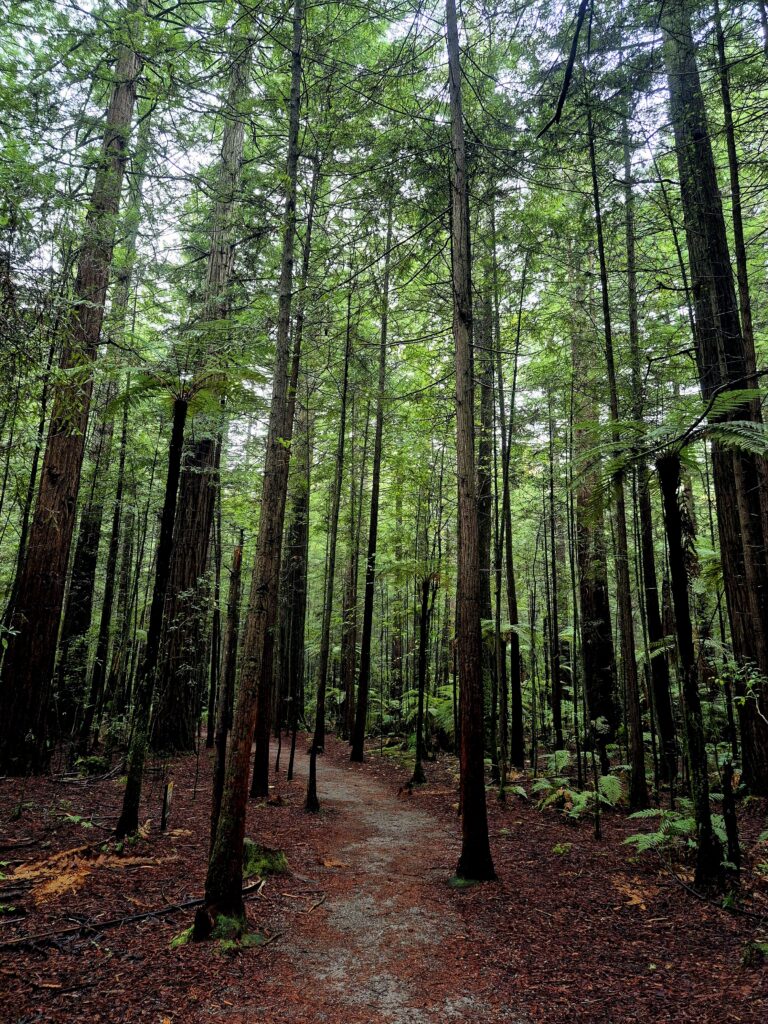
Many outdoor fans flock to New Zealand every year – and for good reason, as lots of its flora and fauna can only be found here! In Rotorua, one of the best examples for natural assets is Whakarewarewa Forest (aka The Redwoods, as the locals call it).

With more than 160 km (100 miles) of trails, this 5,600 hectare forest is a paradise for hikers, mountain bikers, horse riders, runners, and walkers of all ages and fitness levels. Walking trails range from 2 km to 11.5 km (1.2 to 7.1 miles) and some paths are stroller and wheelchair accessible in dry conditions.

Whakarewarewa Forest’s major attraction are the towering Californian Coastal Redwoods, which are more than 120 years old and up to 75 meters (246 ft) high!
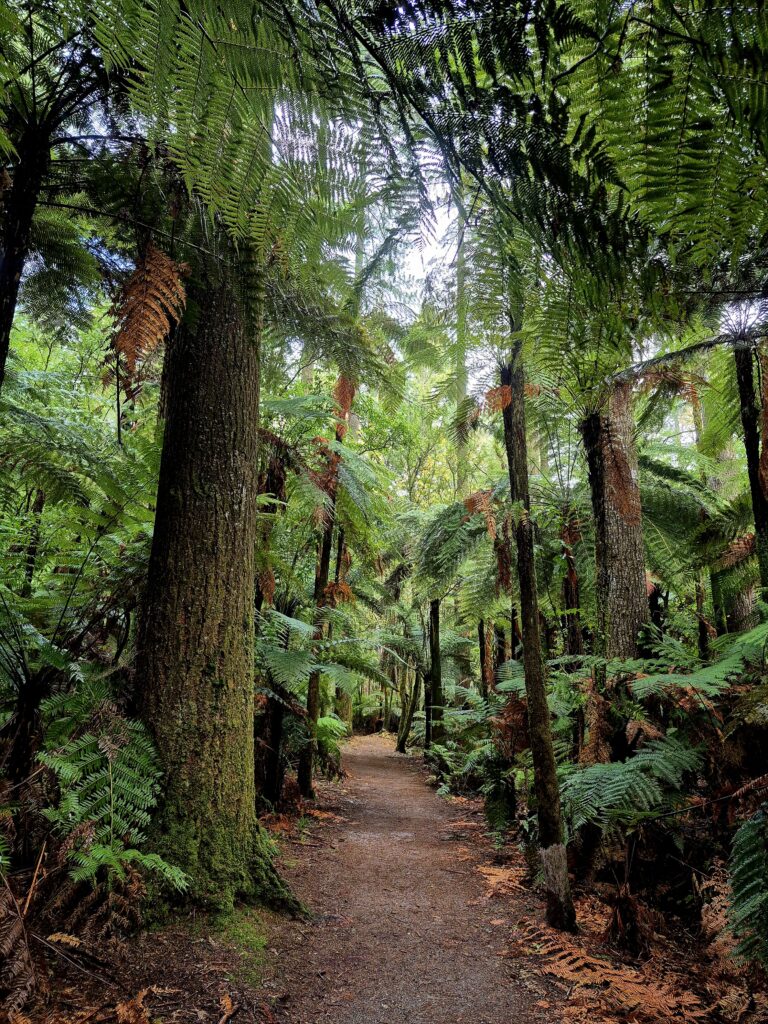
Other exotic and native plants growing here are Ferns, Radiata, Douglas Fir, Eucalyptus, and Larch trees. It’s completely free to walk or bike on these stunning trails. It was a bit drizzly during my visit, which created a rather mystic vibe, kind of similar to forests I’d visited in Japan!

Walking on Mokopuna Trail at Whakarewarewa Forest was so peaceful! 😀

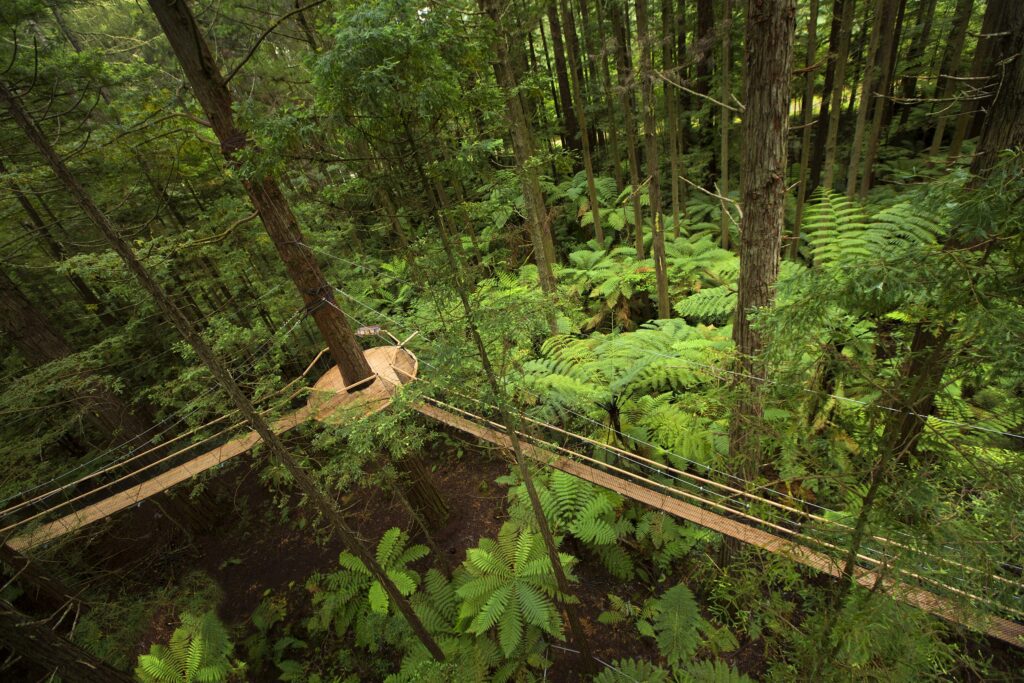
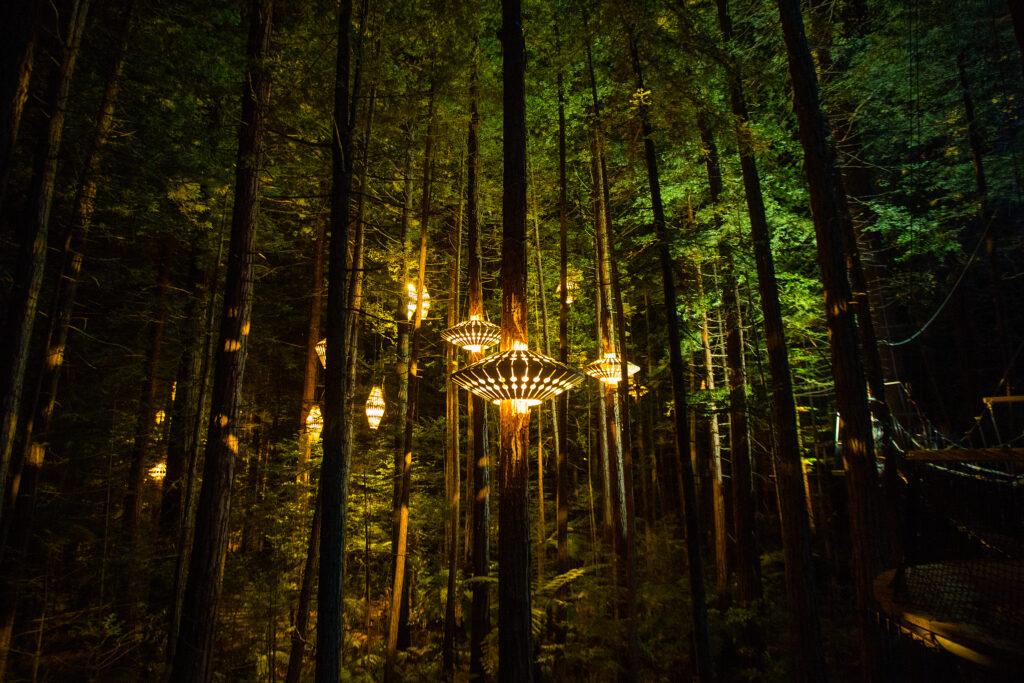
If you feel adventurous, consider adding the Redwoods Treewalk to your experience. This treetop path is 20 meters (65 ft) above ground and consists of 28 suspension bridges that are built around the Redwood trees. This way, you’ll see how tall these trees really are!

It usually takes 30 to 40 minutes to complete the Redwoods Treewalk. You can choose between the Daytime (NZ$ 42 pp) or Nightlights Treewalk (NZ$ 52 pp). Since this activity is very popular, it’s best to reserve online before your visit.

Redwoods Treewalk during the day and night. Photo credit for both: Redwoods Treewalk/Tourism NZ Visual Library.

For the ultimate thrill, look at Redwoods Altitude, a 2.5-hour guided experience up in the trees. It includes 25 jungle bridges, three flying foxes (ziplines), and two spirals, all at 25 meters/82 feet above the ground! It starts at NZ$ 125 per person.

It’s around 35 minutes from Rotorua’s city centre to Whakarewarewa Forest without a car (via local bus #3 and walking). If you’re driving, it only takes about 10 minutes to get here.

Explore Kuirau Park

Address: 1371 Pukuatua Street, Ranolf Street, Rotorua 3010, New Zealand

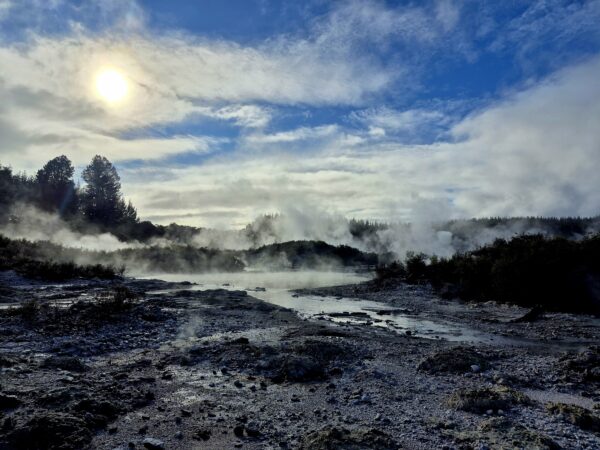
Just a short stroll from downtown Rotorua sits stunning Kuirau Park. It’s the only public park in New Zealand where you can see breathtaking geothermal activity (i.e. boiling, bubbling, and steaming in many spots) for free!

Kuirau Park has several paths that lead visitors to its crater lake, mud pools, hot springs, and a free thermal foot bath. The latter is a great way to relax for a bit while exploring Rotorua (just bring a towel)!

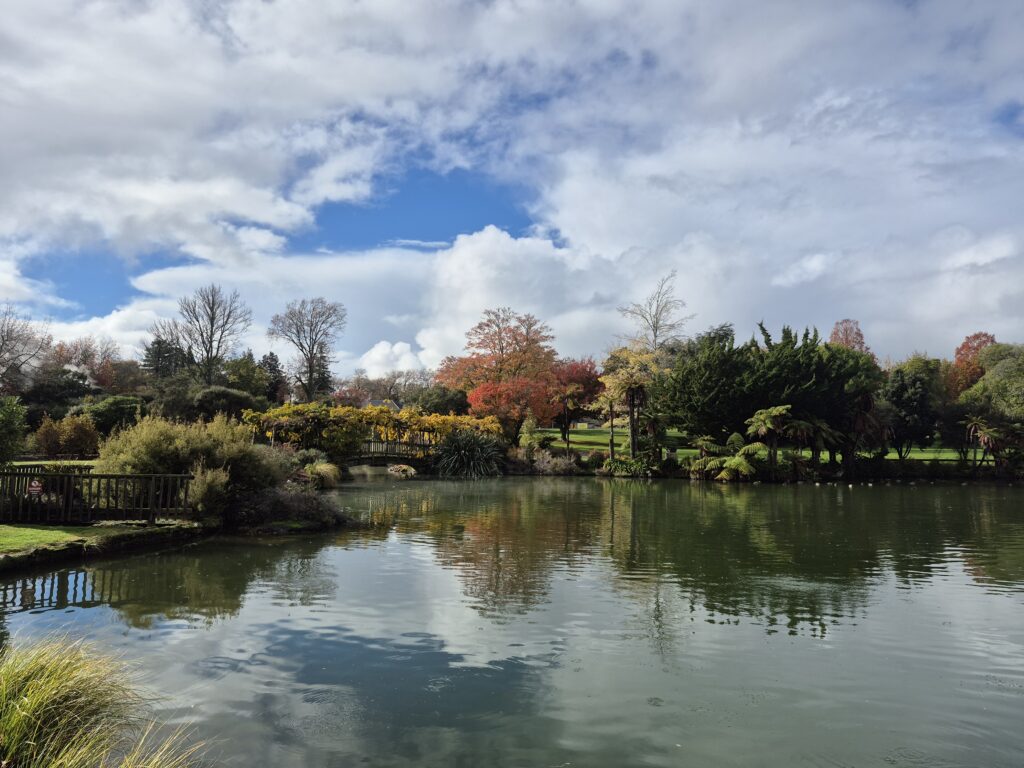
There are also flowerbeds, native plants, and lots of trees all over the park. I was lucky to visit Kuirau Park on a partial sunny day and the fall foliage was so pretty!

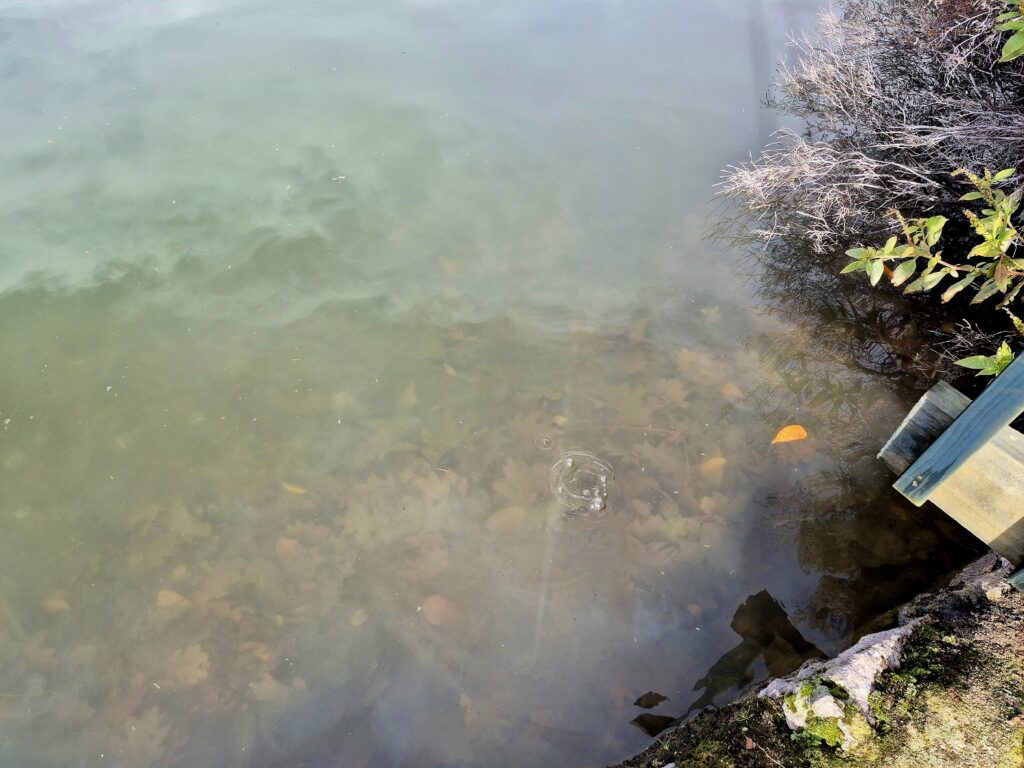
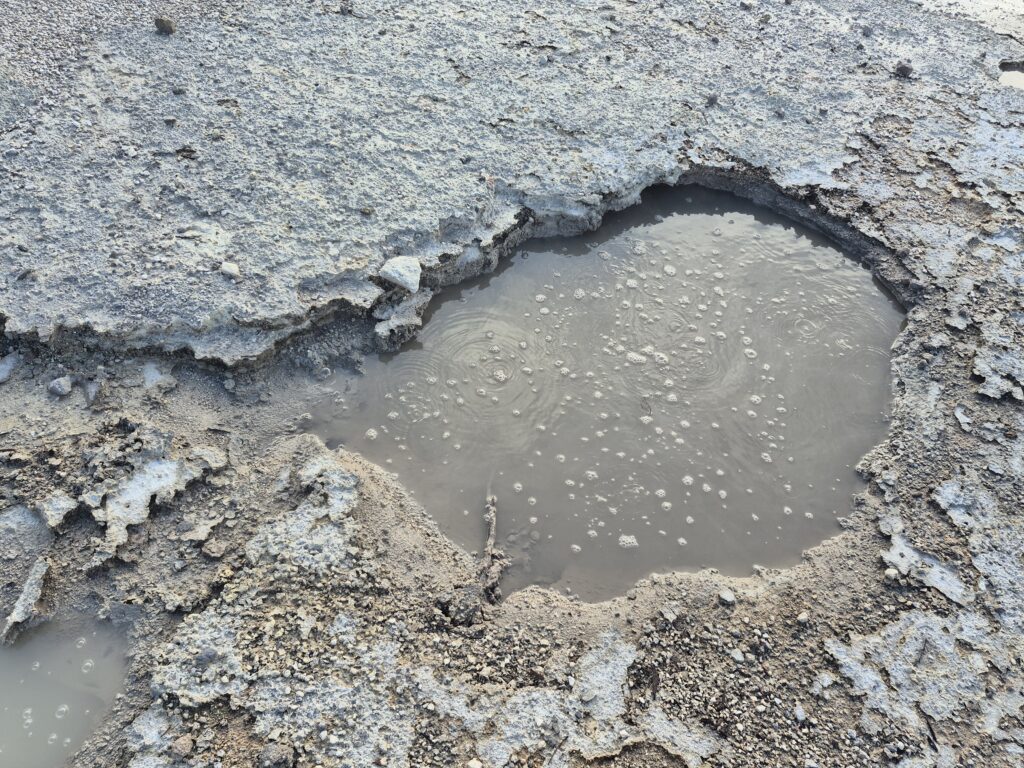
Watching tiny bubbles rising up to the mud pool surface at Kuirau Park was so much fun!

Kuirau Park is also popular with locals and visitors for having a barbeque or picnic, and there’s a playground, too.

Finally, if you’re in Rotorua on a Saturday, check out the Farmers Market at Kuirau Park for some local vendors and food trucks! It goes from 6 am to 1 pm every week.

Hell’s Gate Geothermal Reserve & Mud Spa

Address: 351 State Highway 30, Tikitere, Rotorua 3010, New Zealand

If you want to see more mud pools and geothermal activity, check out Hell’s Gate Geothermal Reserve & Mud Spa. Also known as Tikitere in the Maori language, this is the only Geothermal Reserve owned by indigenous people in the region. Besides, Hell’s Gate is New Zealand’s most active geothermal reserve.

This reserve originated about 10,000 years ago. Maori warriors started bathing in its mud pools about 800 years ago to heal wounds from their battles. Today everyone is welcome to soak in these baths, which are rich in nutrients and a great way to soothe inflammation or arthritis pain.

Tikitere first opened as a spa in 1871. Irish playwright George Bernard Shaw visited in 1934 and said “This could be the very Gates of Hell”, but he couldn’t be more wrong! Apparently, the Maori people thought this was funny, so they decided to call it Hell’s Gate in English.

Here are the experiences you can book at this unique place:

Hell’s Gate Geothermal Walk & Maori Carving session

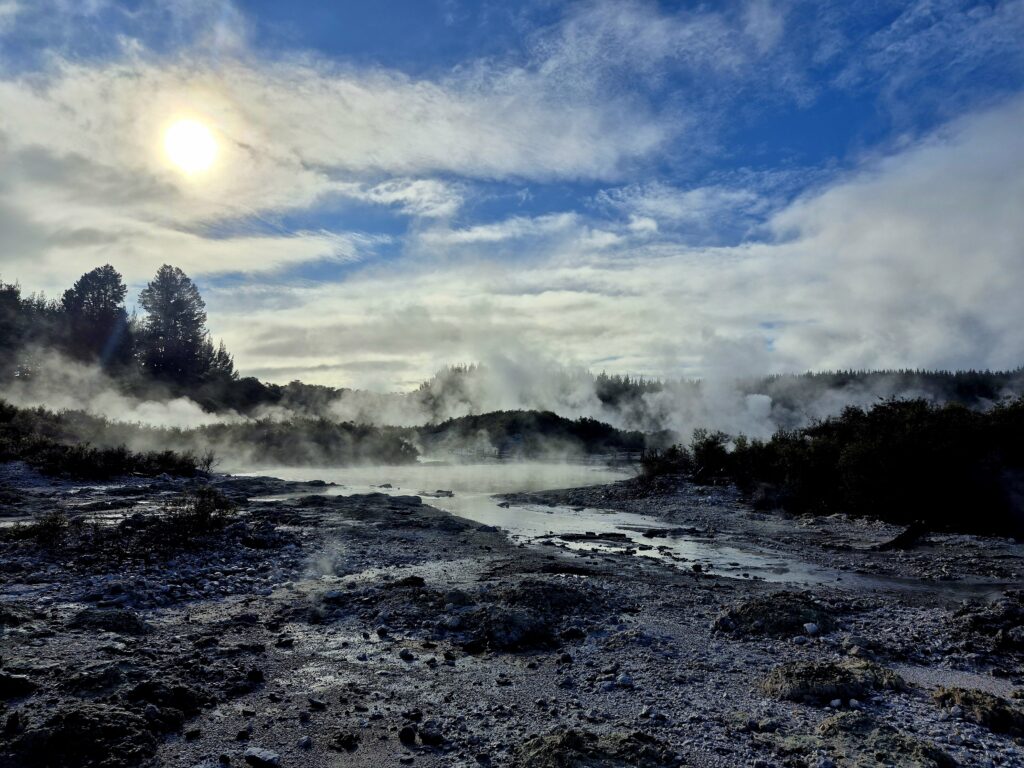
First, I recommend checking out the Geothermal Walk, which includes many bubbling mud pools, erupting waters, an active mud volcano, land coral, a short bush walk with native plans, and Kakahi Falls, the highest hot waterfall of the Southern Hemisphere!

Geothermal steam is rising up pretty much everywhere here and visitors can book a self guided or guided tour of this unique area. Self guided tours take 1 to 1.5 hours and guided tours take 1.5 to 2 hours.

Visitors must stay on the designated walking paths at all times.

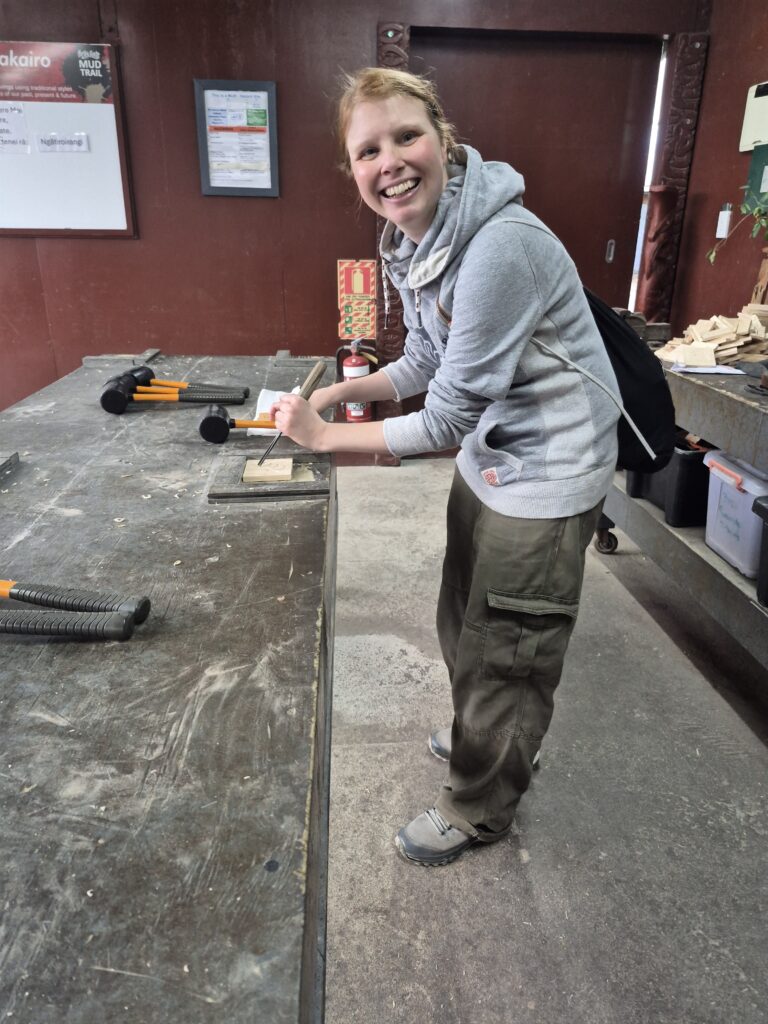
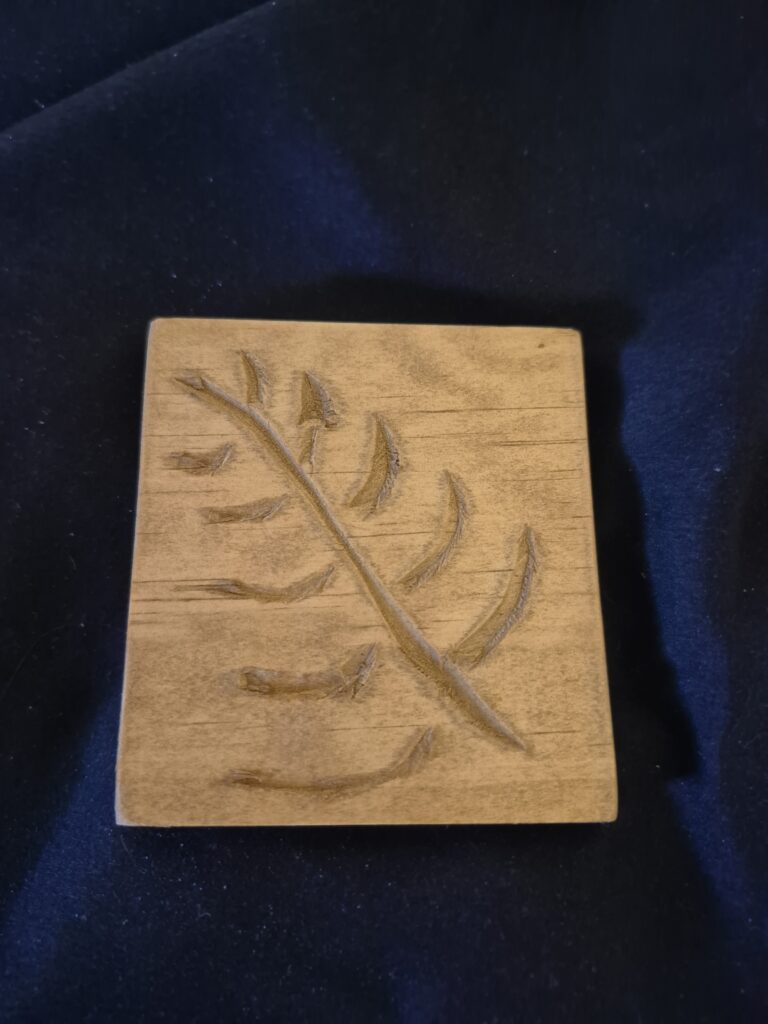
At the end of the Geothermal Walk, be sure to stop at the Carving House to try your luck at Whakairo (Maori wood carving)! There are several Maori carving patterns to choose from.

While wood carving is more difficult than it looks, it usually gets easier after practicing for a few minutes. In the end, visitors are allowed to take their carving home. What a special souvenir to bring back from New Zealand!

Hell’s Gate Mud Bath & Spa

After all this excitement, your body deserves to soak in the famous geothermal mud baths! Bathing and lathering your skin with mud water is a great way to help with inflammation and arthritis pain, but also to relax and chat with other visitors. Besides, your skin will feel super soft afterwards.

Mud bathing is only possible for twenty minutes for health and safety reasons, but you’re welcome to relax at Hell’s Gate Sulphur spa pool as long as you like. Also, if you dare, try out their Cold Plunge pool!

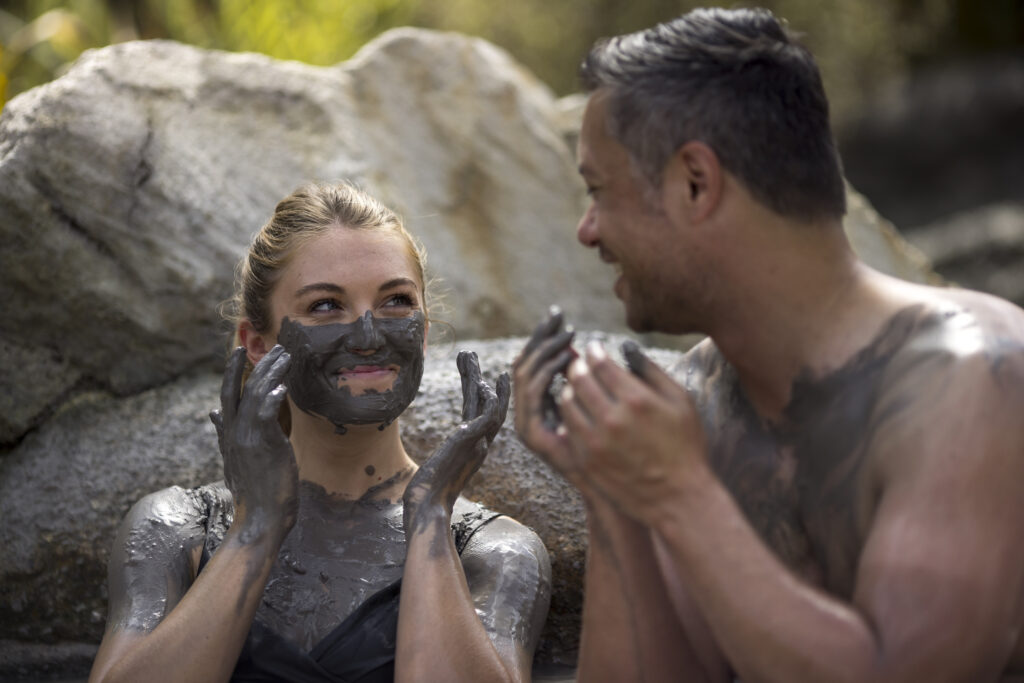
Mud baths at Hell’s Gate. Photo credit: Miles Holden/Tourism NZ Visual Library.

Finally, visitors can book the Hell’s Gate Twilight Spa Experience. This includes mud bathing, soaking in the Sulphur spa, and Cold Plunge pool under the stars, which sounds like a cool experience as well!

Visitors can wear their own swimsuit or rent or buy one at the reception. Towels are available as well.

Hell’s Gate Geothermal Reserve & Mud Spa is about 30 minutes outside of Rotorua. While no public buses go here, visitors without a car can take their free shuttle bus from downtown and return. This service has to be booked directly (or at the Isite Tourist Info in downtown) in advance.

While the Hell’s Gate Experience (Geothermal Walk, Mud baths, Sulphur bath, and Maori carving) is a bit pricey (115 NZ$ per person), it’s really worth it! This is a unique experience that surely you will never forget!

Rotorua Lakefront Boardwalk

Address: Lakefront Drive, Ohinemutu, Rotorua 3010, New Zealand

Another fun thing to do in Rotorua is going for a stroll or bike ride on the Lakefront Boardwalk. Located inside the War Memorial Park, this is an awesome opportunity to explore the outdoors along the shores of Lake Rotorua. It’s just a short walk from the city centre.

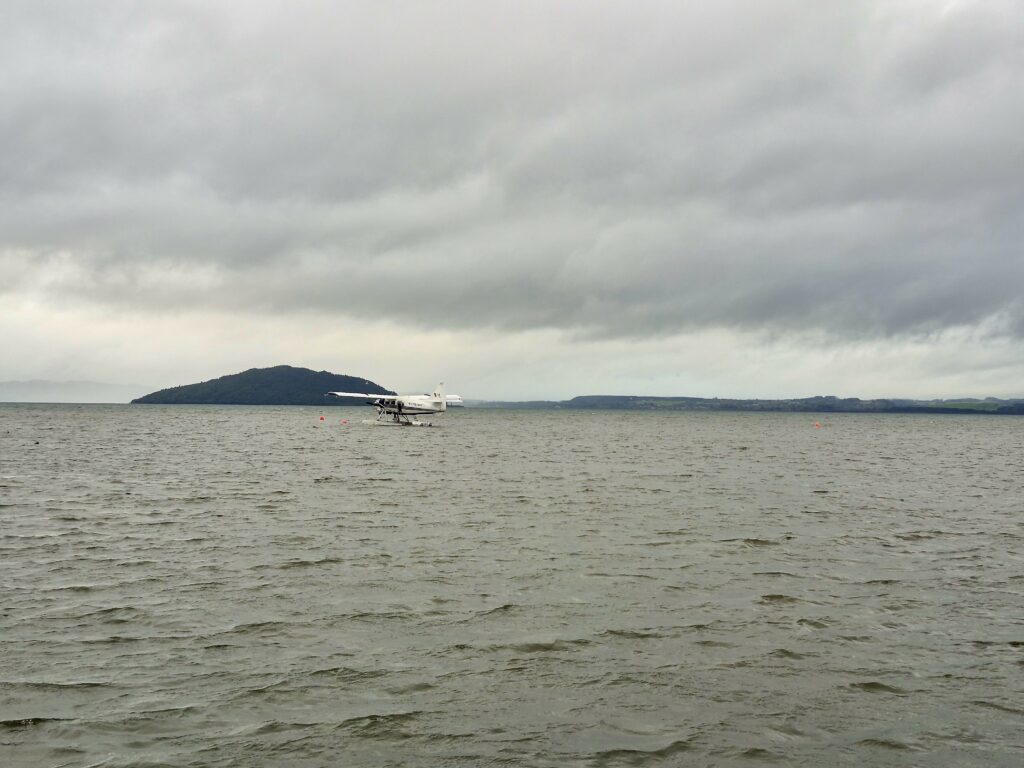
This area is a great spot to relax, admire the beautiful scenery, and watch out for local flora and fauna. There’s a playground and picnic area with barbeques, and Volcanic Air float plane tours start and land on the water as well.

By the way, the island behind the float plane above inside the lake is Mokoia Island. It is privately owned by local Maori people and is a bird sanctuary that can only be accessed by tour parties. The island is home to rare bird species, e.g. the North Island Brown Kiwi and the North Island Saddleback.

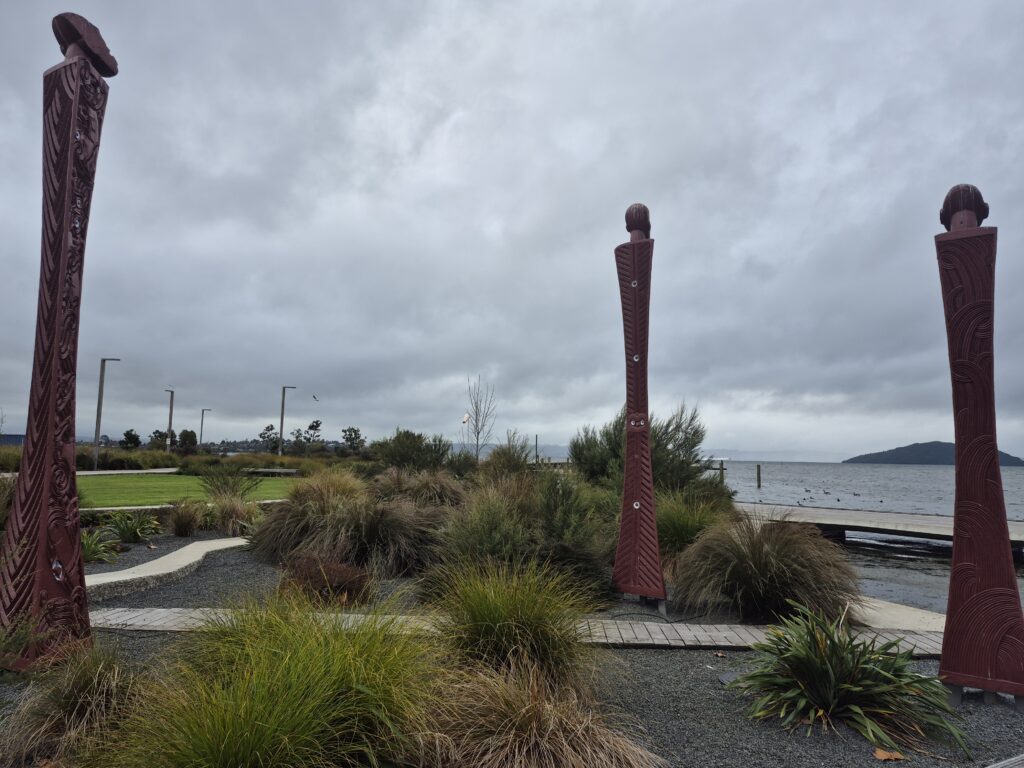
Adrenaline junkies can also book a 30-minute Katoa Jet Boat tour on Lake Rotorua, which starts and ends at Lakefront Boardwalk all year. Finally, you cannot miss the three Maori Pou Tumu (sculptures) on the boardwalk telling stories of local history.

Learn about Maori Culture & Traditions in Rotorua

Many Maori people live in the Rotorua area, so it’s the perfect place to learn about Maori culture and traditions.

Here are a few attraction ideas to find out more about Maori culture in and close to Rotorua:
Te Pa Tu

Address: 1072 State Highway 5, Tumunui 3073, New Zealand

Te Pa Tu is a recreated traditional Maori village about 20 minutes south of Rotorua. The village sits underneath an ancient 200-year-old native Tawa forest. It’s known as New Zealand’s most award-winning cultural attraction!

Te Pa Tu offers 3.5-to 4-hour evening experiences that change with each season of maramataka, the Maori lunar calendar. From May to September, visitors can join Tu Te Ihi (Winter Matariki Celebration) and Tu Te Ra (Summer Harvest Celebration) happens from October to April.

Here you can watch traditional Maori dance performances and rituals, listen to stories, witness a fire ceremony, play games, and taste Maori kai (cuisine) consisting of four courses! The Maori chefs slow-cook meat and veggies in an underground oven (the cooking method is called hangi).

Tū Te Ihi - Winter Matariki Celebration
This unique experience at Te Pa Tu starts at NZ$ 270 per person. If you don’t have a car, there’s a year round free shuttle taking guests from central Rotorua to Te Pa Tu and back.

Te Puia

Address: 20 Hemo Road, Whakarewarewa, Rotorua 3010, New Zealand

Te Puia is inside Whakarewarewa geothermal valley and is another awesome spot to learn about Maori history, culture, and traditions.

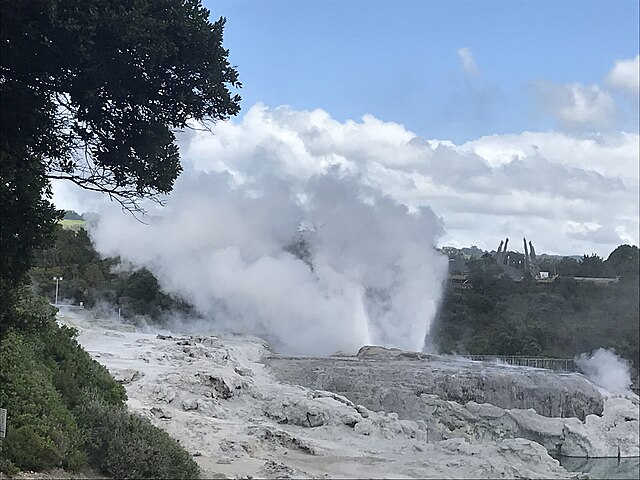
Entry is only allowed on a guided tour, which includes a 90-minute stroll through the geothermal valley, where you’ll see Pohutu Geyser (the largest active geyser in the Southern Hemisphere), the Kiwi Conservation Centre, and the New Zealand Maori Arts and Crafts Institute.
Pohutu Geysir. Photo credit: DestinationFearFan on Wikimedia Commons.
It’s also possible to add a cultural performance in their stunning carved meeting house. This add-on consists of a pohiri (traditional Maori welcome), waiata (song), moteatea (traditional chant), and haka (traditional war dance).
At night, guests can book a guided tour at Te Puia, traditional hangi buffet dinner, haka performance, and seeing Pohutu Geysir after dark! Finally, be sure to stop at the Oha Gift Store, Ahua Gallery, and Pataka Kai Restaurant & Bar.

There’s a winter deal until late September 2025, with admission starting at NZ$ 100 per person! Visitors in Rotorua without a car can take bus #11 from downtown to Te Puia (about 17 minutes). Bus service stops at 6 pm, but Uber and taxis are available to pick you up if needed.

Whakarewarewa – The Living Maori Village

Address: 17 Tryon Street, Whakarewarewa, Rotorua 3010, New Zealand

Whakarewarewa – The Living Maori Village is the legacy and home of the Tuhourangi Ngati Wahiao people, who have been telling their stories to visitors for more than 200 years. 

Here you can join Whaka Geothermal Walks with its mud pools and manuka bushlands, cultural performances (including haka), and learn about Maori history and myths. Visitors are welcome to rent E-bikes to explore the natural surroundings of Whakarewarewa as well.

Visitors without a car can hop on local bus #11 to get to Whakarewarewa village (about 19 minutes).

Check out Rotorua’s Shops & Street art in Downtown

Rotorua has a nice selection of souvenir shops in downtown. Some souvenirs are made in New Zealand, like Manuka Honey and Rotorua Thermal Mud Masks to use at home! Of course, you can also find New Zealand themed apparel, stickers, magnets, mugs, etc. here.

If you’re looking for good deals, be sure to visit some of the dollar stores or thrift stores in the city centre!

Last but not least, Rotorua’s city centre has some cool street art in random spots, if that’s your thing 😀

Where to Stay in Rotorua

As a touristy city, Rotorua has great accommodation options for every traveler’s budget.

I booked a private room at Stay Hostel Rotorua (1202a Pukuatua Street, 3010 Rotorua, New Zealand), a simple but very clean hostel in the city centre. They even upgraded me to a larger room with two bunk beds for myself, which I appreciated a lot!

Aside from that, there’s free wifi, laundry facilities, a spacious kitchen and lounge, and the staff was very friendly.

Where to Eat & Drink in Rotorua

Of course, there’s also a large variety of restaurants in Rotorua.

My favourite restaurant was Sweet as Rice (1205 Tutanekai Street, Rotorua 3010, New Zealand), a Vietnamese restaurant in downtown Rotorua. The inside of the restaurant was quite cozy and the staff was friendly and efficient. The price was not too bad, either.

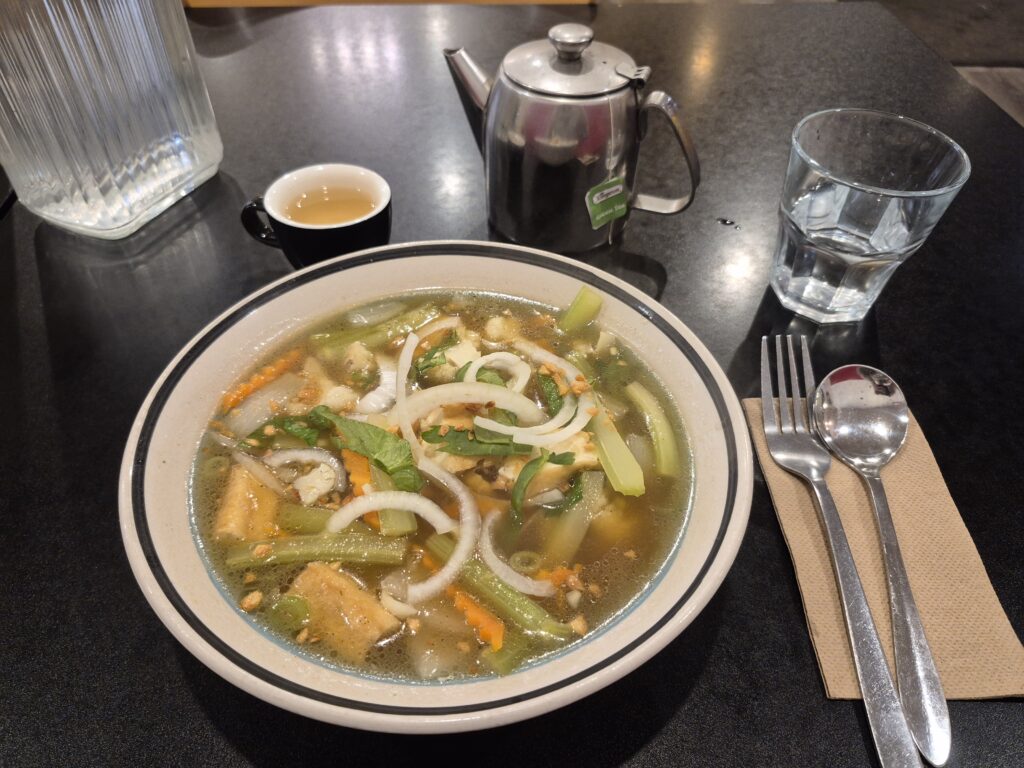
I tried their Vegetarian Pho and after eating all the healthy veggies and broth, the cold that’d been bugging me was pretty much gone the next day!

There are also tons of grocery stores in Rotorua if you prefer to cook your own meals. Pak’nSave and Woolworths were the best ones, in my opinion.

How to Get to Rotorua with Public Transit

Getting to Rotorua without a car is pretty easy. Many people (tourists and Kiwis alike) take InterCity Bus to get around the country. This bus company goes from larger cities on the North Island (like Auckland or Wellington) to Rotorua (and vice-versa) several times a day.

The buses are clean, comfortable, (mostly) on time, and there’s free wifi on board. The ticket cost was reasonable as well.

The Best Time to Visit Rotorua

Rotorua is known for its temperate oceanic climate, which means warm summers and mild winters. It’s best to visit Rotorua in the fall (March to mid-May) or spring (September to November), as the weather is mostly pleasant, with not too many crowds.

While summer (December to February) is perfect to visit for outdoor activities, these are the busiest months for tourism and the highest accommodation prices of the year.

The winter months (late May to August) are the wettest and coldest months in Rotorua, but this is the time with the fewest crowds and lowest accommodation prices.

When I visited Rotorua in late May 2025, there was a mix of partly sunny and rainy weather conditions. Temperatures were around 15C (59F) during the day, but it got colder at night and the sun set around 5 pm. So while I loved this trip, I’ll come back to Rotorua a few months earlier next time 😉

Conclusion: 36 Hours in Rotorua Without a Car

Whether you’re traveling around New Zealand with or without a car, stopping in Rotorua is a must. Only here, you can soak in mud pools at Hell’s Gate Mud Bath & Spa. Besides, be sure to admire beautiful nature at Whakarewarewa Forest and learn about the fascinating Maori culture and traditions.

Rotorua is not super spread out, so it’s quite easy to get around via public transit (often without transfers) or walking/riding a bike. While some attractions are outside of town, like Te Pa Tu Maori Village, there are free shuttles or Uber/taxis available from/to the city centre.

Besides, Rotorua has great accommodation and restaurant (or grocery store) options for every traveler’s budget. If you’re on the lookout for souvenirs, Rotorua shouldn’t disappoint you, either. So it’s a perfect spot to spend (at least) 36 Hours on your New Zealand trip!

Proudly powered by WordPress | Theme: Baskerville 2 by Anders Noren.

Up ↑